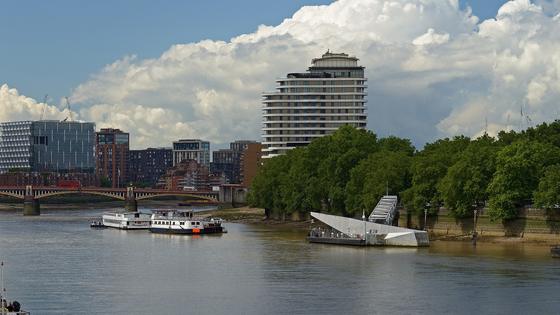
Buying a flat in a taller London building: qualifying leaseholders pay nothing for cladding repairs, other costs are capped, and the protection passes to the next buyer, GOV.UK guide
Under the Building Safety Act 2022, GOV.UK guidance says qualifying leaseholders in England are protected from all cladding repair costs, other safety repair bills are capped over 10 years, and the protections stay with the lease when the flat is sold.
Who is protected
GOV.UK says a lease is a qualifying lease if it is a long lease of a flat in a building above 11 metres or at least five storeys in England, the leaseholder is responsible for paying a service charge, and the lease was granted before 14 February 2022. On that date, the flat must also have been the leaseholder's only or main home, or the leaseholder must not have owned more than 3 dwellings in the United Kingdom in total. Homes outside England are not covered.
Cladding: nothing to pay
GOV.UK says that a qualifying leaseholder is always protected from all cladding system costs and will not be charged for fixing or replacing any unsafe cladding system. It also says that building owners who are, or are associated with, the developer must pay for historical safety repairs, and that developers must pay to fix buildings they had a role in developing or refurbishing, even where they no longer own the building.
Other repairs: capped over 10 years
For safety repairs other than cladding, GOV.UK sets a maximum a qualifying leaseholder can be charged over 10 years, by the property's value. That value is worked out from the price paid under GOV.UK's rules, with the position fixed on 14 February 2022, not from today's market price. In Greater London it is £0 below £325,000, £15,000 from £325,000 to £1 million, £50,000 from £1 million to £2 million, and £100,000 above £2 million. The most that can be charged in one year is one-tenth of the cap, and any amount paid since 28 June 2017 counts towards it.
Selling or buying: the protection stays with the lease
GOV.UK says the protections and caps are tied to the lease and automatically transfer to any future buyer. The leaseholder confirms the lease's status with a leaseholder deed of certificate, signed as a deed and witnessed by someone who is not a family member. When the landlord is told that a lease is to be sold, it must give a landlord's certificate within 4 weeks, and a landlord that does not provide a valid certificate cannot pass repair costs on to the leaseholder.
What Al Mithaq adds
From Kuwait we offer London homes from established developers. Whatever you buy, our team can help you list the questions for your solicitor, including the building safety certificates for a resale flat.
Sources
- GOV.UK: Building safety leaseholder protections, guidance for leaseholders
- GOV.UK: Qualifying date, qualifying lease and extent
- GOV.UK: Remediation costs, what leaseholders do and do not have to pay
- GOV.UK: Leaseholder contribution caps
- GOV.UK: Mandatory information required from leaseholders and current landlords
Homes we sell there
All our homes in the United Kingdom ›Related stories
All news ›
London flats: what a leaseholder can ask for on service charges, a summary and receipts, with a £250 consultation limit, on GOV.UK
Buying a home in England: an offer is not legally binding until contracts are exchanged, says GOV.UK