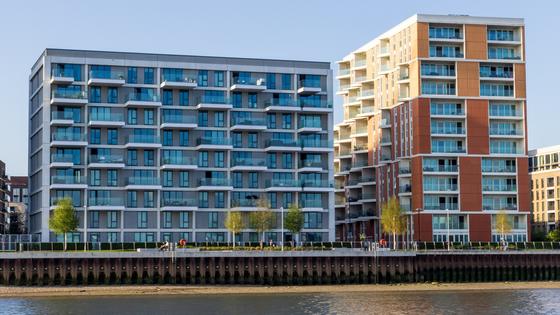
London flats: qualifying owners of at least half the flats can buy their building's freehold together and extend their leases to 999 years, Leasehold Advisory Service says
GOV.UK says owners of leasehold flats in England can ask to buy the freehold of their building at any time, and the Leasehold Advisory Service explains the legal right to buy it together, called collective enfranchisement, and the right of first refusal when a landlord sells.
What GOV.UK says
GOV.UK says you can ask the landlord to sell you the freehold at any time, and that the legal steps depend on whether your home is a flat or a house: for a flat, you need to buy a share of the freehold. It adds that landlords who want to sell the freehold of a building containing flats usually have to offer the leaseholders the first chance to buy it, known as the right of first refusal. For problems with how a building is run, GOV.UK also describes the Right to Manage, which lets leaseholders take over certain management responsibilities from the landlord without having to prove bad management.
Who can buy together
The Leasehold Advisory Service, which GOV.UK links to for advice, says a qualifying leaseholder must have a residential lease, own no more than 2 flats in the building, and have a long lease, meaning one granted for more than 21 years. Qualifying leaseholders of at least half the total number of flats must take part; if there are only 2 flats, both must. The building must contain at least 2 flats, at least two-thirds of the flats must be owned by qualifying leaseholders, at least 75% of its floor space must be residential, and it must be a self-contained building. Some buildings are exempt, including a building converted into 4 or fewer flats where the landlord has owned it since before the conversion and the landlord, or their spouse, civil partner or a direct adult family member, has lived in one of the flats as their main home for the past 12 months.
The price and the benefits
The Leasehold Advisory Service says the price must reflect the open market value of the freehold, worked out with formulas set in law, and that a professional valuer is strongly recommended. Marriage value is added only for leases with 80 years or less left, and half of that extra value goes to the freeholder. Each leaseholder pays a share of the freehold price and of the valuation and solicitors' costs, plus the landlord's reasonable costs. In return, the owners can run the building themselves or through an agent, and extend their leases to 999 years, which the service says increases the value of the flats and makes it easier for buyers to get mortgages. The service adds that, under planned leasehold reforms, the government intends to abolish marriage value and to lower the residential floor space requirement from 75% to 50%, so it may be worth asking your valuer or solicitor whether to wait.
When the landlord sells: first refusal
Under the Landlord and Tenant Act 1987, the Leasehold Advisory Service says a landlord who wants to sell its interest in a building containing flats usually has to offer it to the leaseholders first. The landlord sets the price and terms; if the leaseholders do not accept, the landlord can sell to someone else, but not for less money or on different terms for at least 12 months. To accept, more than half of the qualifying leaseholders in the building must accept together, usually through a company they set up. The building must contain at least 2 flats, at least 50% of its internal floor area must be residential, and more than 50% of the flats must be held by qualifying tenants.
What Al Mithaq adds
From Kuwait we offer London homes from established developers. Whatever you buy, our team can help you list the questions for your solicitor, including the length of the lease and who owns the freehold of the building.
Sources
- GOV.UK: Leasehold property, Buying the freehold
- GOV.UK: Leasehold property, Right to Manage and management disputes
- Leasehold Advisory Service: Buying a share of the freehold for your flat, eligibility criteria (updated 20 December 2025)
- Leasehold Advisory Service: Is collective enfranchisement right for you? (updated 20 December 2025)
- Leasehold Advisory Service: Freehold valuation for flats (updated 20 December 2025)
- Leasehold Advisory Service: Right of first refusal (updated 17 December 2025)
- Leasehold Advisory Service: Right of first refusal, qualifying criteria (updated 17 December 2025)
Homes we sell there
All our homes in the United Kingdom ›Related stories
All news ›
Buying a flat in London: you can now ask to extend the lease straight after you buy, as England's two-year waiting rule ended on 31 January 2025
London flats: what a leaseholder can ask for on service charges, a summary and receipts, with a £250 consultation limit, on GOV.UK