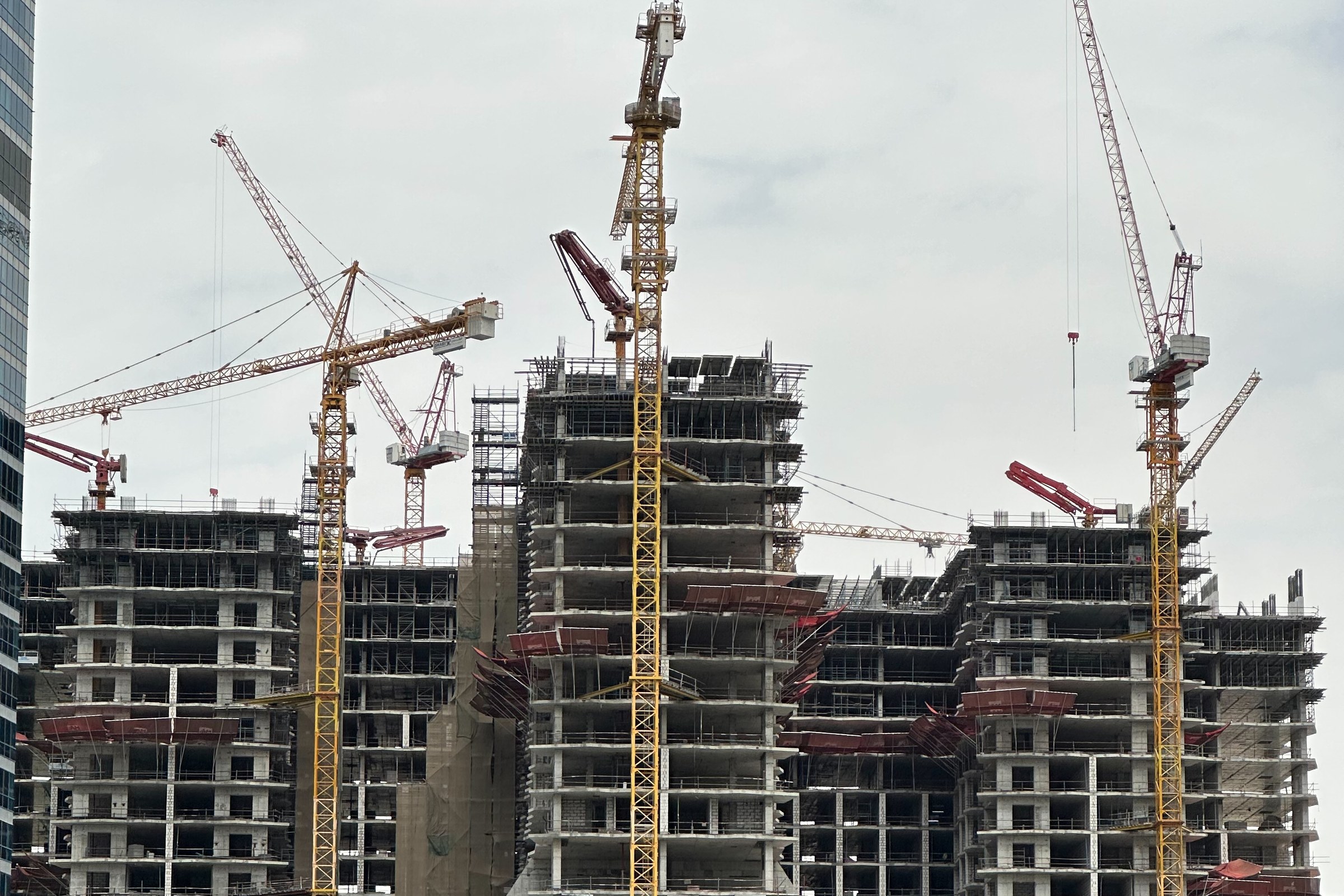
Guide: who can own property where in Dubai. Law No. 7 of 2006 gives Kuwaiti and other GCC citizens the right to own anywhere in the emirate; other foreigners buy in freehold areas
Dubai's Law No. 7 of 2006 on real property registration limits the right to own property in the emirate to UAE nationals, nationals of the Gulf Cooperation Council states, companies wholly owned by them, and public joint stock companies. Other foreigners may own freehold, or hold usufruct or a lease of up to 99 years, only in areas set by the Ruler, first listed plot by plot in Regulation No. 3 of 2006 and widened by later resolutions.
Who may own anywhere
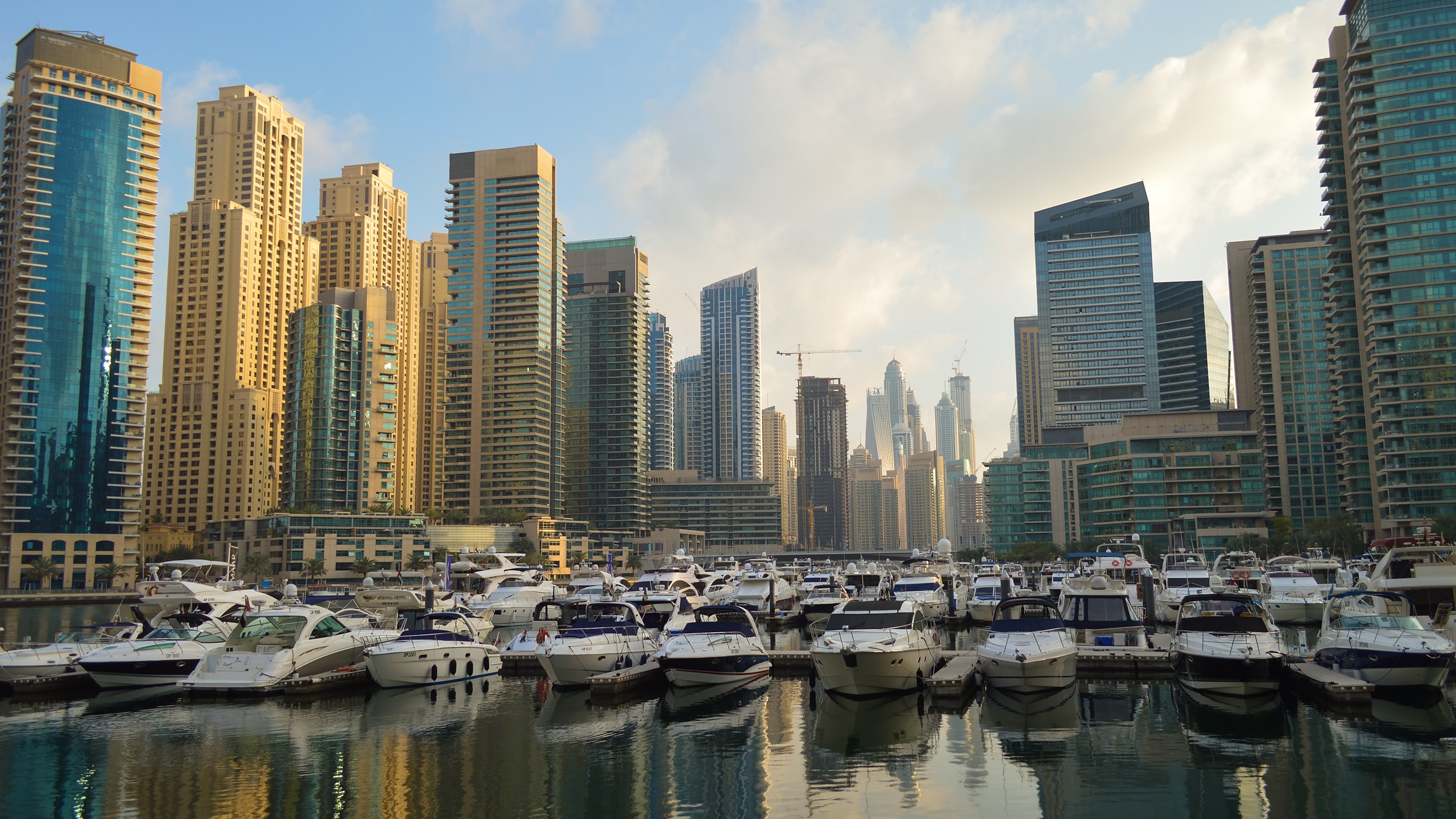
Article 4 of Law No. 7 of 2006 Concerning Real Property Registration in the Emirate of Dubai, issued by His Highness Sheikh Mohammed bin Rashid Al Maktoum on 13 March 2006, restricts the right to own real property in the emirate to UAE nationals, nationals of the Gulf Cooperation Council member states, companies fully owned by them, and public joint stock companies. The article sets no area limit for these groups. A citizen of Kuwait, a GCC member state, is therefore in the same group as a UAE national, and so is a company wholly owned by Kuwaiti citizens. Any conditions or restrictions that apply to a particular property are written in its record in the Property Register (Article 24), so the plot's own record still needs checking.
Where other foreigners may own
The same article allows non-UAE nationals, with the Ruler's approval and in areas he determines, to hold freehold ownership without time limit, or usufruct or a lease for up to 99 years. Regulation No. 3 of 2006, issued on 7 June 2006, first named those areas plot by plot as shown on the Land Department's maps. Its original list of 23 areas includes Dubai Marina, Palm Jumeirah, Palm Jebel Ali, Emirates Hills, The World Islands, Al Barsha South, Jebel Ali, Al Jaddaf, Ras Al Khor, Mirdif, Nad Al Sheba and Warsan 1. The list has grown since: Regulation No. 1 of 2010 upgraded Nad Al Sheba plot 224, which the 2006 regulation had opened only to usufruct or a lease of up to 99 years, to freehold ownership, and later resolutions of the Ruler, such as Resolution No. 8 of 2016 (Madinat Al Mataar) and Resolution No. 6 of 2022 (Zabeel First), added more plots. The Land Department confirms what is allowed on any given plot.
Why the register matters
Law No. 7 of 2006 makes the Land Department the only body that registers property rights in Dubai. Every transaction that creates, transfers, changes or ends a property right must be recorded in the Property Register, and it does not take effect until it is (Article 9, as replaced by Law No. 7 of 2019). The register has absolute evidentiary value against everyone, and can only be challenged for fraud or forgery (Article 7), and the title deeds the department issues have the same absolute value (Article 24). An apartment building is one unit in the register, with the owners of each flat, floor and the common areas recorded under it (Article 23). When an owner dies, a certificate of inheritance is registered in the Property Register, and any heir's sale of the property counts against others only once it too is registered (Article 11). Any agreement made to get around the law is void (Article 26).
What Al Mithaq adds
In Dubai we represent Emaar's communities, including Dubai Creek Harbour and Dubai Hills Estate; our Emaar Dubai page lists them. Also read our guides to Dubai and Abu Dhabi registration fees, to who can own where in Abu Dhabi, and to Dubai's escrow law for off-plan homes. Tell our team in Kuwait whether you are buying in your own name or through a company, and we will check the plot's status with the developer and the Land Department before you reserve.
Sources
- Dubai Legislation Portal (Supreme Legislation Committee): Law No. (7) of 2006 Concerning Real Property Registration in the Emirate of Dubai, issued 13 March 2006, English text opened 2 November 2026
- Dubai Legislation Portal: Law No. (7) of 2019 Amending Law No. (7) of 2006 (new Article 9), issued 4 September 2019, opened 2 November 2026
- Dubai Legislation Portal (Supreme Legislation Committee): Regulation No. (3) of 2006 Determining Areas for Ownership by Non-UAE Nationals of Real Property in the Emirate of Dubai, issued 7 June 2006, opened 2 November 2026
- Dubai Legislation Portal: Regulation No. (1) of 2010 Amending Regulation No. (3) of 2006 (Nad Al Sheba plot 224 opened to freehold), issued 18 March 2010
- Dubai Legislation Portal: Resolution No. (8) of 2016 adding land in Madinat Al Mataar to the areas for ownership by non-UAE nationals, issued 9 June 2016
- Dubai Legislation Portal: Resolution No. (6) of 2022 adding land in Zabeel First to the areas for ownership by non-UAE nationals, issued 28 February 2022
- Al Mithaq, Emaar Dubai project page
Homes we sell there
All our homes in the UAE ›Related stories
All news ›
Abu Dhabi ownership law: nationals and their equivalents can own outside the investment areas too, other foreigners get full rights inside investment areas, and ADREC counted 50 such areas in the first half of 2026
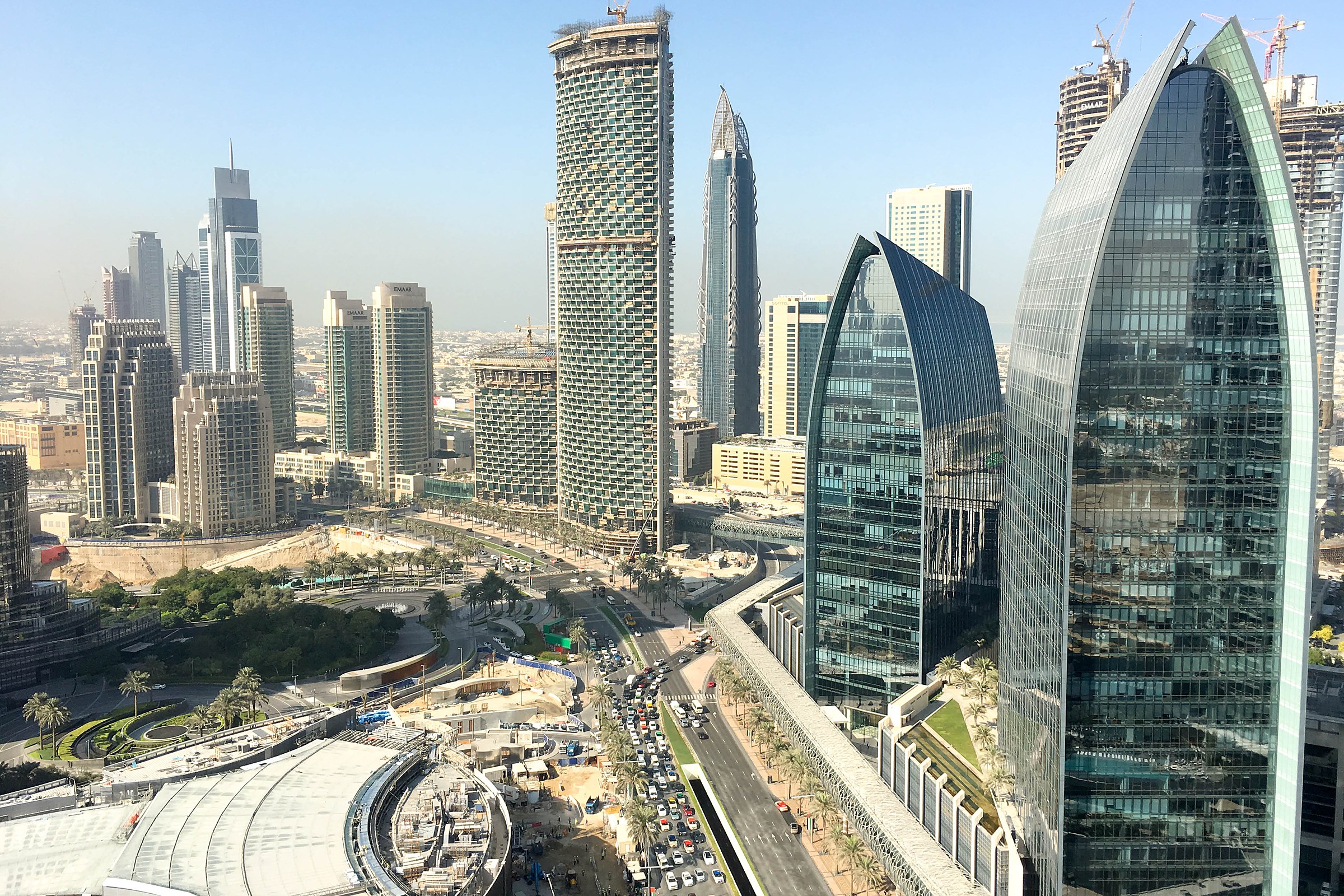
Dubai Land Department lists a 4% sale registration fee, Abu Dhabi's DARI 2%: a worked example on an AED 2 million home