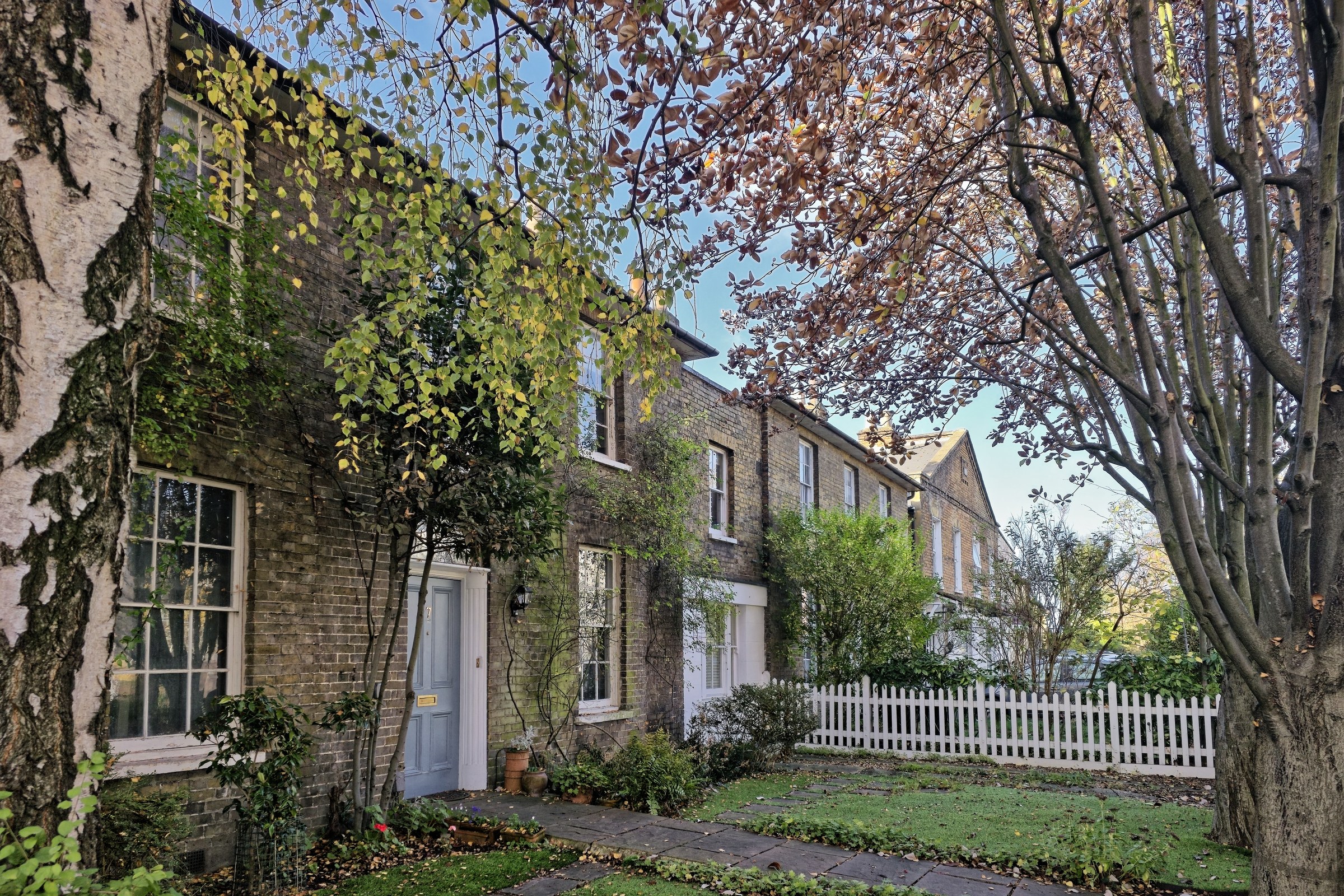
Renting out a London home while living in Kuwait: how HMRC's Non-Resident Landlord Scheme takes 20% basic-rate tax from the rent
If you live abroad for six months or more a year, HM Revenue and Customs (HMRC) classes you as a non-resident landlord. Your letting agent, or a tenant who pays more than £100 a week, must take basic-rate Income Tax, 20% in the 2026 to 2027 tax year, off the net rent and pay it to HMRC every quarter, unless HMRC has told them in writing to pay you in full. Either way the rent goes on a UK Self Assessment return unless HMRC tells you not to, and if you later sell, the sale must be reported to HMRC within 60 days.
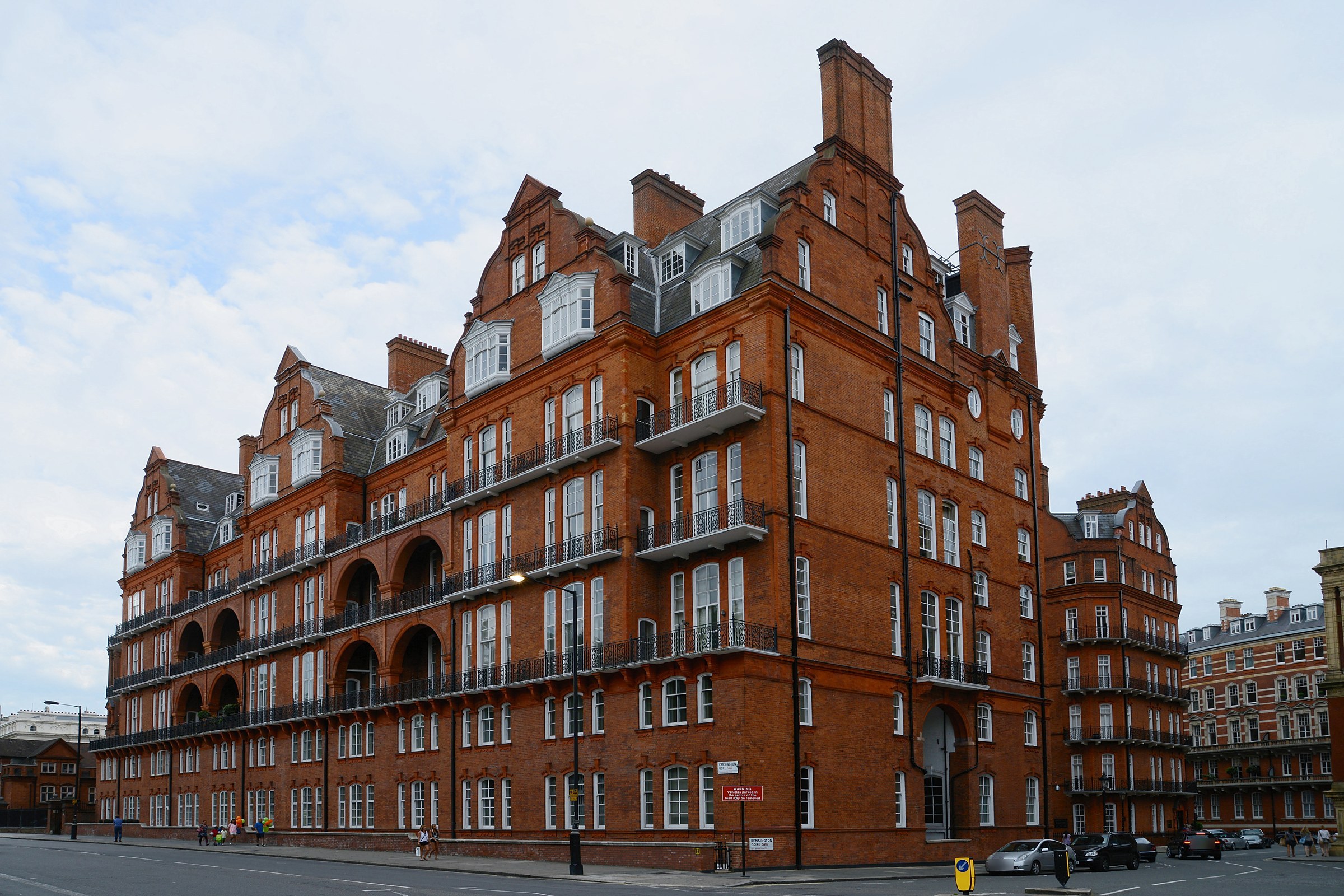
Who counts as a non-resident landlord
GOV.UK says that if you live abroad for six months or more a year, you are classed as a non-resident landlord, and HMRC collects tax on your UK rental income through the Non-Resident Landlord Scheme. The test is where you live during the year, not your nationality, so a Kuwaiti who lives in Kuwait and lets a flat in London falls under the scheme. For companies and trustees that own the property, different rules on where they usually live apply.
Who takes the tax off the rent, and when
If a letting agent collects the rent, the agent must operate the scheme however much rent it collects, unless HMRC has said in writing that no tax should be deducted. If there is no agent, a tenant who pays more than £100 a week in rent to a landlord living abroad must deduct the tax. The tax is the net rent multiplied by the basic rate of Income Tax. In the current tax year, 6 April 2026 to 5 April 2027, the basic rate is 20% on income from £12,571 to £50,270, the higher rate 40% up to £125,140 and the additional rate 45% above that. The agent or tenant pays HMRC within 30 days of the end of each quarter, which end on 30 June, 30 September, 31 December and 31 March, and by 5 July each year must send HMRC an annual report on form NRLY and give the landlord a certificate, NRL6, showing the tax taken.
Receiving the rent in full: form NRL1
An individual non-resident landlord can apply to HMRC on form NRL1 to receive UK rental income without tax taken off. The application can be made online after signing in to the HMRC service, or on a printed form signed by the landlord and posted to the address shown on it; a landlord who wants a tax agent to act for them sends form 64-8 with the printed form instead of using the online service. HMRC says it will normally approve an application that is complete and correct when it is satisfied the landlord will follow all their UK tax obligations. Rent can then be paid in full only once HMRC has told the agent or tenant so in writing.
The tax return and the Personal Allowance
GOV.UK says you need to declare your rental income in a Self Assessment tax return unless HMRC tells you not to. The standard Personal Allowance, the amount of income on which no tax is paid, is £12,570 in the 2026 to 2027 tax year; it goes down by £1 for every £2 of adjusted net income above £100,000 and is zero at £125,140. Someone living abroad gets it if they are a British citizen, a citizen of a European Economic Area country or worked for the UK government at any time in that tax year, and might also get it if it is included in the double-taxation agreement between the UK and the country they live in. A refund of the basic-rate tax taken under the scheme can be claimed, on form R43, only if both the rental income is lower than the Personal Allowance and basic-rate tax has already been taken off, and GOV.UK states that you cannot ask for a refund if you are not eligible for a Personal Allowance.
If you later sell
Since 6 April 2019 non-resident Capital Gains Tax has covered all UK property and land. HMRC's guidance, last updated on 13 January 2026, says that if you are not resident in the UK you must report disposals of UK property or land, and for UK residential property with a completion date on or after 27 October 2021 you must report and pay within 60 days of selling. You must report even if you have no tax to pay on the disposal or made a loss.
What Al Mithaq adds
Our London guide explains who can buy, the six steps from reservation to keys, stamp duty with a worked example, and the 14 London Square and Arada developments we offer from £335,000. We do not give tax advice: for your own tax position, speak to a UK tax adviser. Tell our team in Kuwait your budget and whether you plan to live in the home or let it, and we will answer on the developments, prices and buying steps.
Sources
- GOV.UK, HMRC guidance: Paying tax on rent to landlords abroad, opened 19 October 2026
- GOV.UK: Tax on your UK income if you live abroad, Rental income, opened 19 October 2026
- GOV.UK, HMRC form NRL1: Apply as an individual to receive UK rental income without UK tax deducted, opened 19 October 2026
- GOV.UK: Tax on your UK income if you live abroad, Personal Allowance, opened 19 October 2026
- GOV.UK: Income Tax rates and Personal Allowances, tax year 6 April 2026 to 5 April 2027, opened 19 October 2026
- GOV.UK, HMRC guidance: Tell HMRC about Capital Gains Tax on UK property or land if you are not a UK resident, last updated 13 January 2026, opened 19 October 2026
- Al Mithaq, How to buy property in London (guide)
Homes we sell there
All our homes in the United Kingdom ›Related stories
All news ›
Stamp duty for a Kuwaiti buyer in London: the 2026 rates with a worked example
UK mortgage approvals for home purchases fell to 54,900 in August 2026 and the rate on new mortgages rose to 4.60%, Bank of England figures show