Buying property in the UAE as an expatriate: Abu Dhabi, Dubai and Sharjah have three different rules, says the UAE Government portal
The UAE Government portal, updated on 2 November 2026, explains that property ownership laws differ from one emirate to another: Dubai allows freehold in designated areas, Abu Dhabi offers ownership in nine investment areas plus musataha, usufruct and long leases, and Sharjah offers usufruct of up to 100 years in designated areas.
Dubai: freehold in designated areas
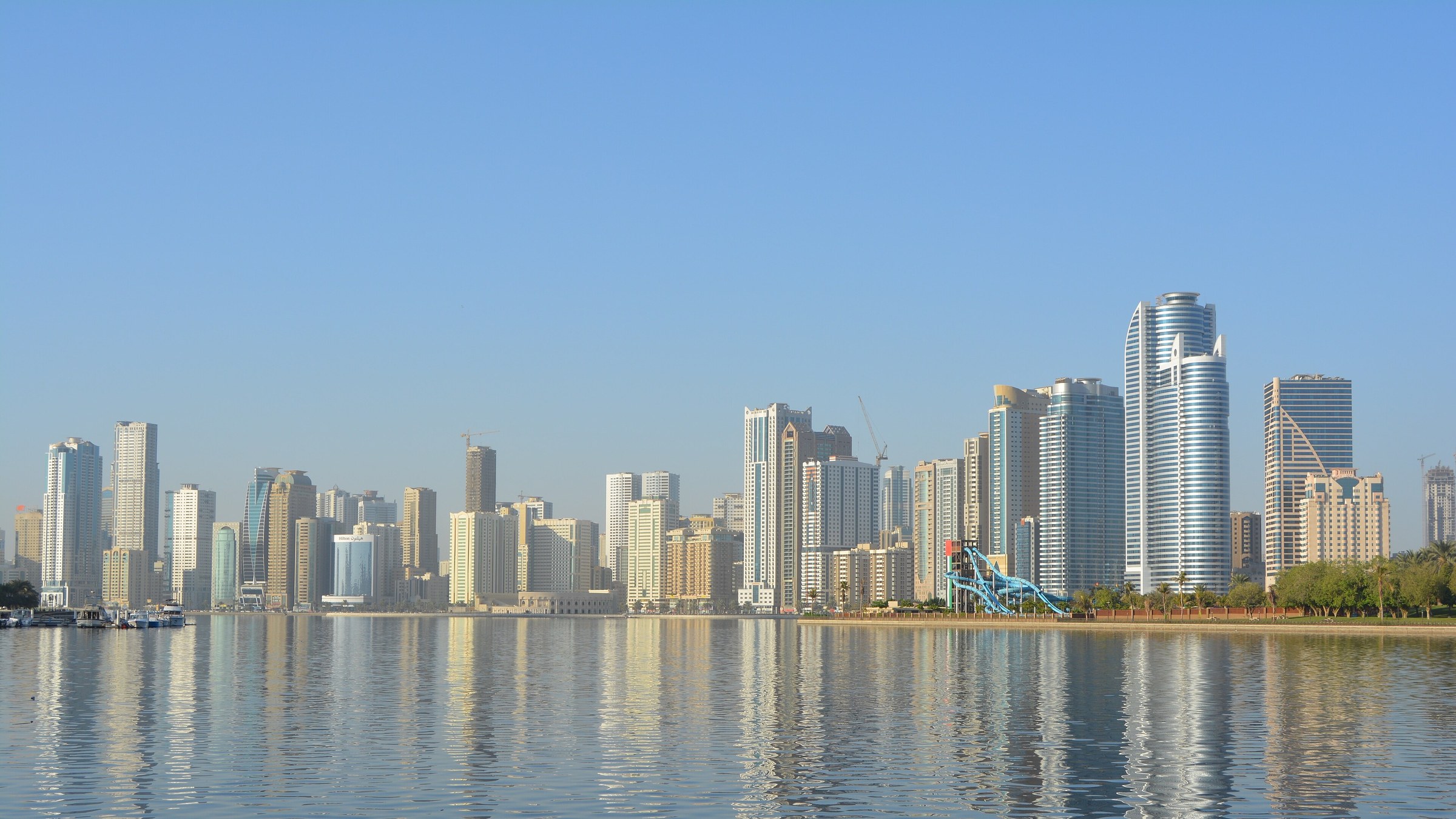
The portal says foreign ownership in Dubai is permitted in areas designated as freehold. Foreigners who do not live in the UAE, and expatriate residents, may acquire freehold ownership, and usufruct or leasehold rights for up to 99 years. Title deeds are issued by the Dubai Land Department, and the page says there is no age limit to own property in Dubai.
Abu Dhabi: nine investment areas and four kinds of right
In Abu Dhabi the governing law is Law No. 19 of 2005, amended by Law No. 13 of 2019. Since the April 2019 amendment, non-UAE nationals have the right to own real estate in investment areas. The portal lists the areas as Yas Island, Saadiyat, Reem, Mariya, Lulu, Al Raha Beach, Sayh Al Sedairah, Al Reef and Masdar City. It also describes four systems: ownership of residential units for 99 years, musataha for residential units for 50 years renewable by agreement for a similar period, usufruct for residential units for 99 years, and a long-term lease with an initial period of not less than 25 years. Holders of a usufruct or musataha of more than 10 years may dispose of the property, including mortgaging it, without the landlord's consent, unless the parties agree otherwise. The portal adds that expatriates may own floors and apartments but not land, and that Article 3 gives non-UAE nationals, natural or legal persons, the right to own and acquire rights in real estate located within investment areas.
Sharjah: usufruct, not ownership
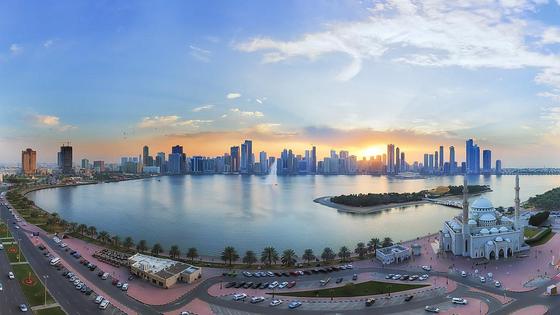
In Sharjah the governing text is Executive Council Resolution No. 26 of 2014 on the usufruct of real estate properties in the Emirate of Sharjah. The portal says foreign nationals, and companies owned by foreign nationals, do not have the right to own property in Sharjah, but may hold a usufruct for a maximum of 100 years. It must be registered with the Sharjah Real Estate Registration Department, must be in areas specified by the Government of Sharjah, and is granted only after special approval from the Ruler of Sharjah.
What Al Mithaq adds
From Kuwait we sell Emaar communities in Dubai and Aldar homes in Abu Dhabi. Our UAE residency page explains how a property purchase can link to a residency route, and our team can tell you which right and which area each home we offer sits in before you reserve.
Sources
Homes we sell there
All our homes in the UAE ›Related stories
All news ›
Abu Dhabi ownership law: nationals and their equivalents can own outside the investment areas too, other foreigners get full rights inside investment areas, and ADREC counted 50 such areas in the first half of 2026

Guide: who can own property where in Dubai. Law No. 7 of 2006 gives Kuwaiti and other GCC citizens the right to own anywhere in the emirate; other foreigners buy in freehold areas