Travel notesBy Al Mithaq
The journey
1. The Kuwait Towers · 2. The Grand Mosque · 3. Souq Al Mubarakiya · 4. The Sharq fish market and Al Shamlan harbour · 5. Amricani Cultural Centre · 6. Arabian Gulf Street and Sadu House · 7. Al Shaheed Park · 8. Sheikh Jaber Al-Ahmad Cultural Centre 8 Kuwait City 8 places9. The Scientific Center · 10. Marina Crescent and the Salmiya corniche · 11. The Avenues and 360 Mall 3 Salmiya 3 places12. Sheikh Jaber Al-Ahmad Causeway · 13. The Red Fort, Al Jahra · 14. Jahra Nature Reserve · 15. The spring camps and the Mutlaa desert 4 Jahra 4 places16. Failaka Island · 17. Al Khiran 2 Failaka 2 places

Kuwait · home ground

KuwaitKuwait travel guide: things to do, what to wear, local customs

A small country, a big sea and a warm welcome

Kuwait City · Salmiya · Al Khiran

Things to do in Kuwait this week

Today, Thursday 5 November · 2 events

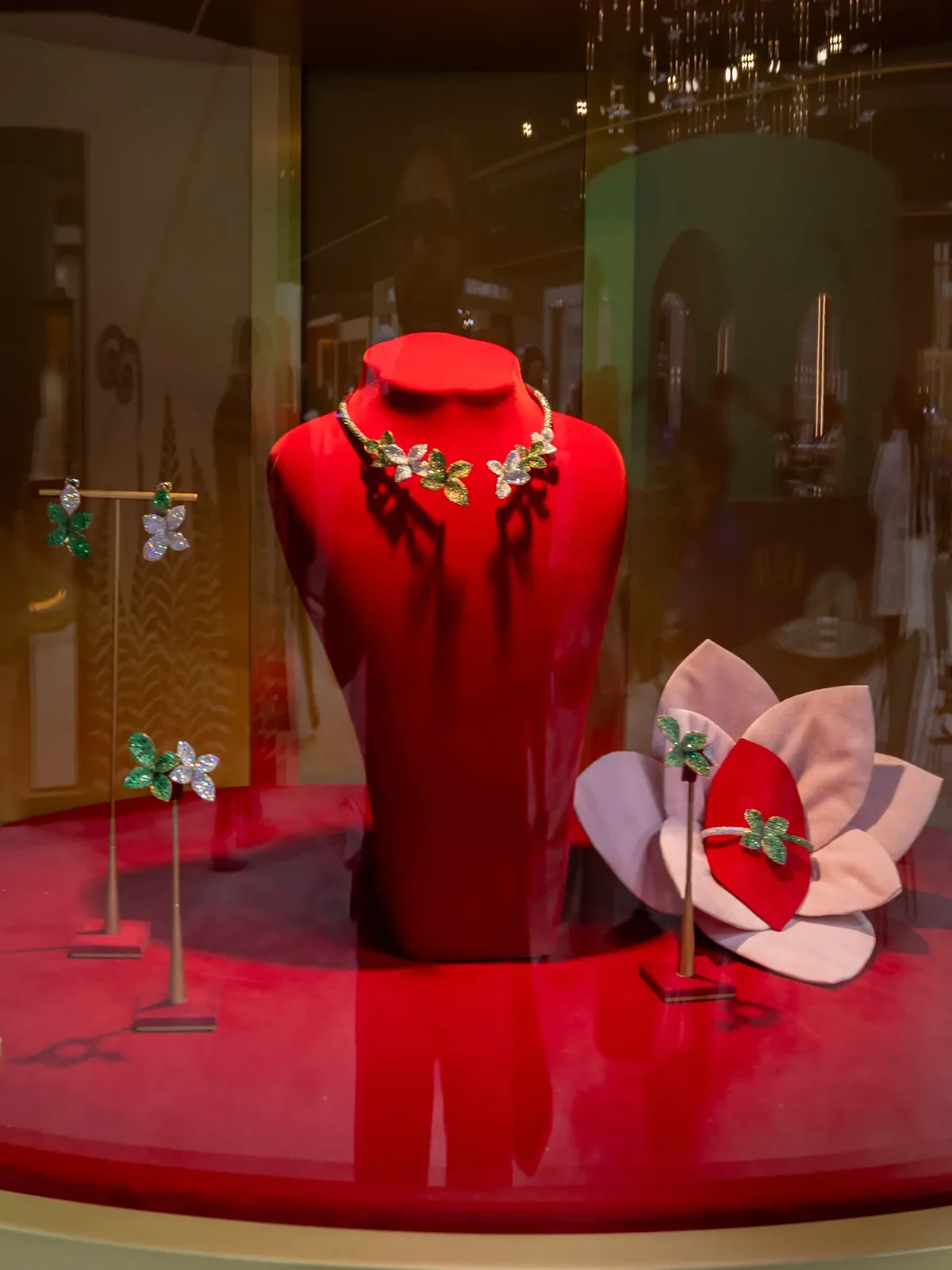
A diamond and emerald leaf necklace, earrings and a bracelet in a red display case at the QERAT jewellery exhibition 2025ExhibitionFree QERAT 2026 Jewellery Exhibition10:00 AMThe Arena Kuwait, 360 Mall, Al ZahraFreeFive days of more than 100 international jewellery houses under one roof, with live music and lounges.
Quantum Con 2026 poster: three guest stars, one doing a card trick, with anime characters in purple and the words 5-7 November 2026, Hall 5, anime, movies, gaming, cosplayFestival Quantum Con 2026Daily until Sat 7 NovKuwait International Fairground, Hall 5, MishrefFrom KD 10Three days of anime, gaming and cosplay with contests, tournaments and a YouTuber meet and greet.

All events and what is coming up

Kuwait at a glance

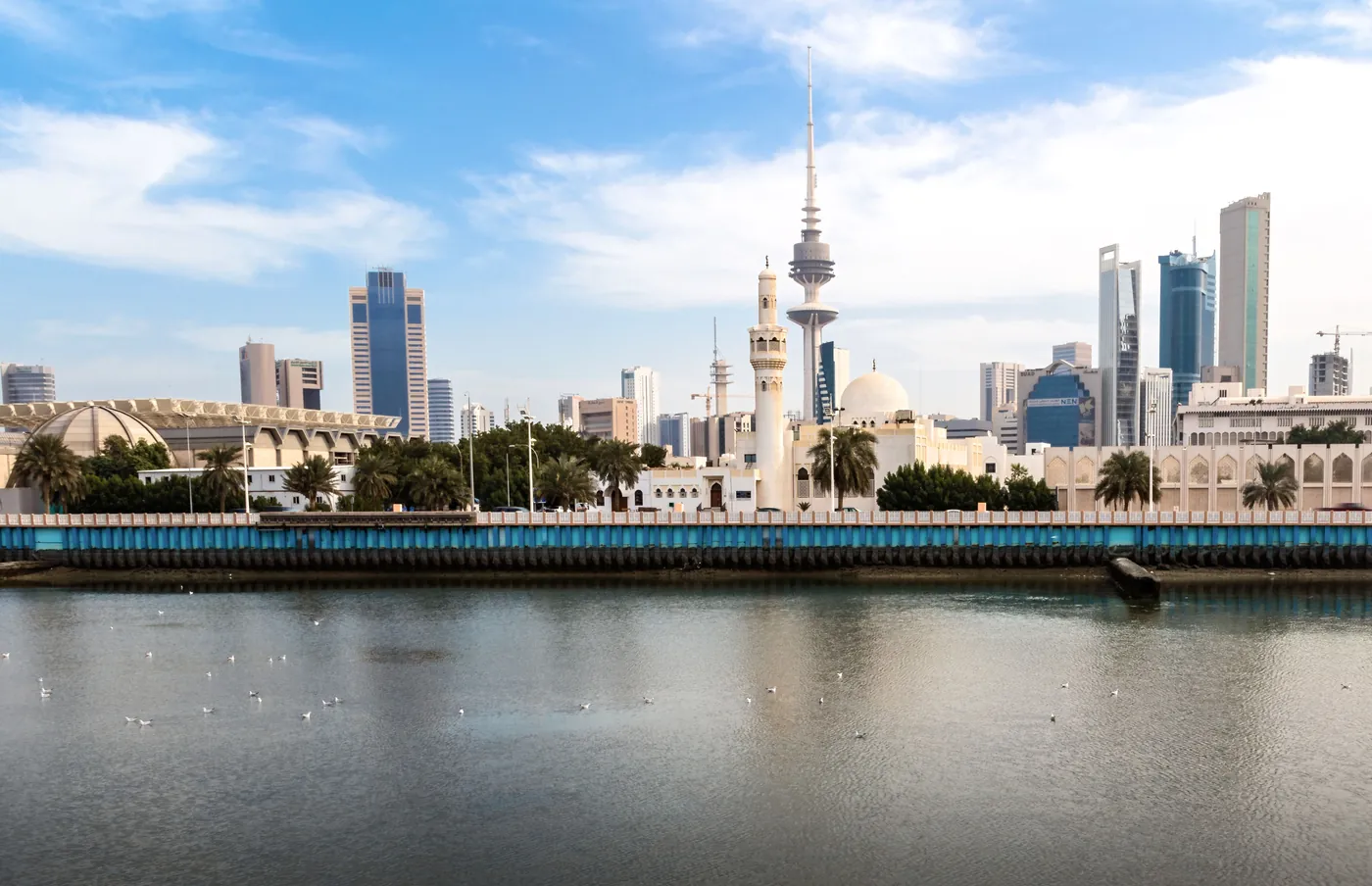
Kuwait is the Gulf's quiet surprise: a short flight from every GCC capital, the same clock as Riyadh and Doha, and a coast road that runs from the Kuwait Towers to Salmiya with the sea beside you all the way. In a single day you can turn slowly above the bay in a glass sphere, bargain for oud in a souq named after Mubarak the Great, and watch the morning catch sold at the fish market.

This guide keeps it short. Seventeen places in four regions, in the order a visiting family moves: Kuwait City first, then Salmiya and its malls, then Jahra and the northern desert, and finally the sea escapes of Failaka Island and Al Khiran. Each entry says what the place is, when to go and one practical tip. November to March is the season: soft days, cool nights and, after the rain, a desert that turns green.

HomeBack to Al Mithaq Real Estate

Tap any picture to see more photos and the details.

Information checked in October 2026. Opening times, fees and booking change, so check the official site before you go.

Kuwait City

The capital along the bay: the Towers, the Grand Mosque, the old souq, the fish market, a mission hospital turned museum a green park over the roads and the opera house.

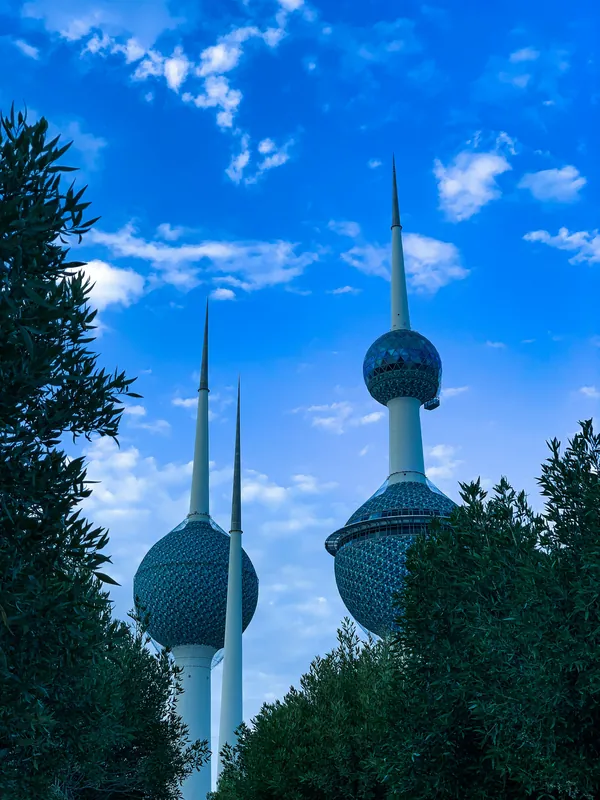
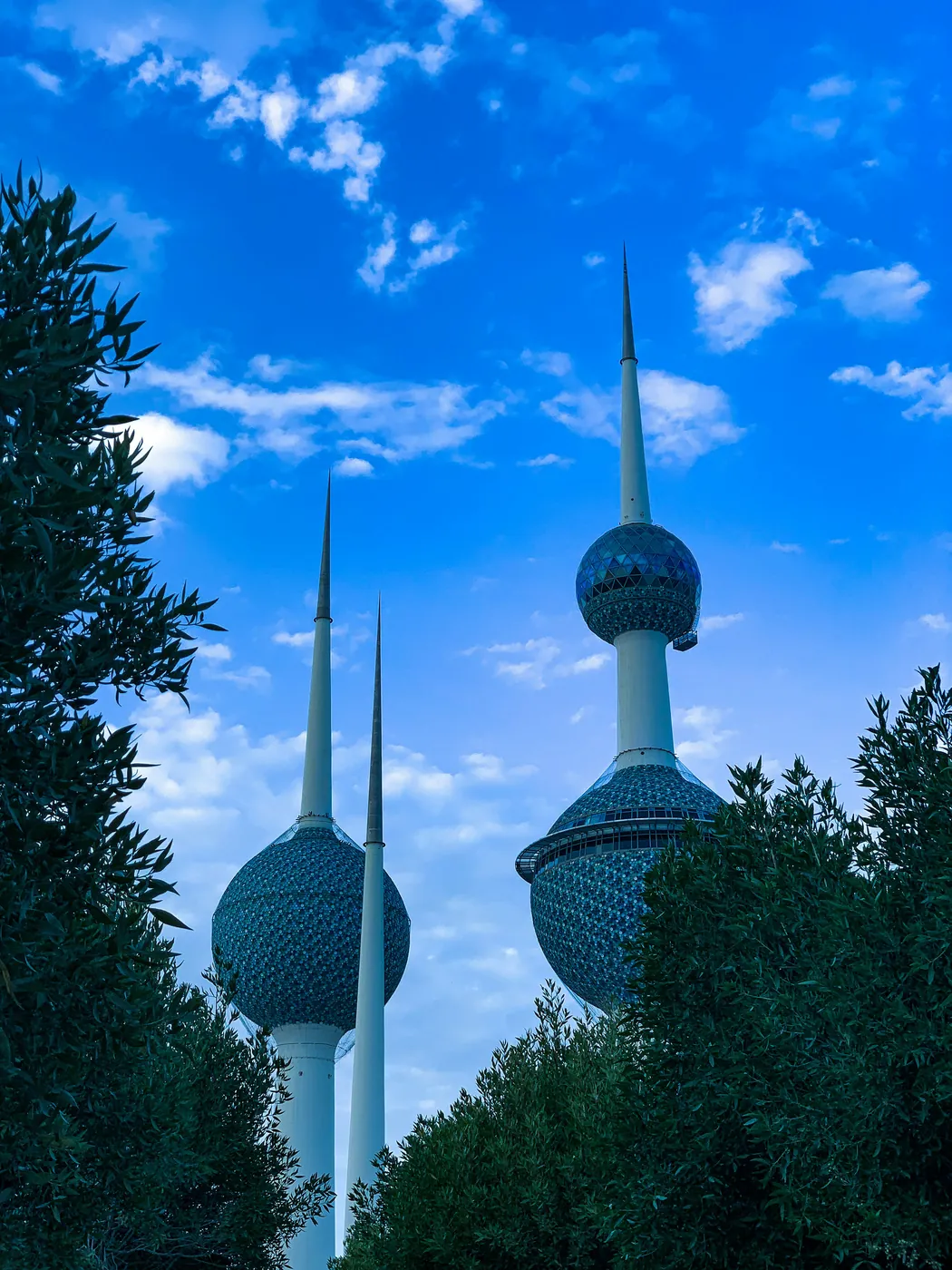
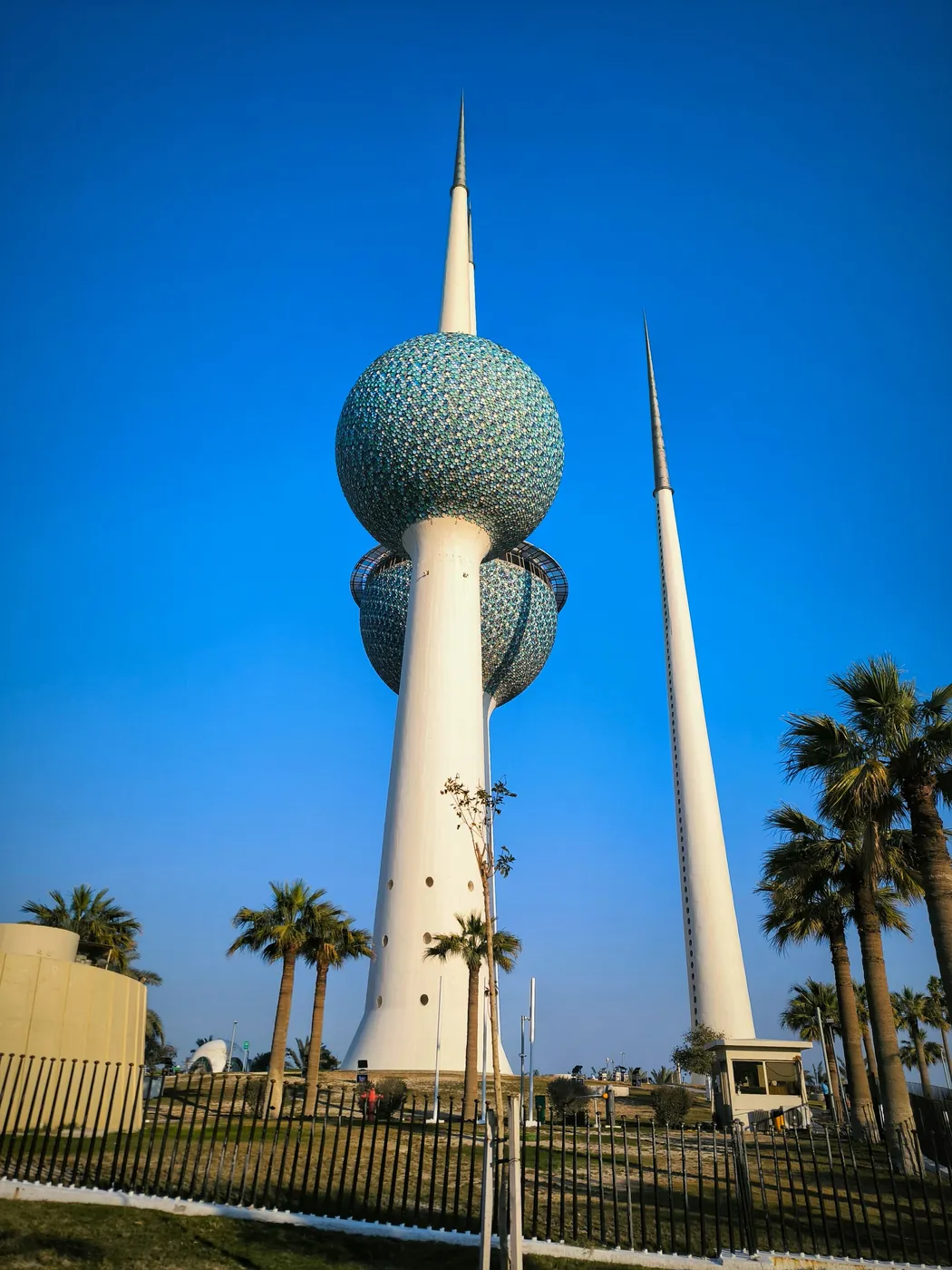
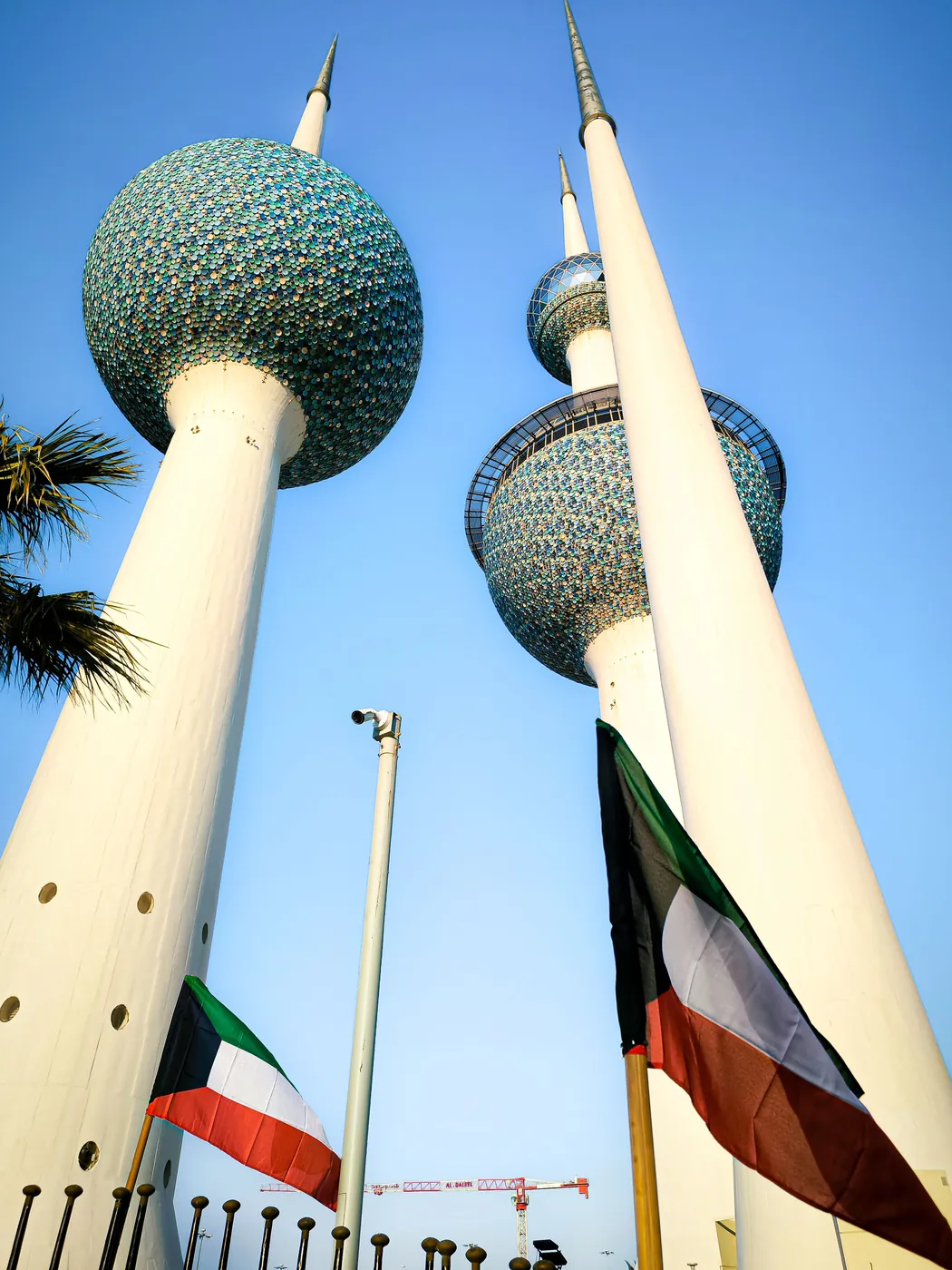
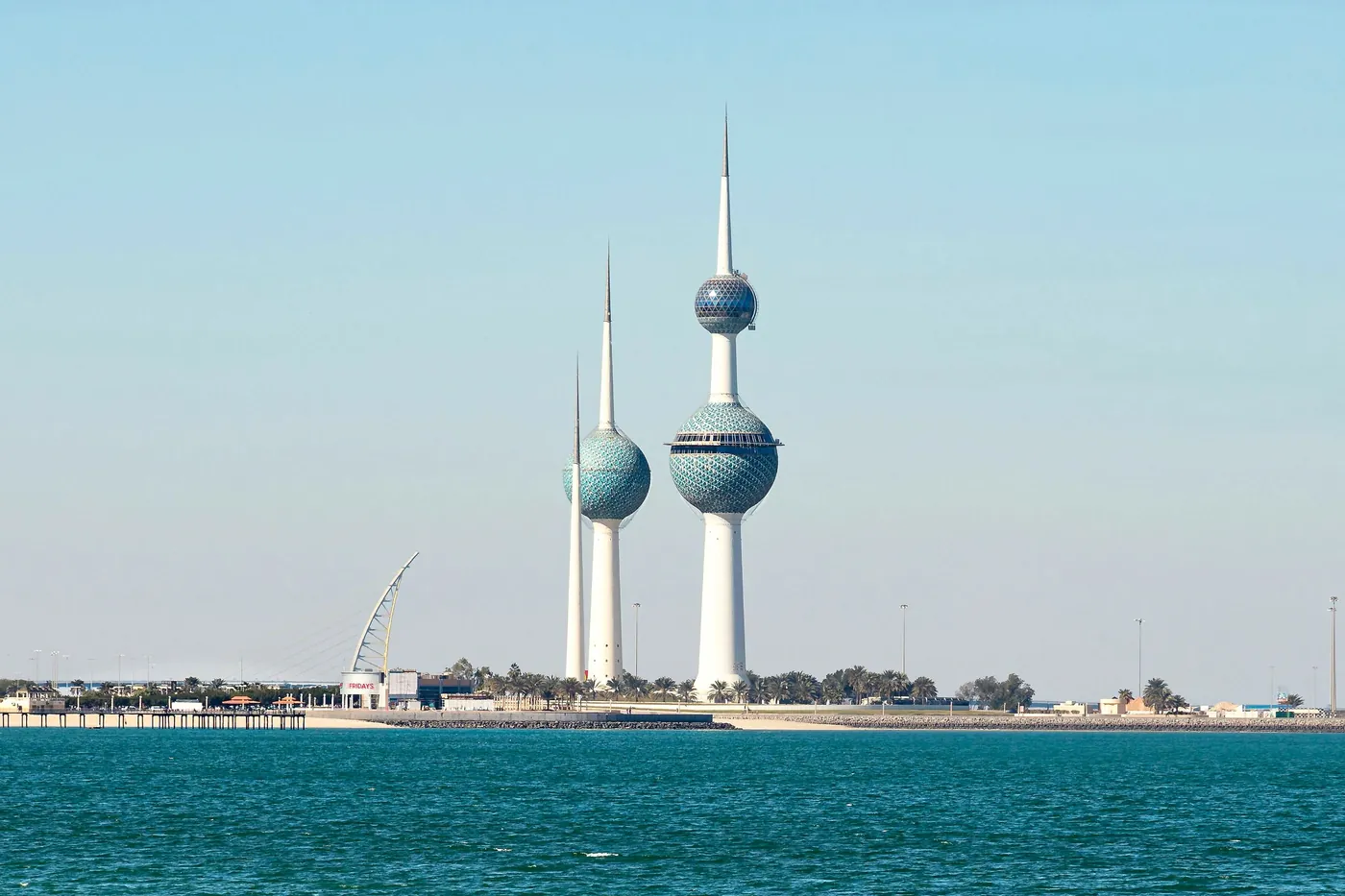
The Kuwait Towers, Kuwait CityKuwait CityThe Kuwait TowersAll year, at sunset1
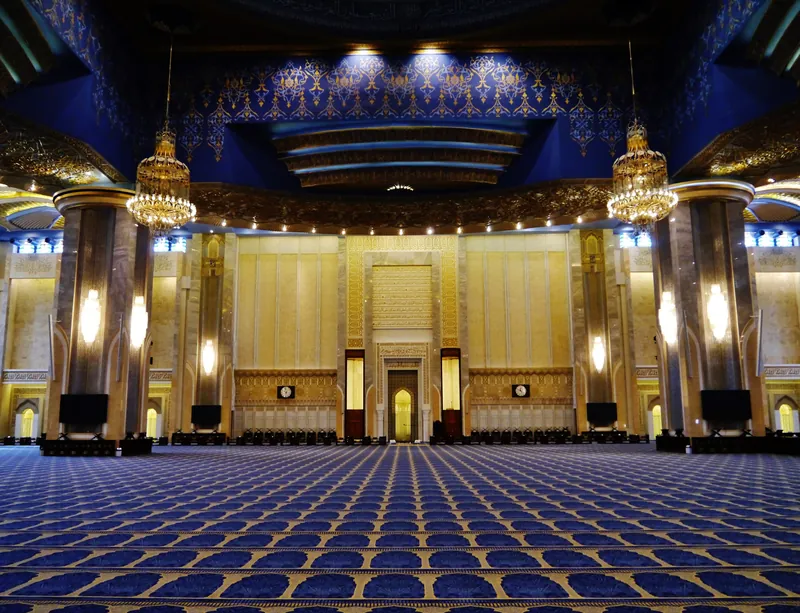
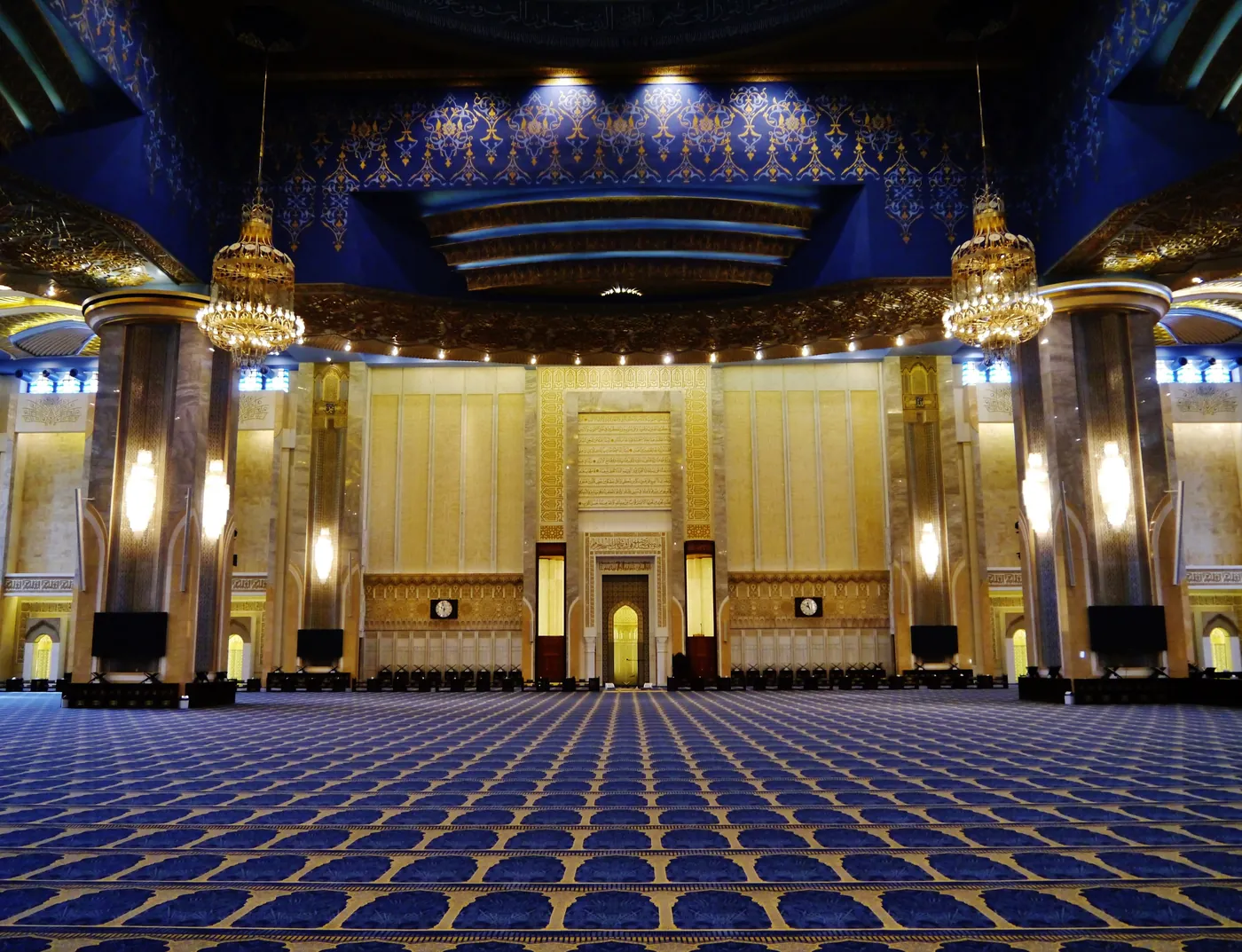
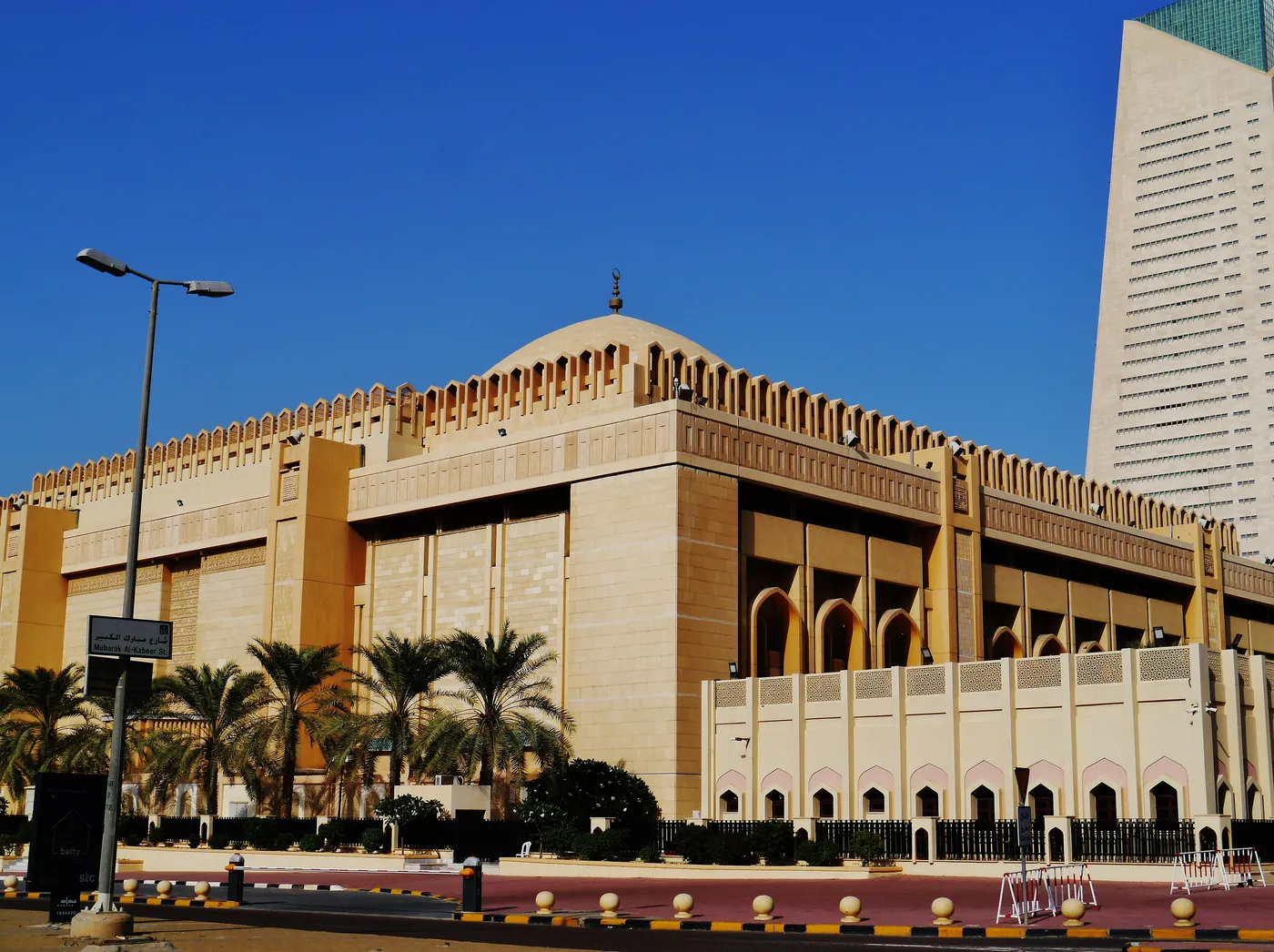
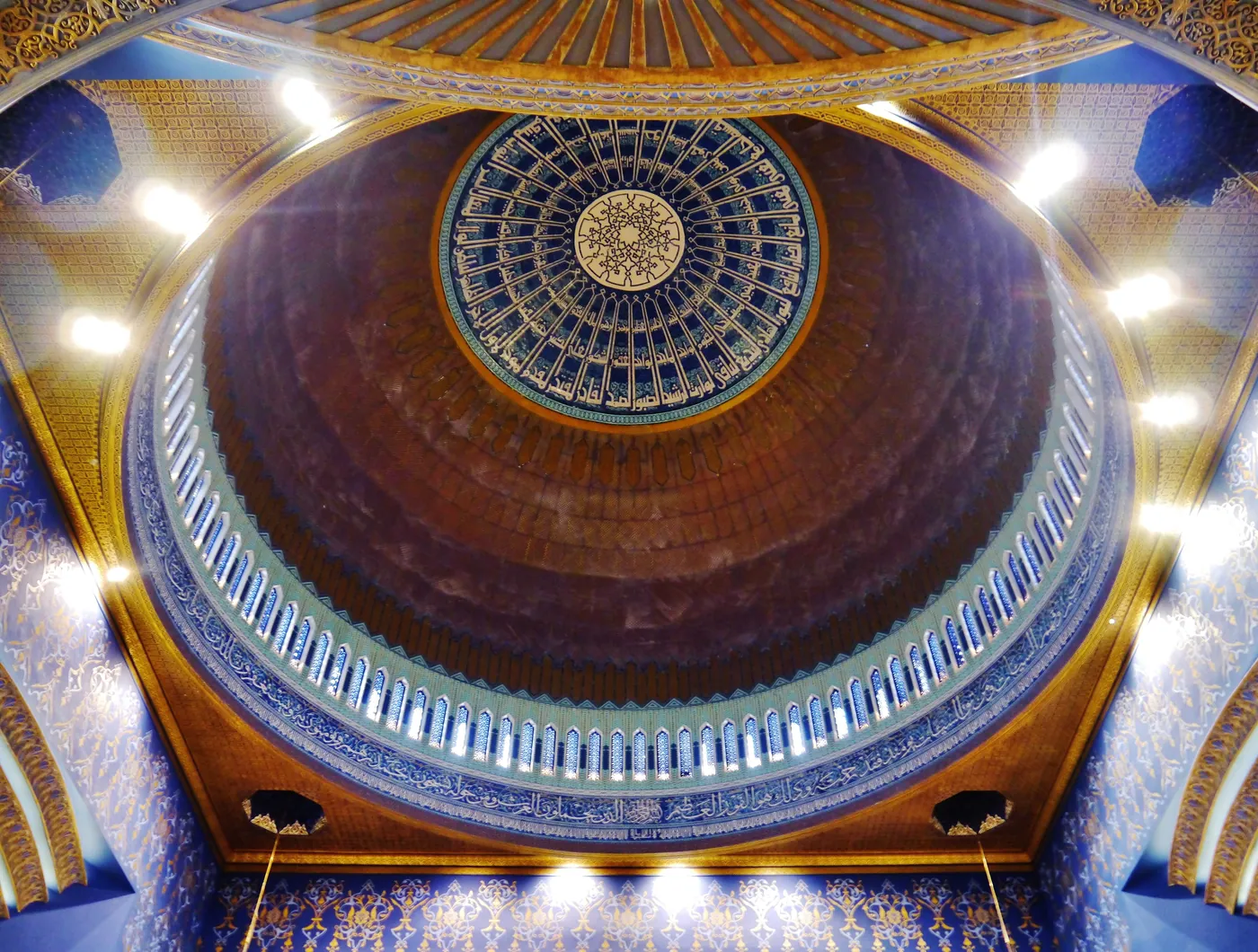
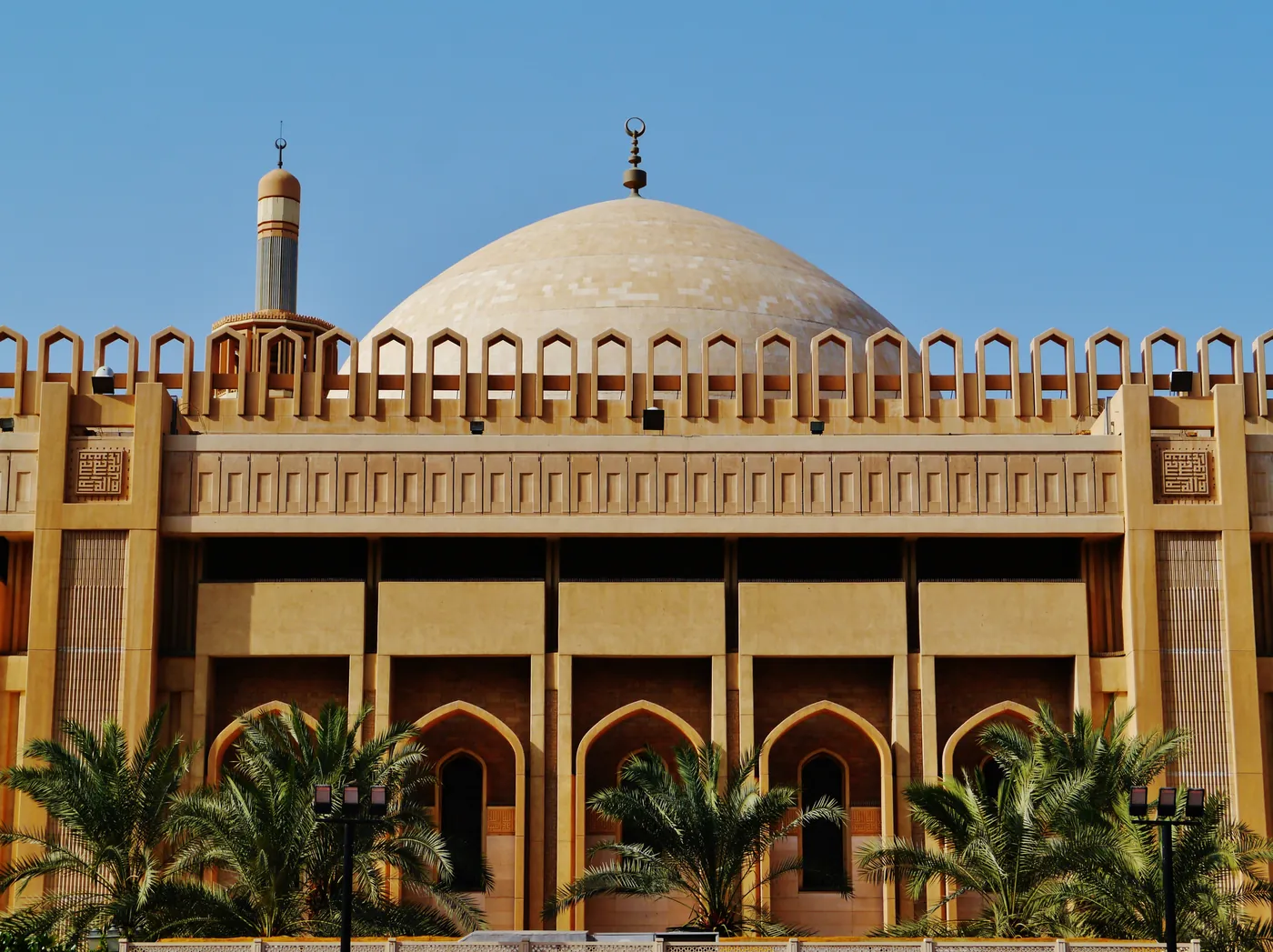
The Grand Mosque, Kuwait CityKuwait CityThe Grand MosqueAll year, weekday mornings2
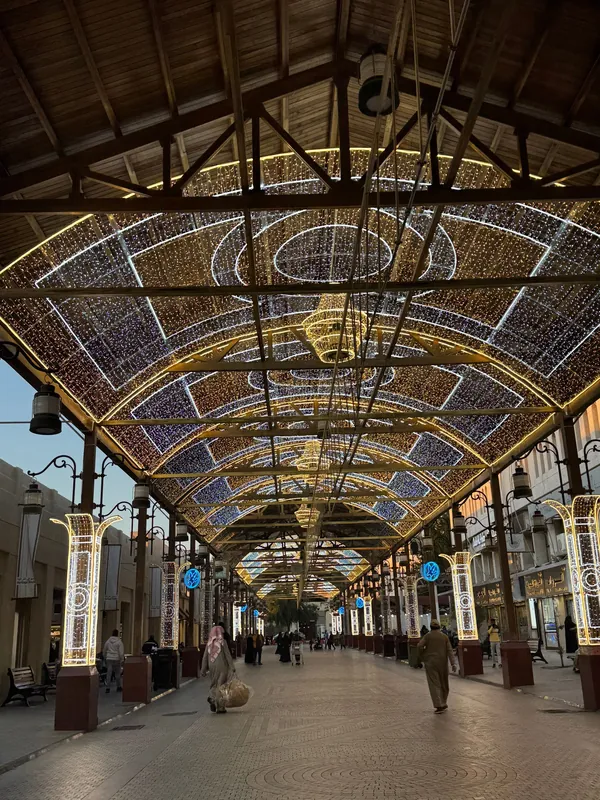
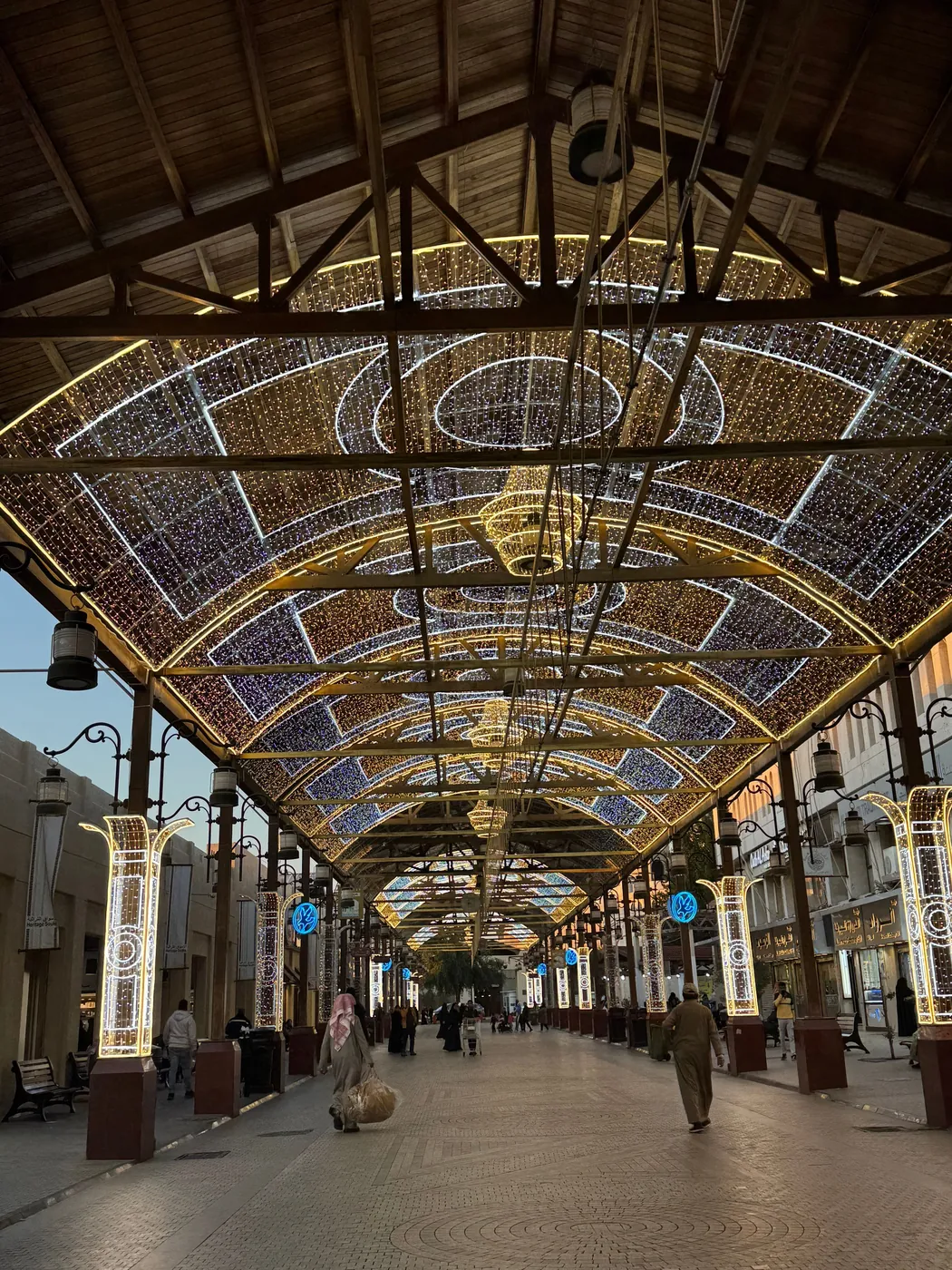
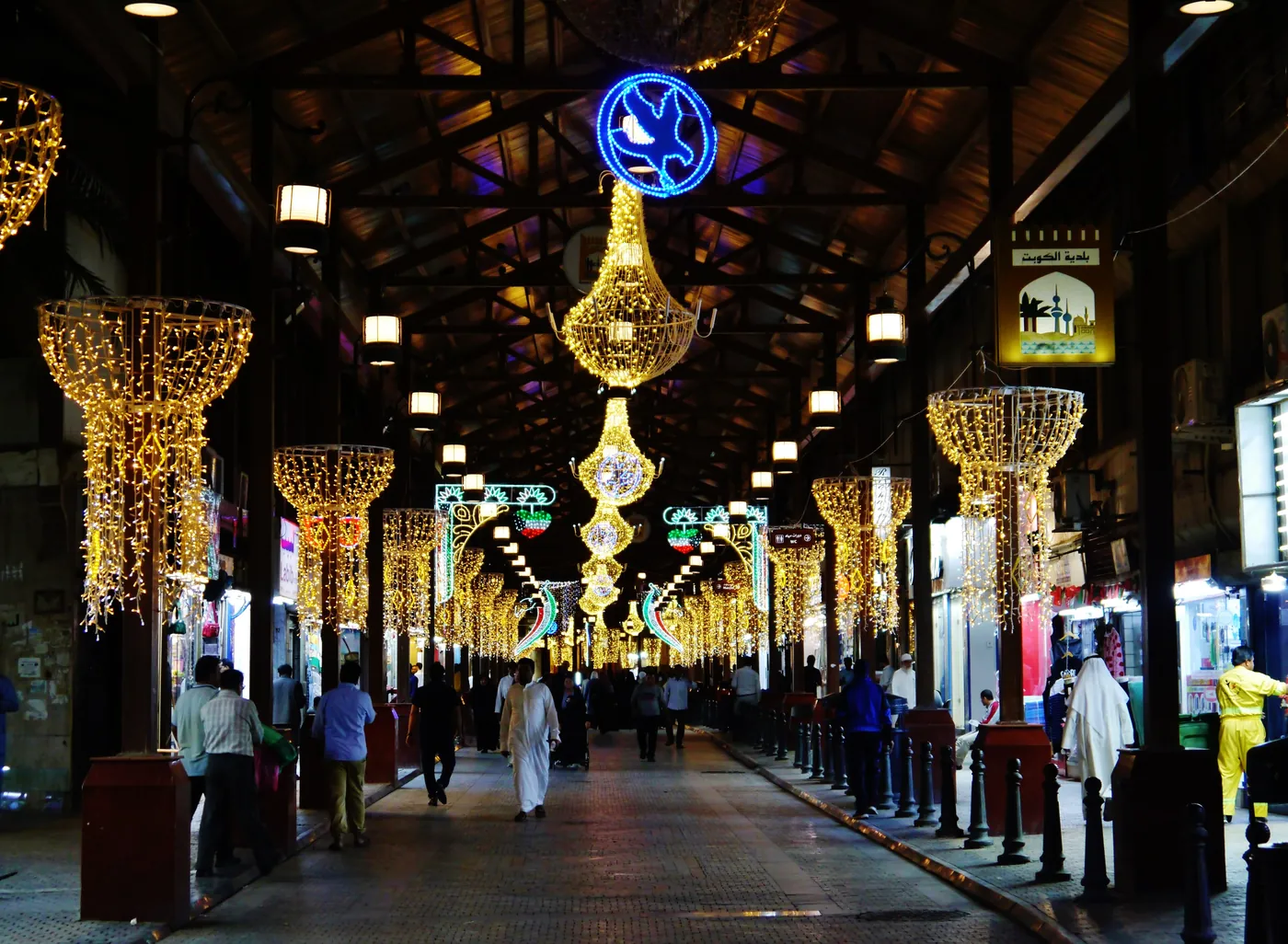
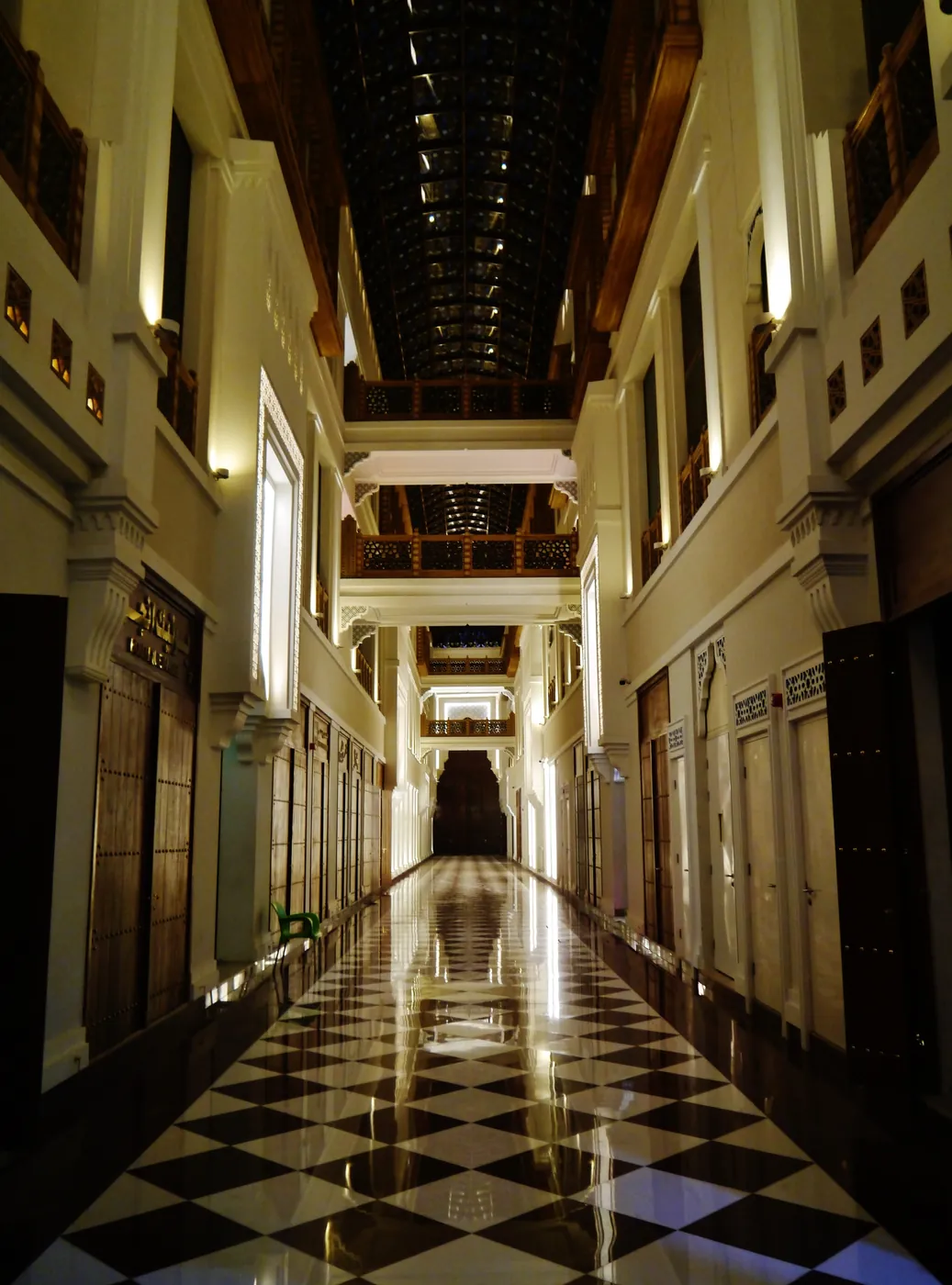
Souq Al Mubarakiya, Kuwait CityKuwait CitySouq Al MubarakiyaOctober to March, after sunset3
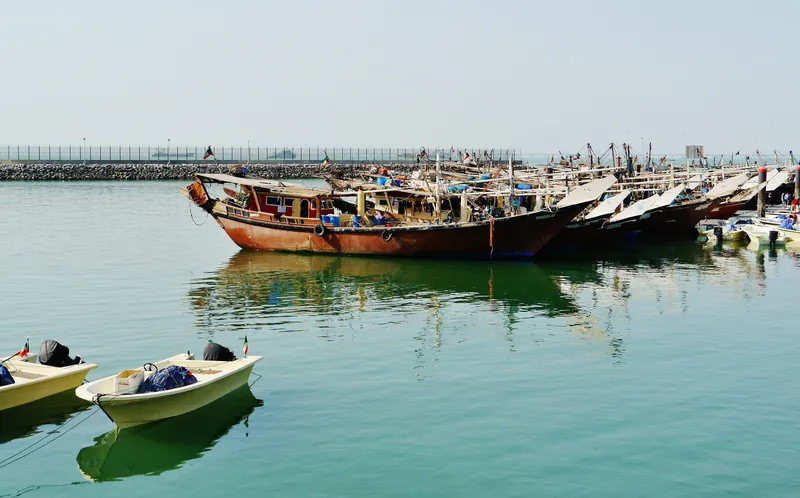
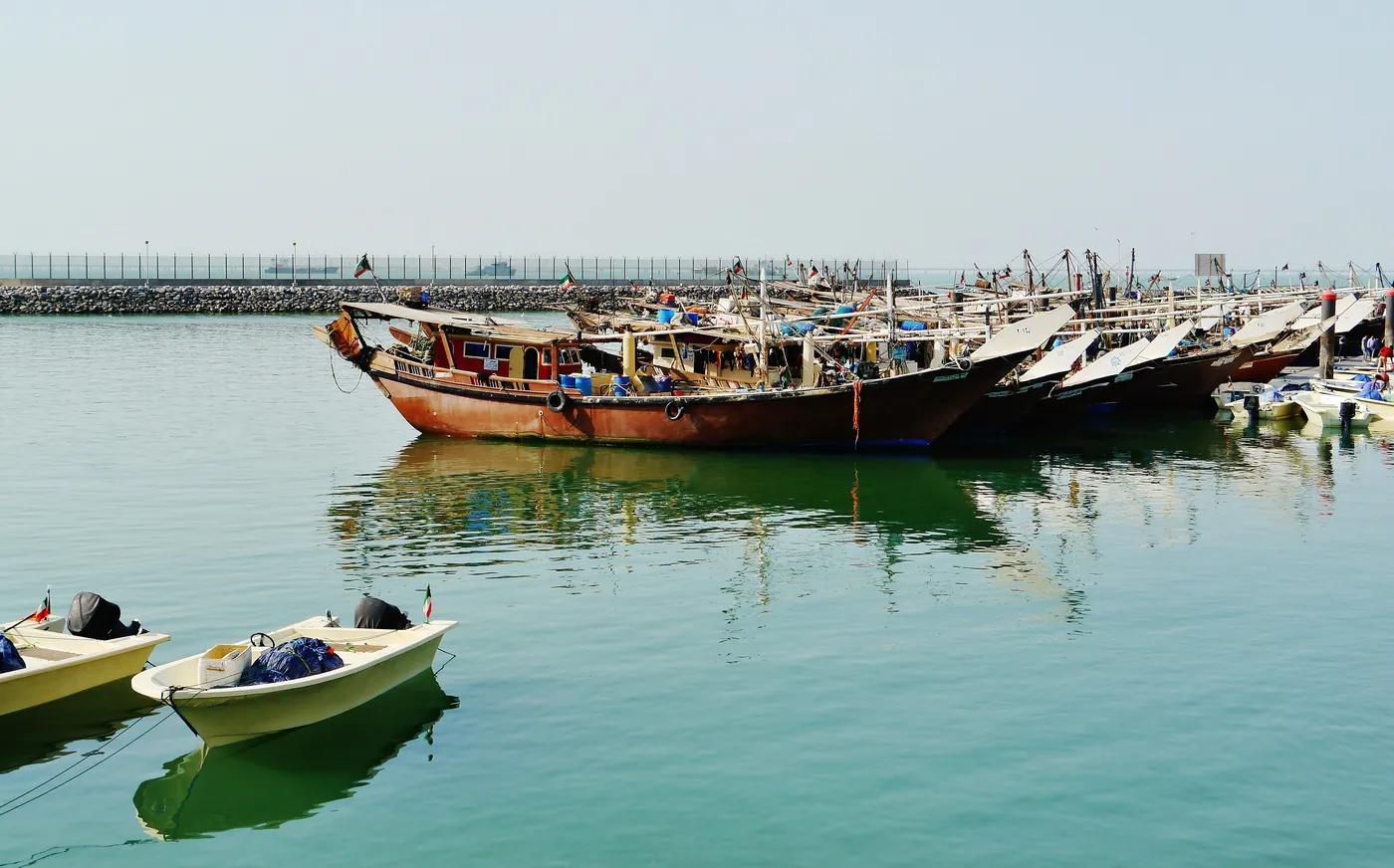
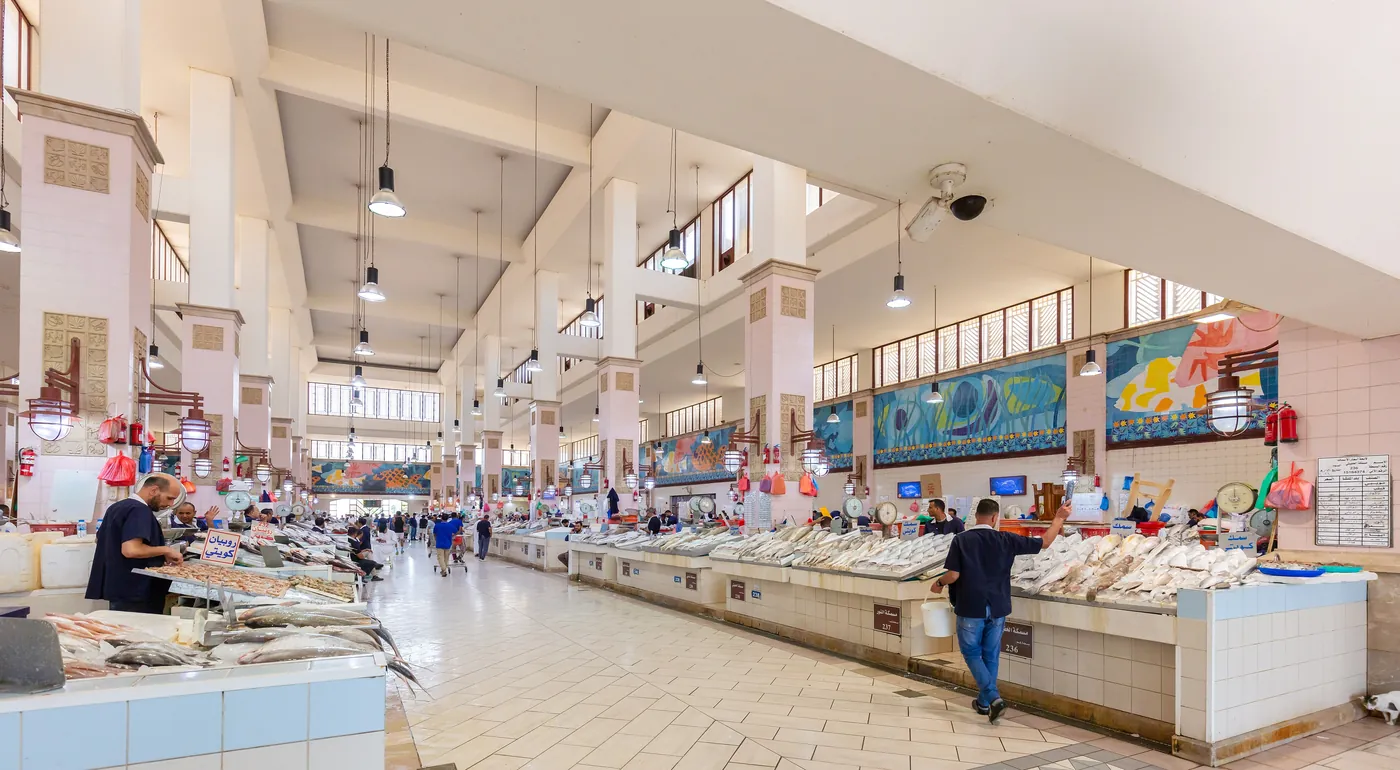
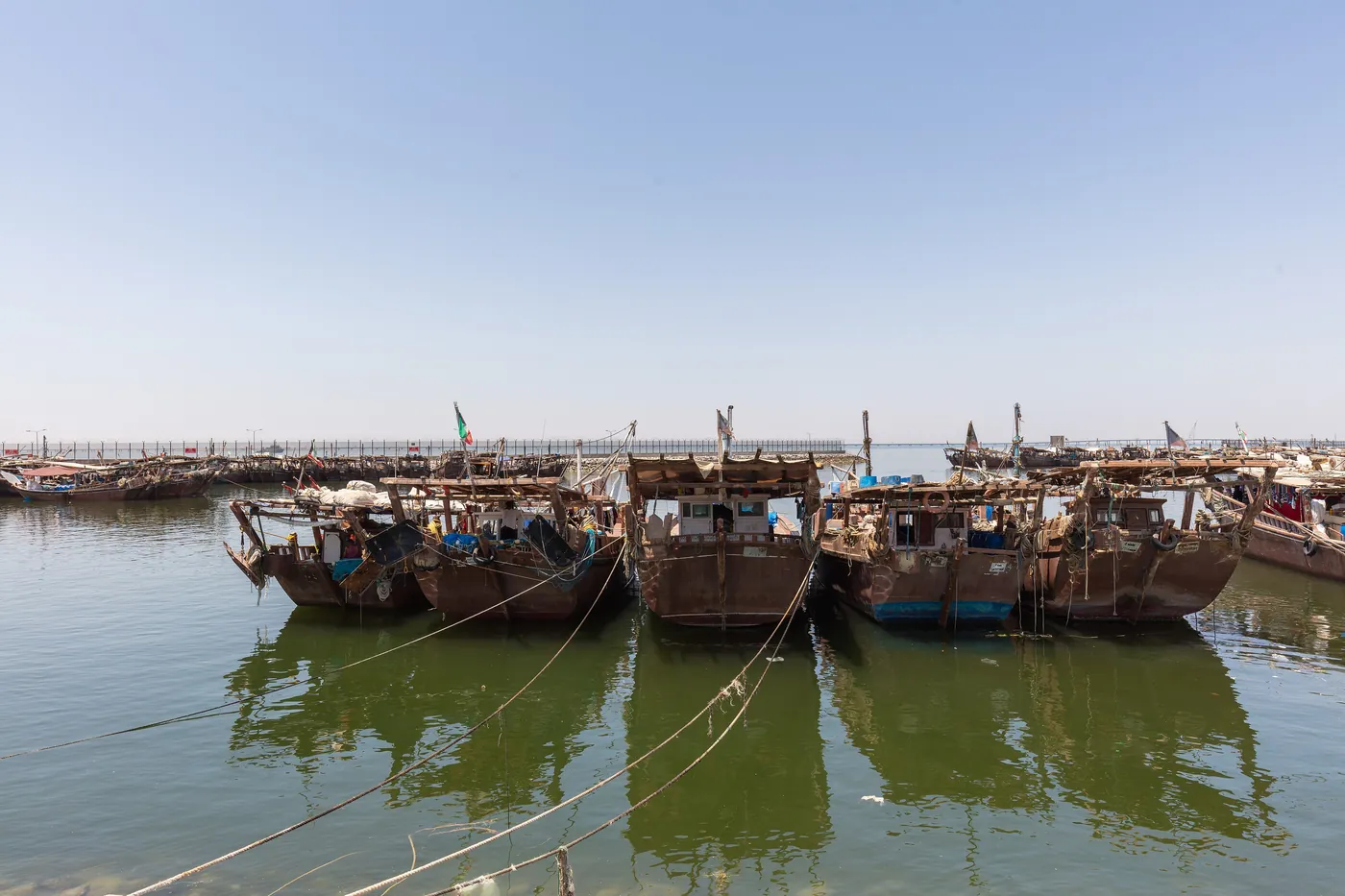
The Sharq fish market and Al Shamlan harbour, Sharq, Kuwait CitySharq, Kuwait CityThe Sharq fish market and Al Shamlan harbourAll year, early morning or evening4
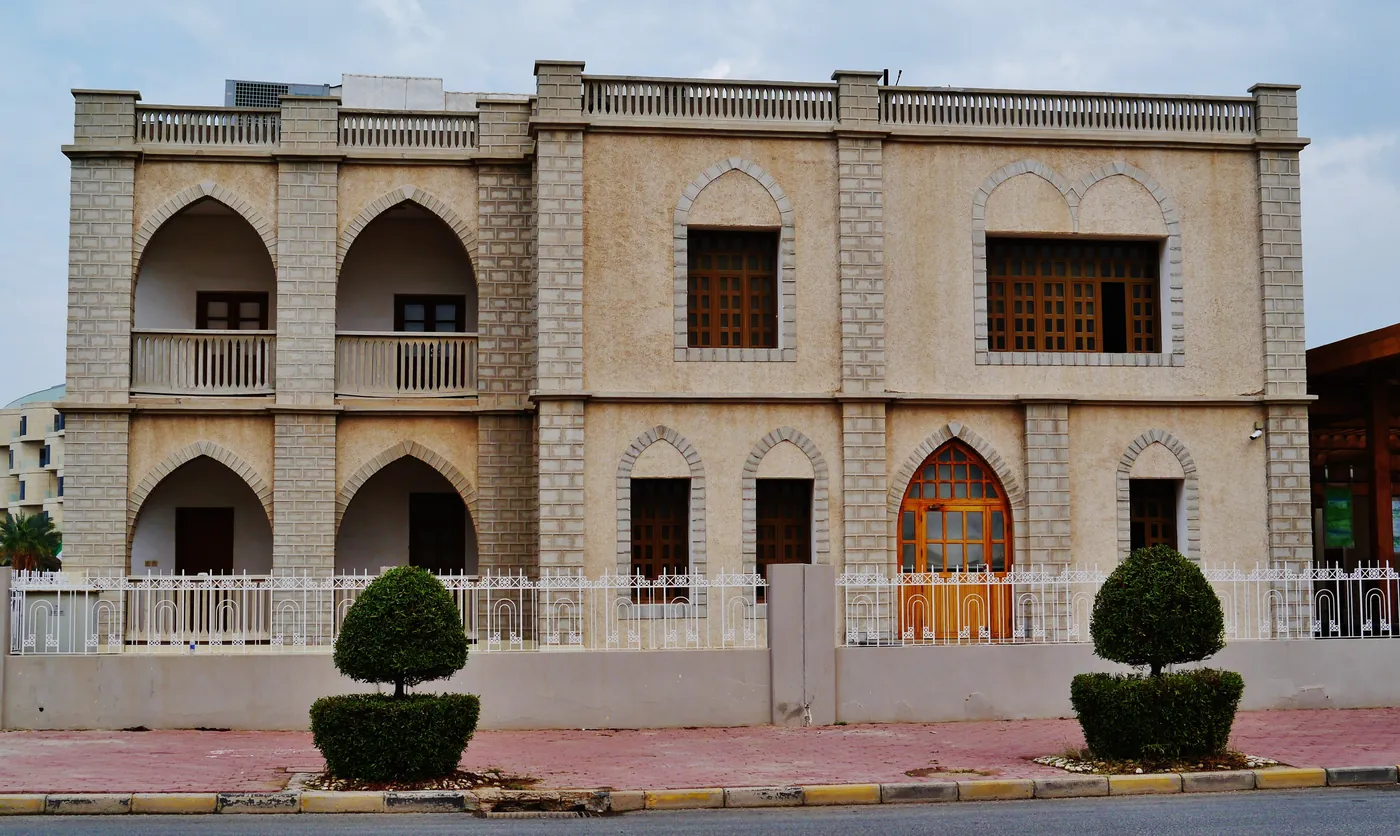
Amricani Cultural Centre, Kuwait CityKuwait CityAmricani Cultural CentreAll year, indoors5
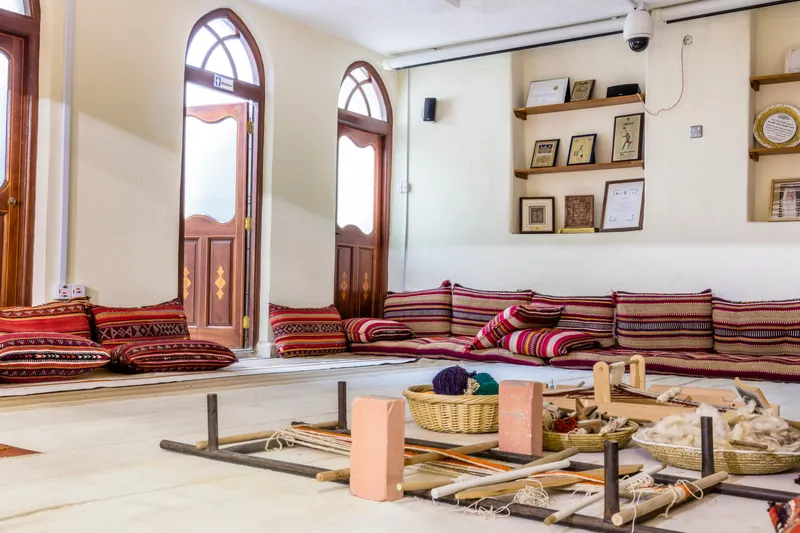
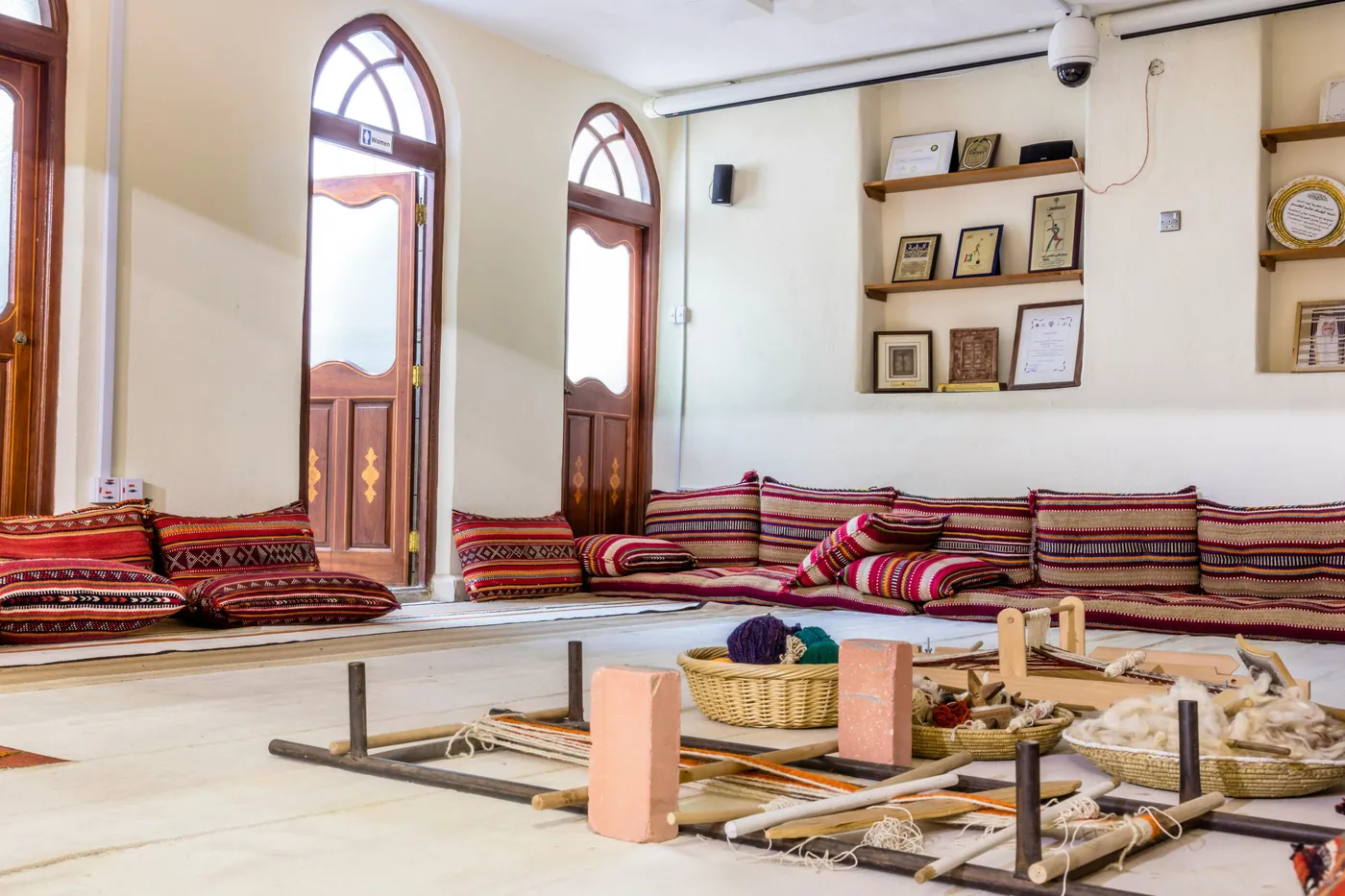
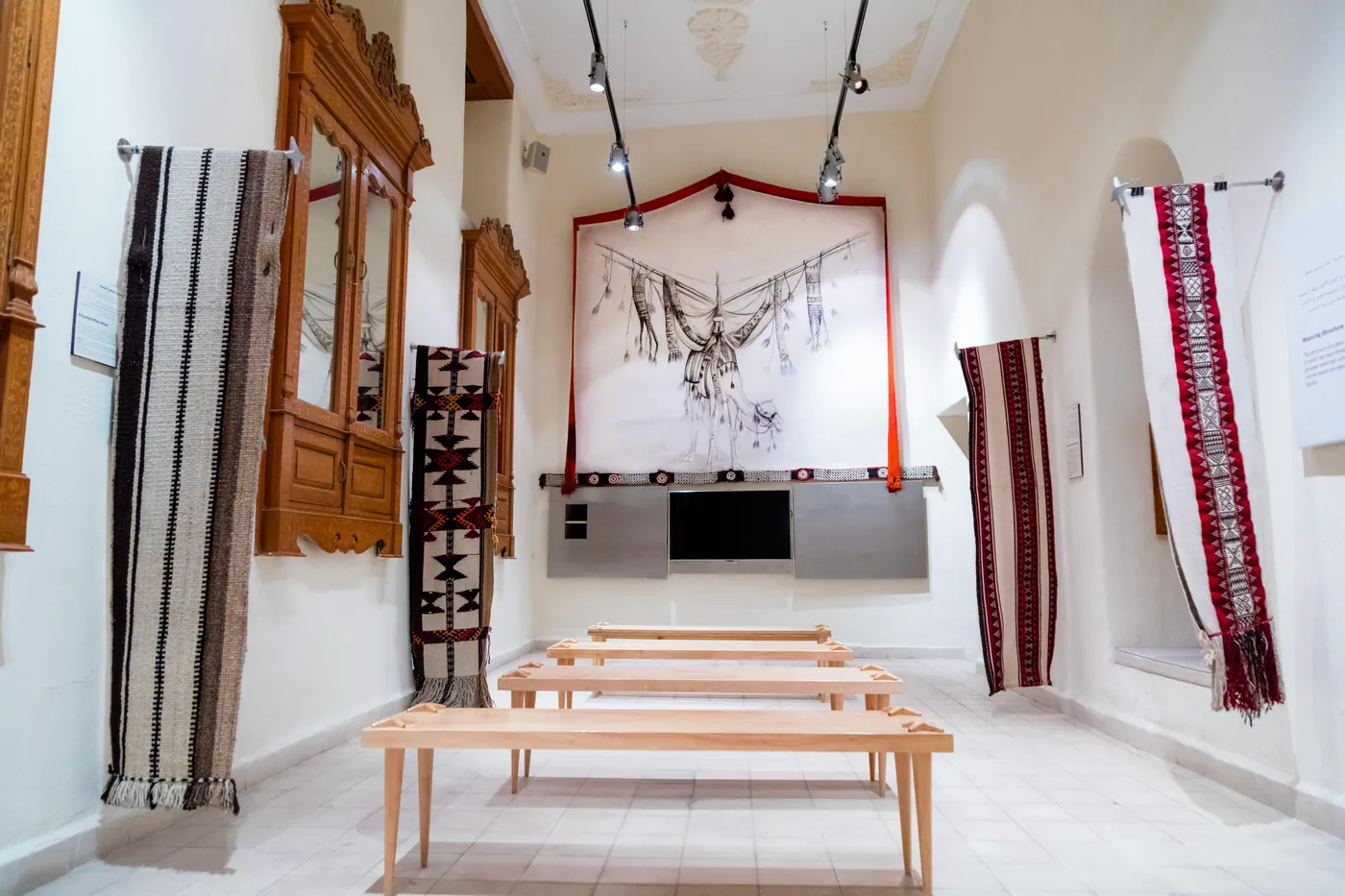
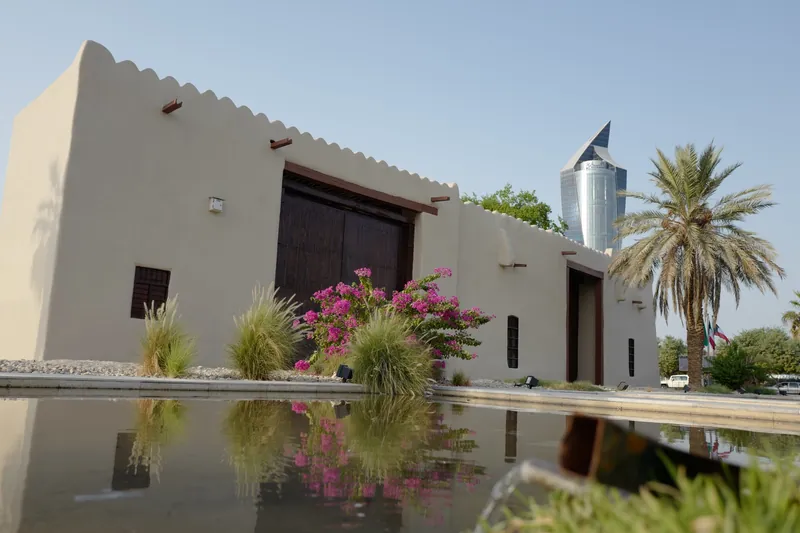
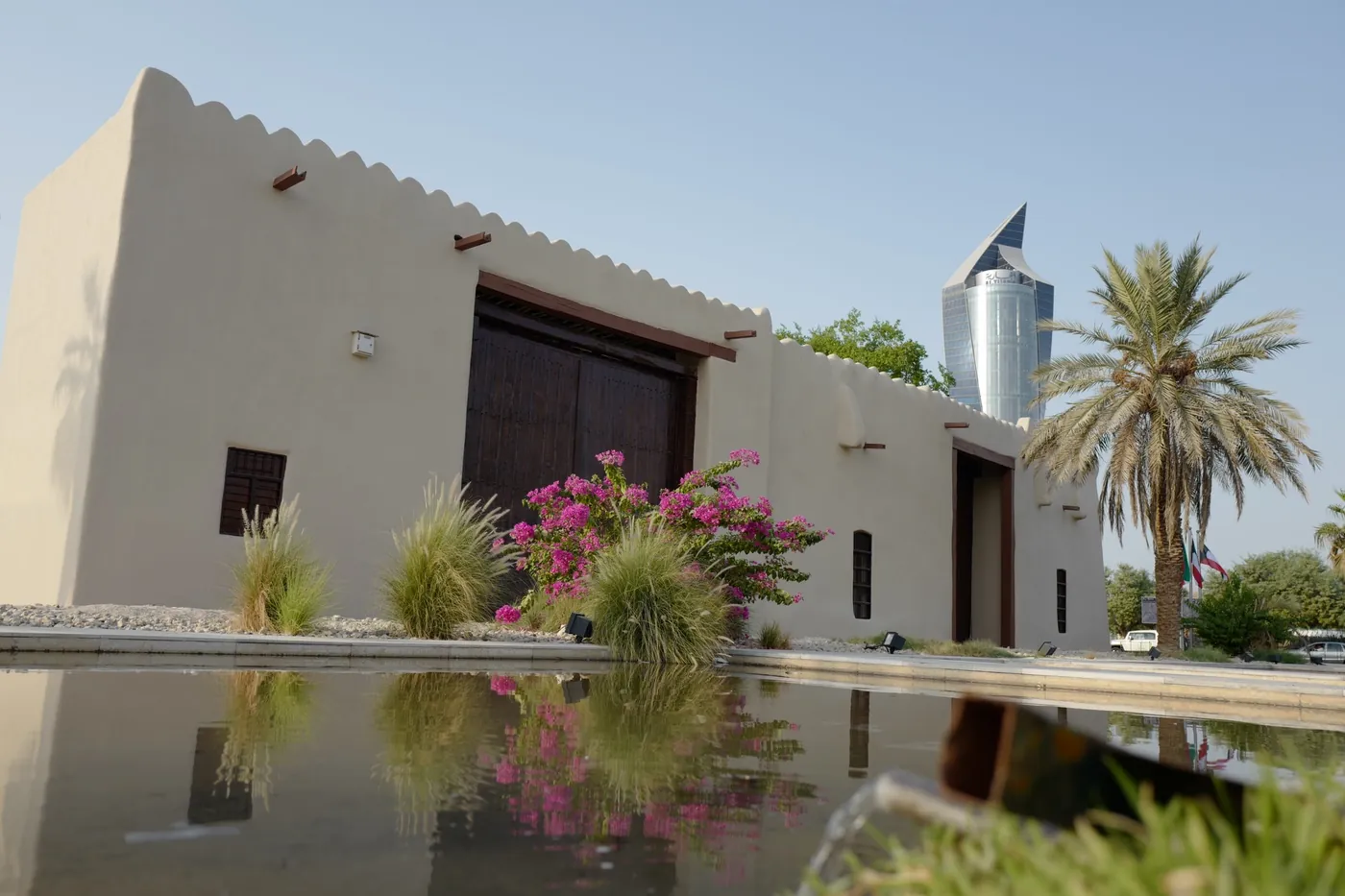
Arabian Gulf Street and Sadu House, Kuwait CityKuwait CityArabian Gulf Street and Sadu HouseOctober to March, late afternoon6
Al Shaheed Park, Kuwait CityKuwait CityAl Shaheed ParkOctober to March, late afternoon and evening7
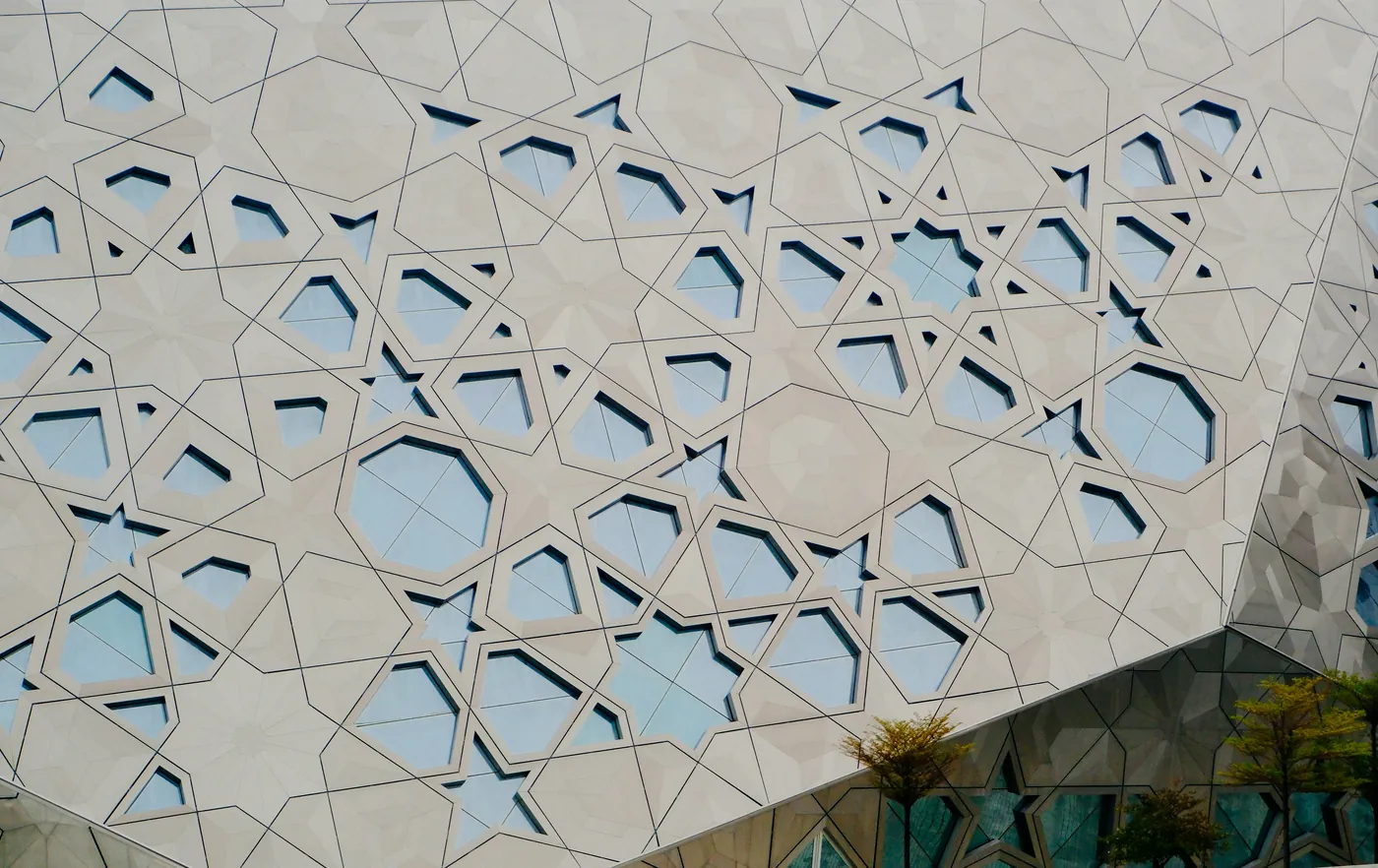
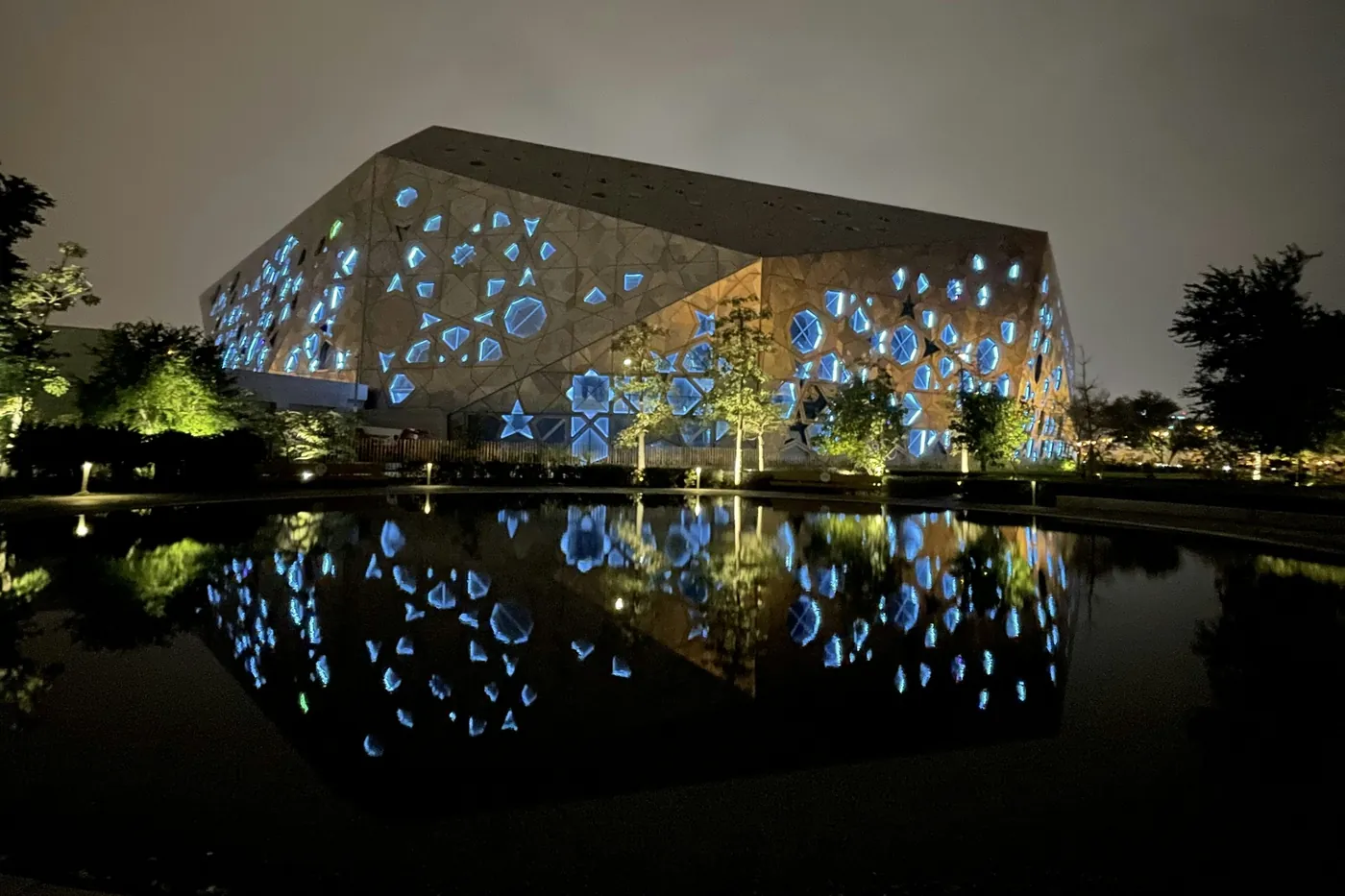
Sheikh Jaber Al-Ahmad Cultural Centre, Kuwait CityKuwait CitySheikh Jaber Al-Ahmad Cultural CentreOctober to March, for an evening show8

Salmiya and the malls

The family side of the coast: an aquarium under white sails, a marina full of cafés and the malls where Kuwait spends its weekends.

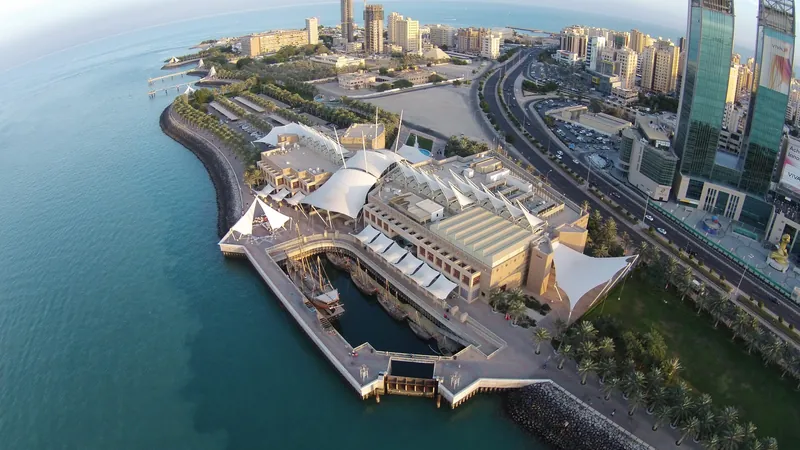
The Scientific Center, SalmiyaSalmiyaThe Scientific CenterAll year, indoors9
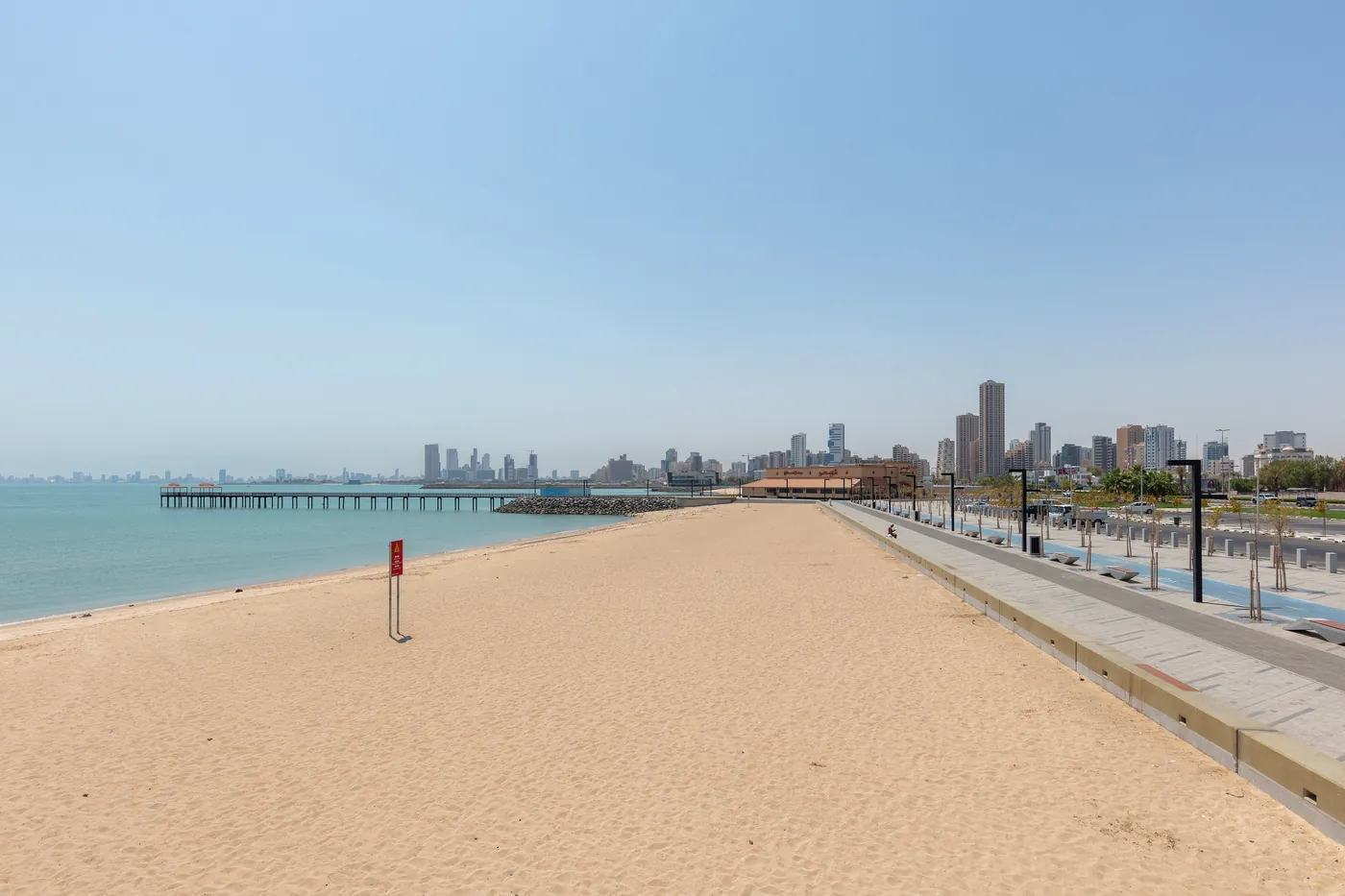
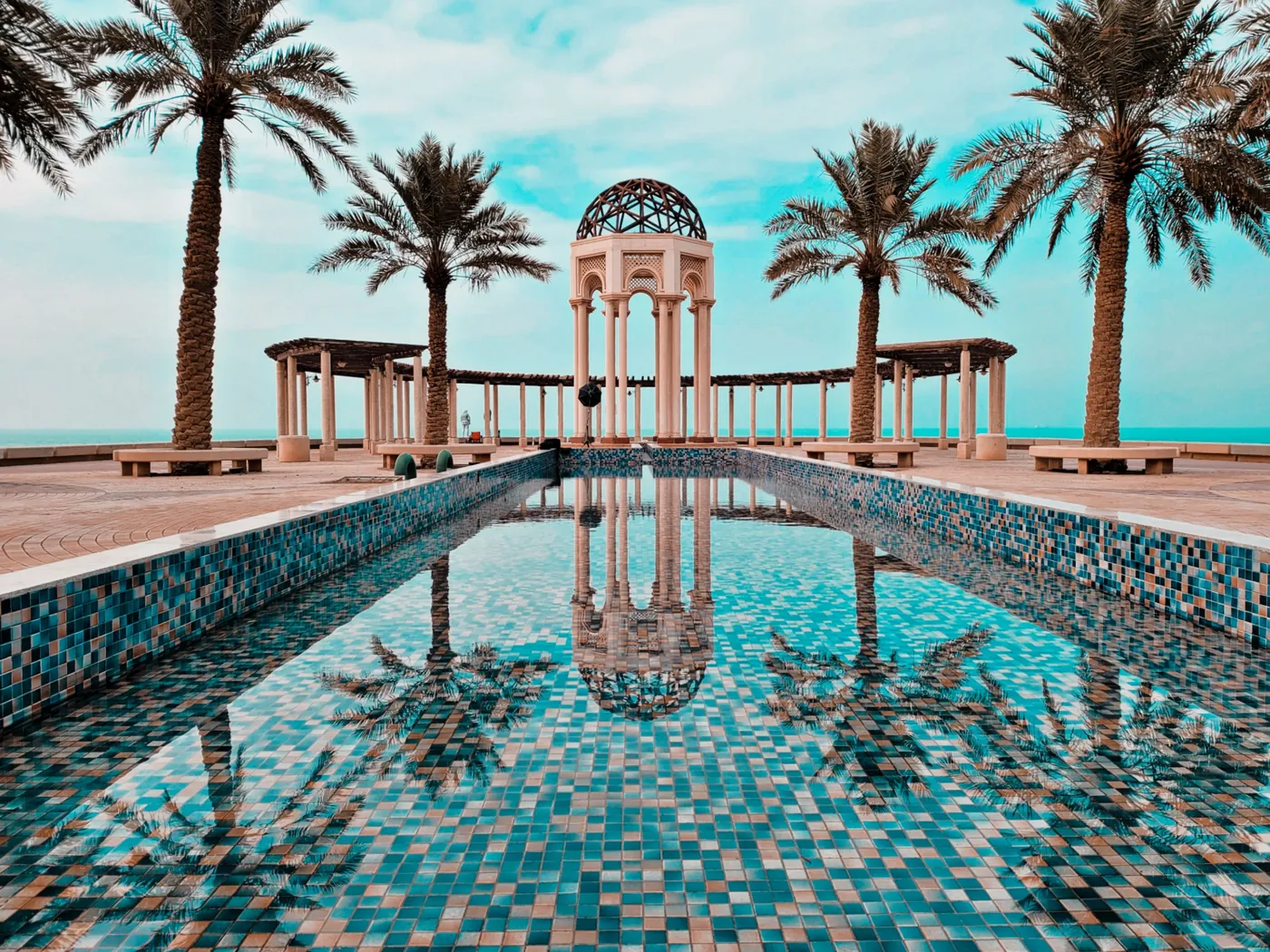
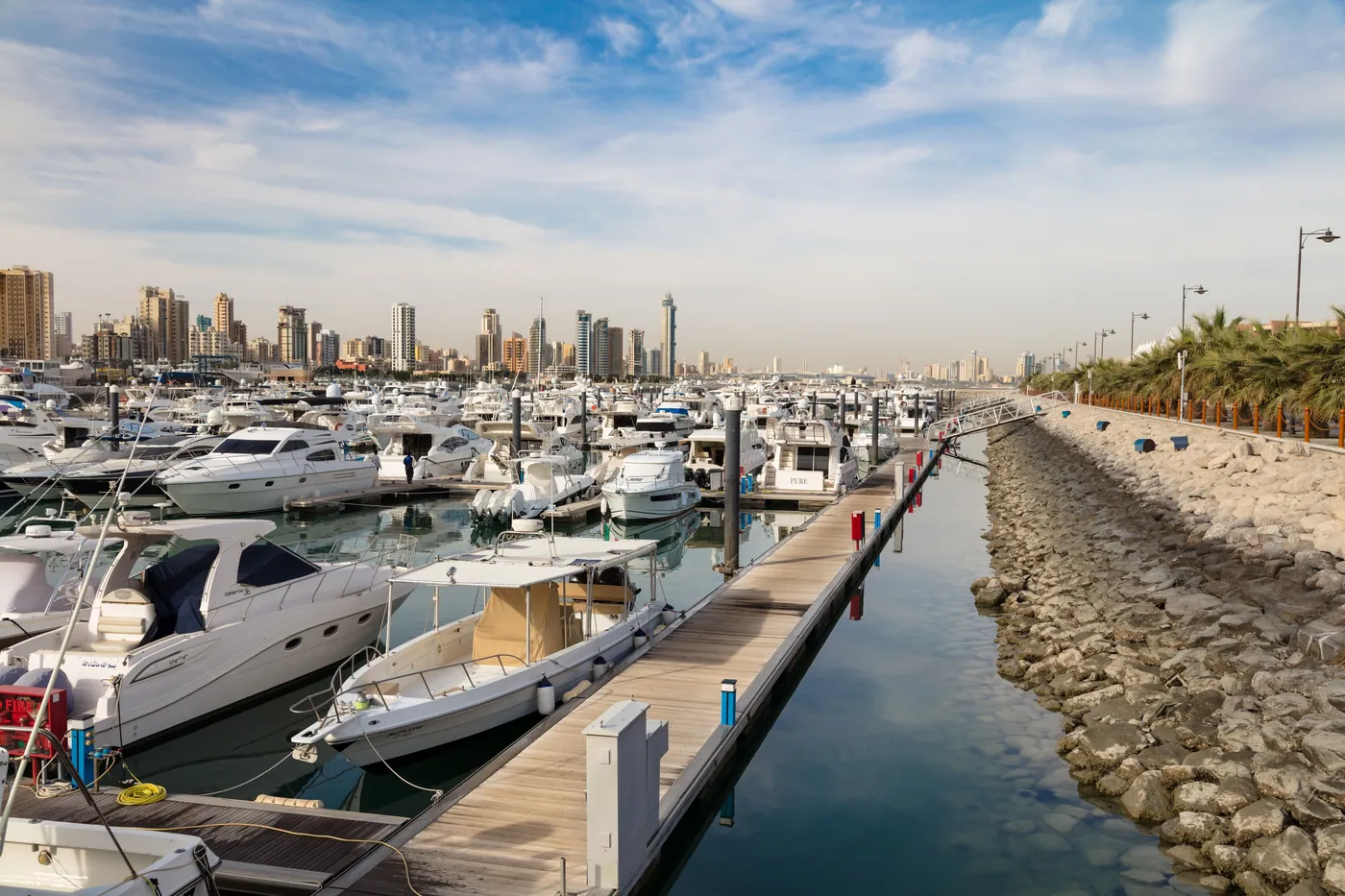
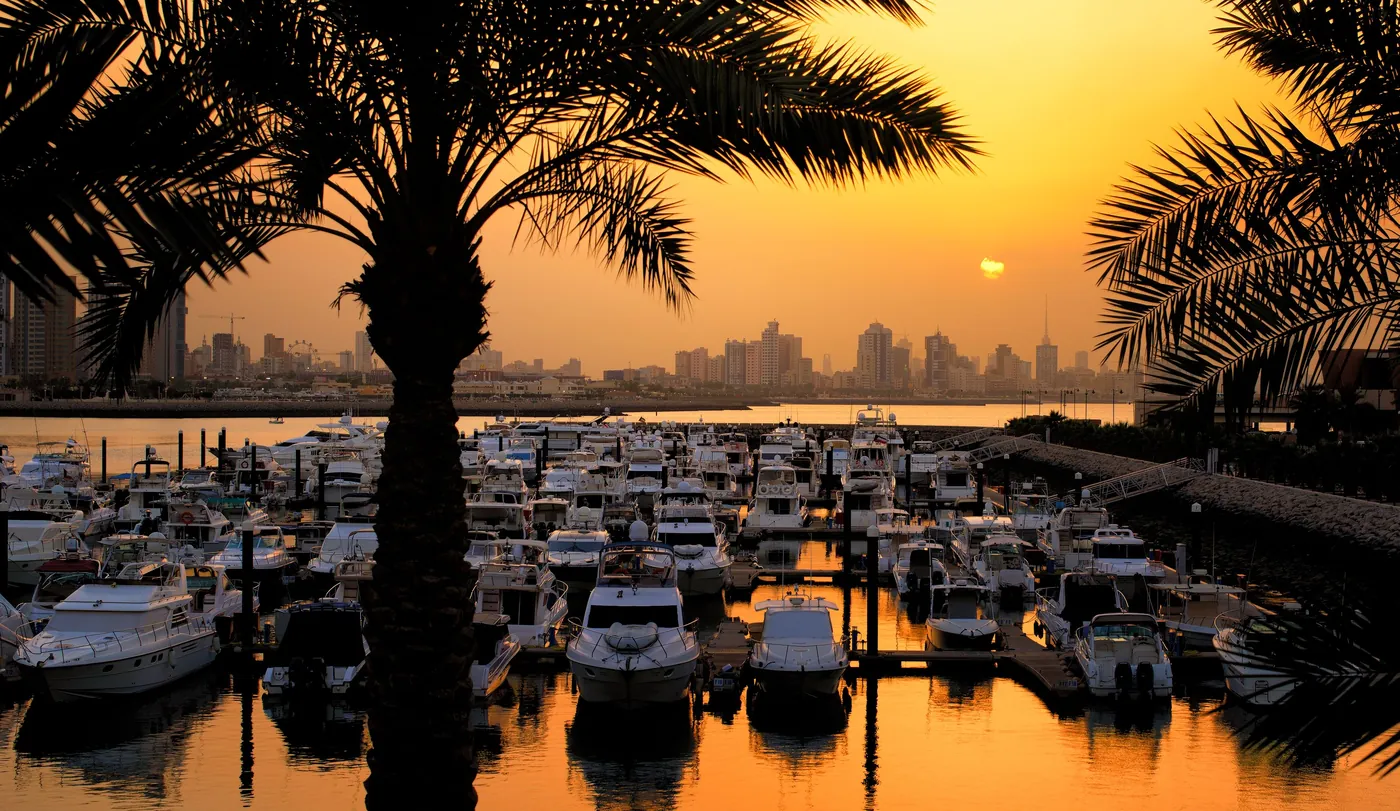
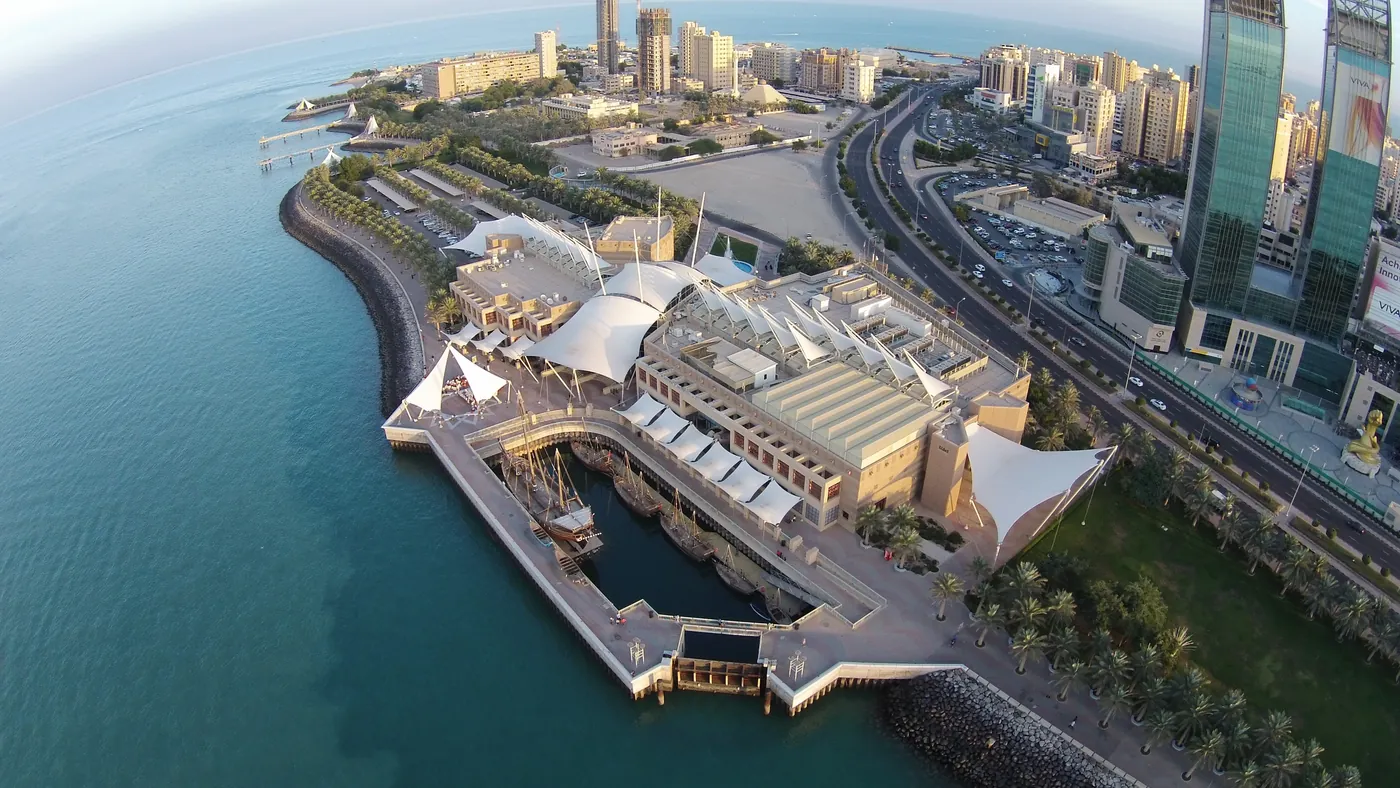
Marina Crescent and the Salmiya corniche, SalmiyaSalmiyaMarina Crescent and the Salmiya cornicheOctober to March, evenings10
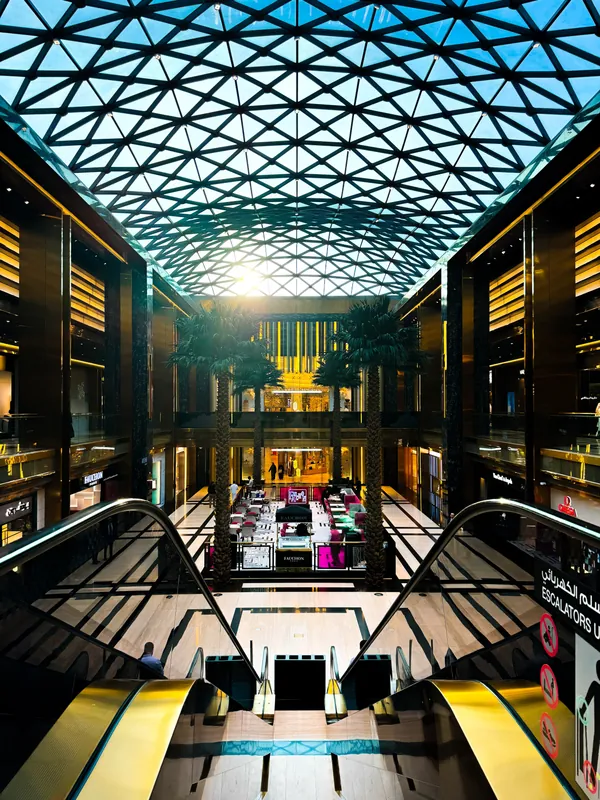
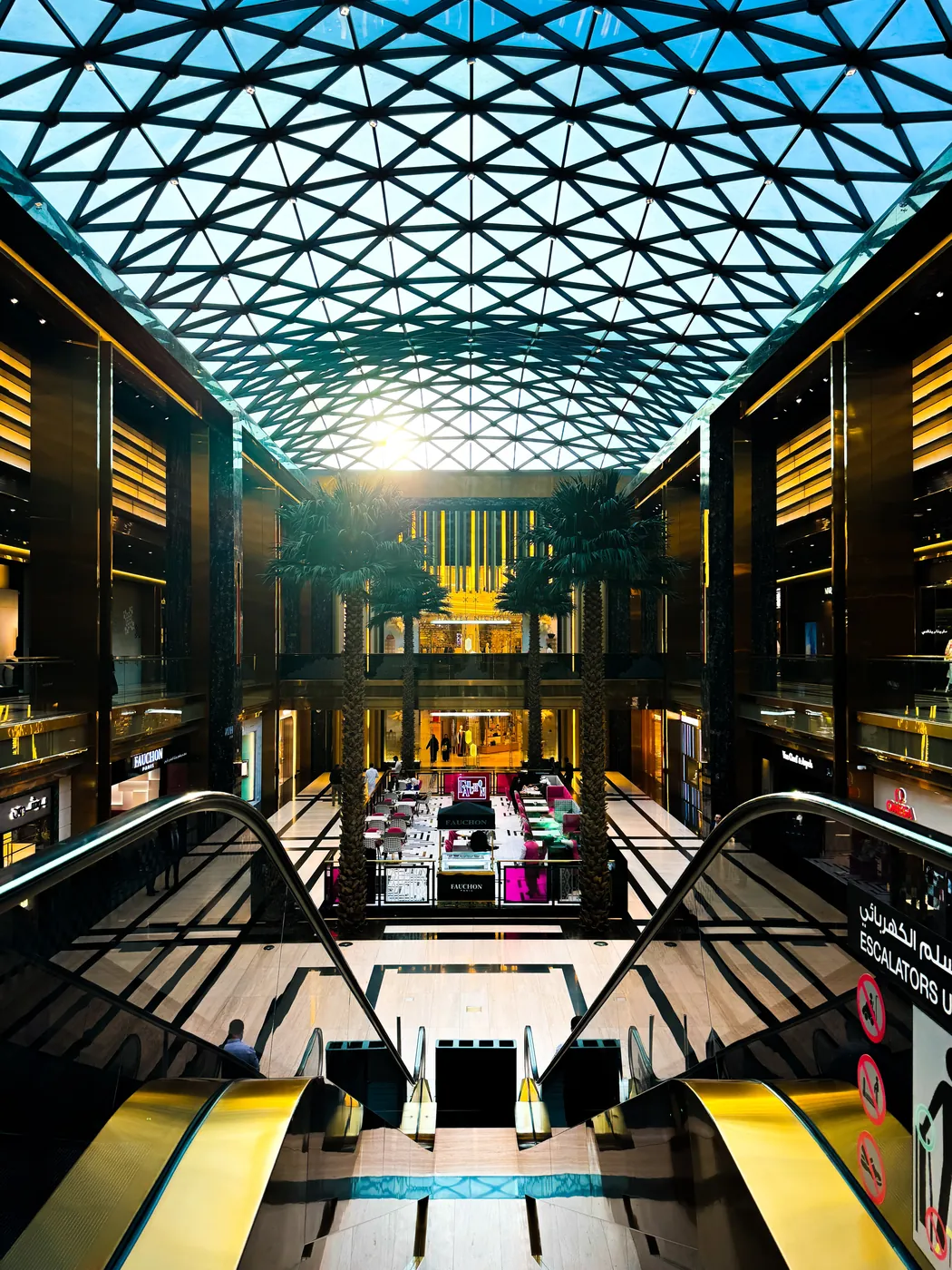
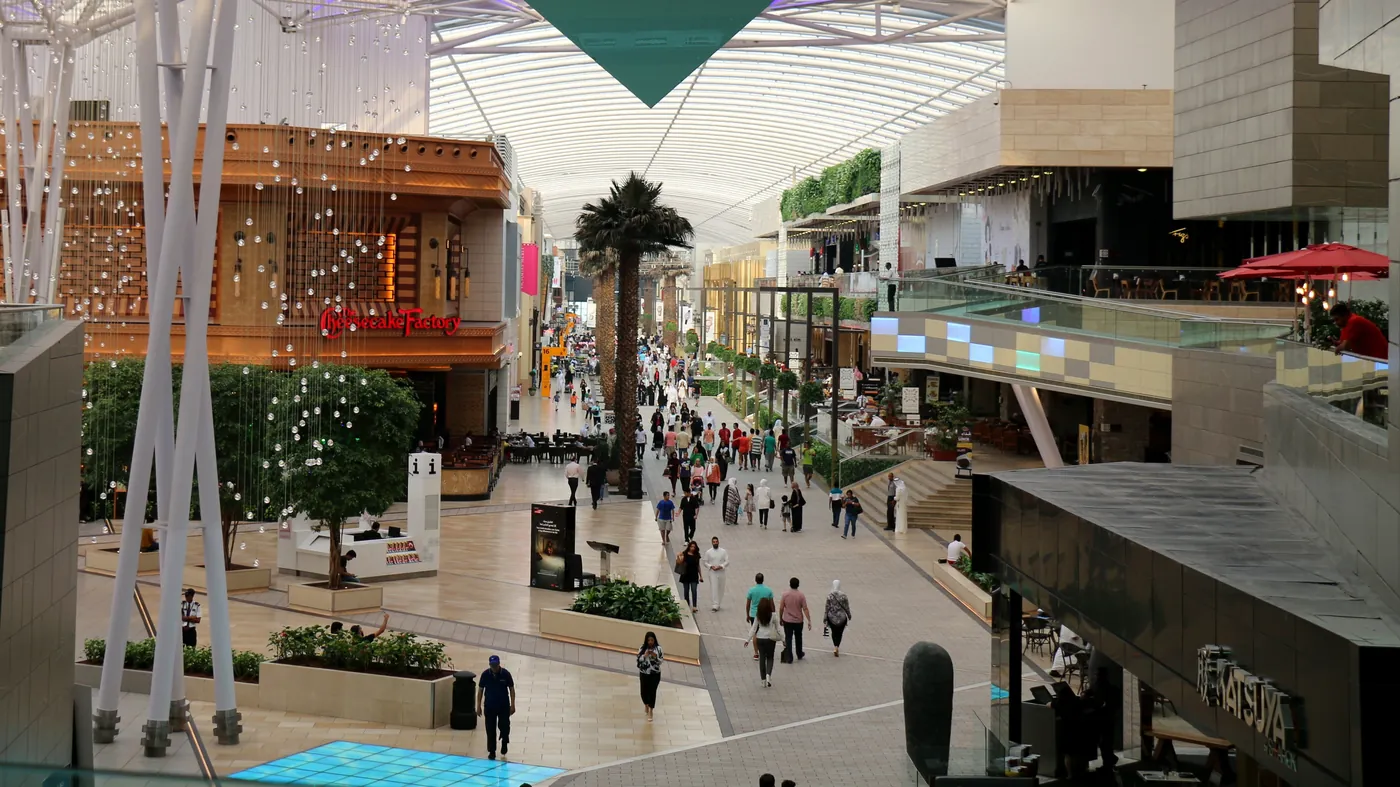
The Avenues and 360 Mall, Al Rai and South SurraAl Rai and South SurraThe Avenues and 360 MallAll year, weekday mornings11

Jahra and the north

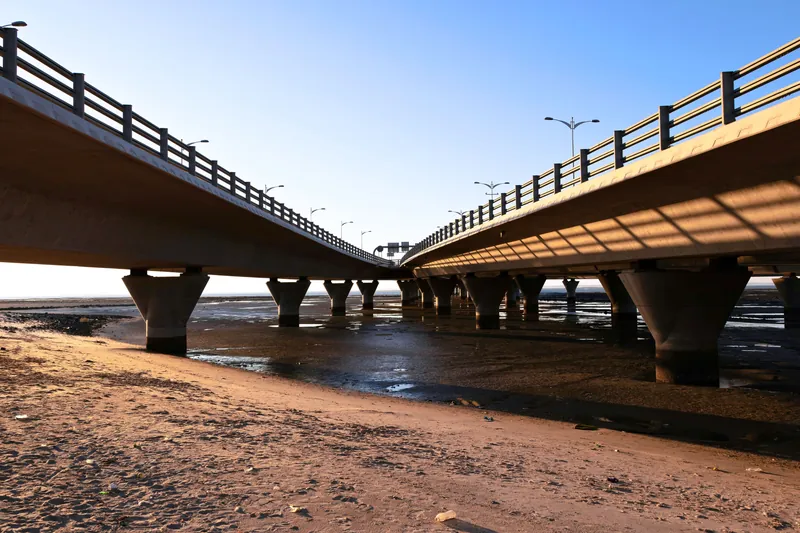
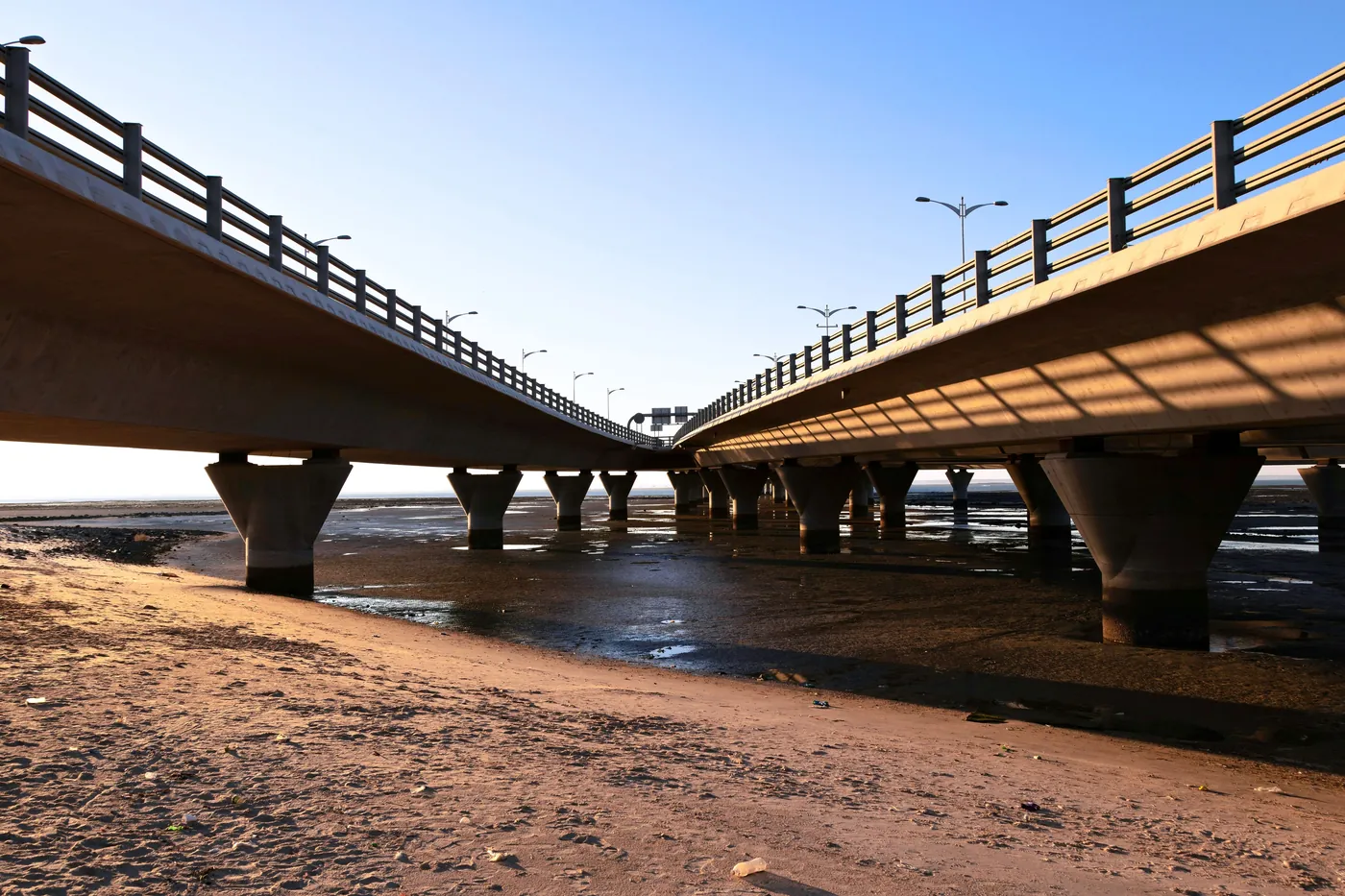
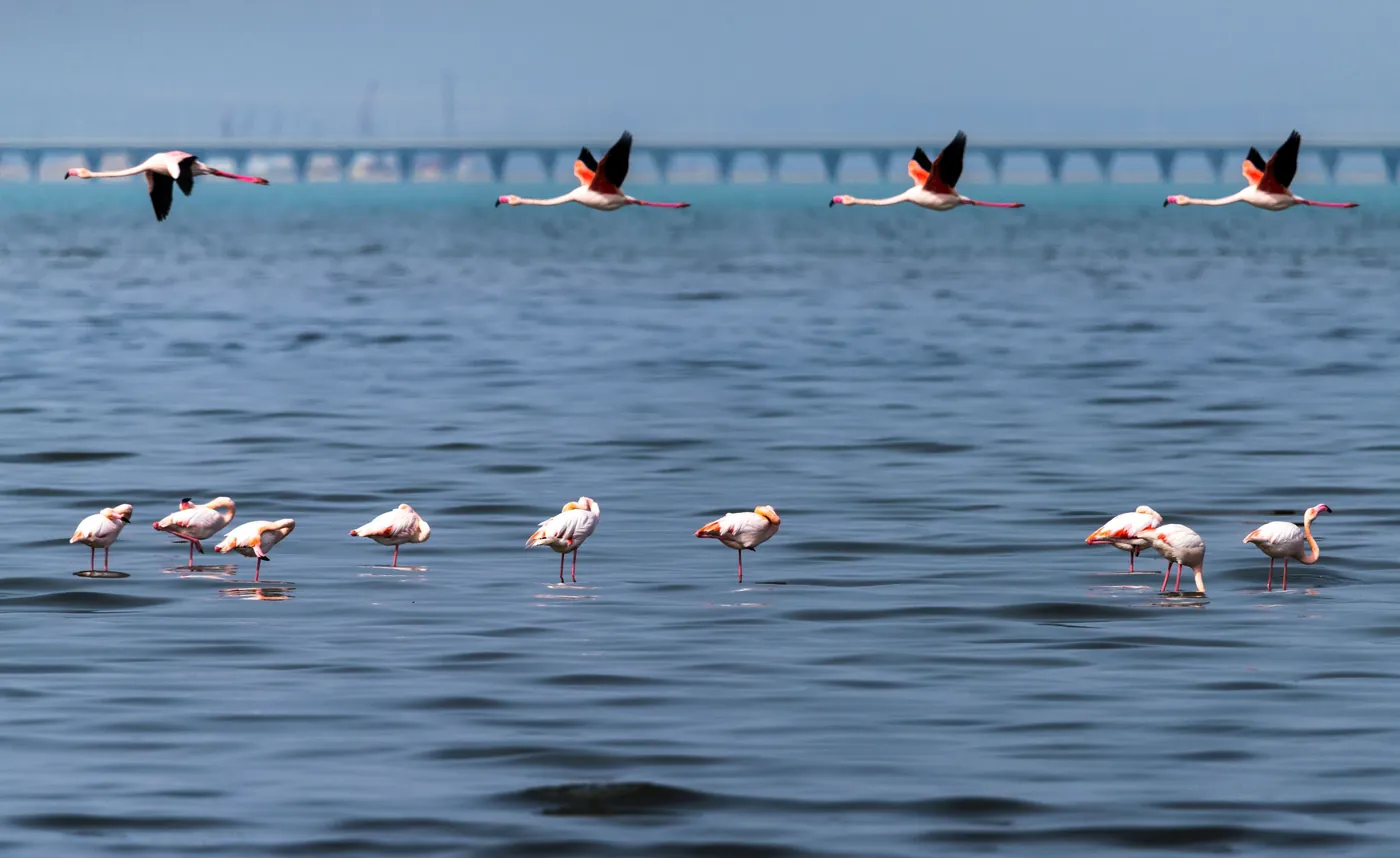
Over the bay on a 36 kilometre causeway, to a red mud fort, a reserve full of birds and the desert where Kuwait camps every winter.

Sheikh Jaber Al-Ahmad Causeway, Kuwait Bay to SubiyaKuwait Bay to SubiyaSheikh Jaber Al-Ahmad CausewayAll year, late afternoon12
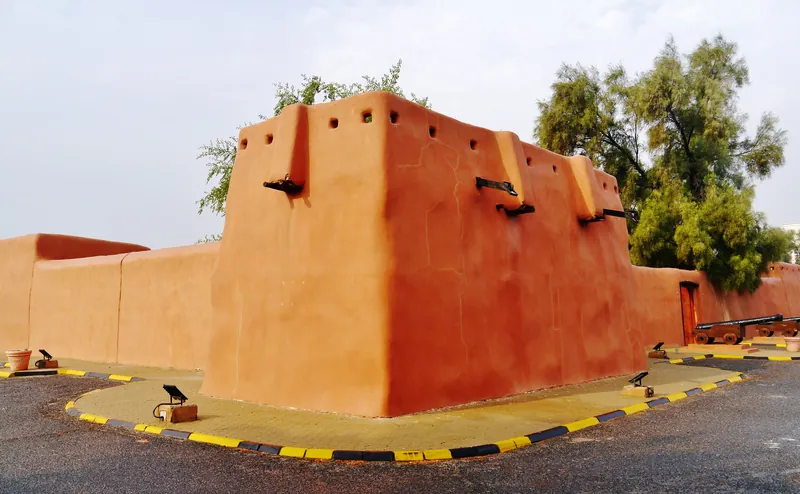
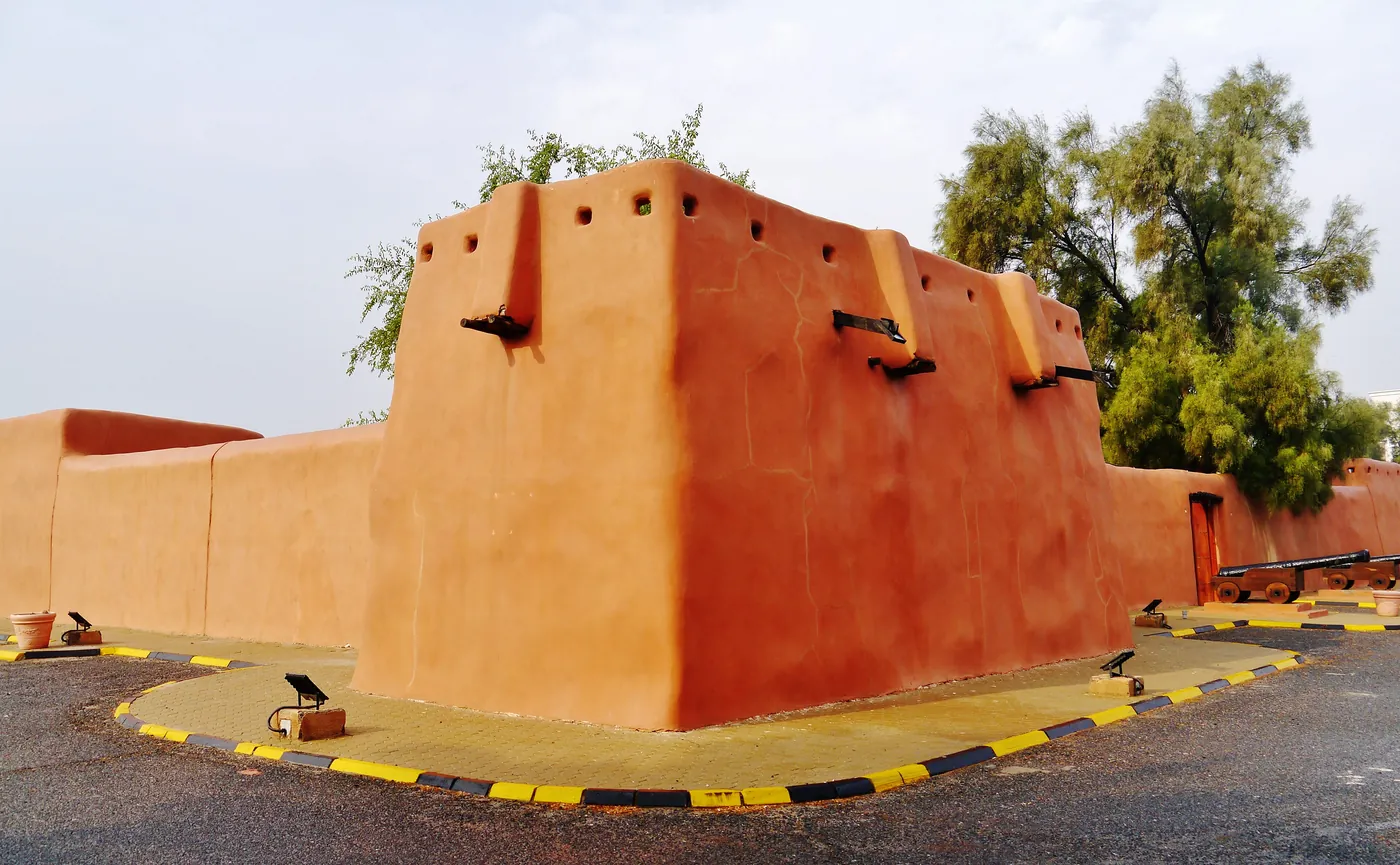
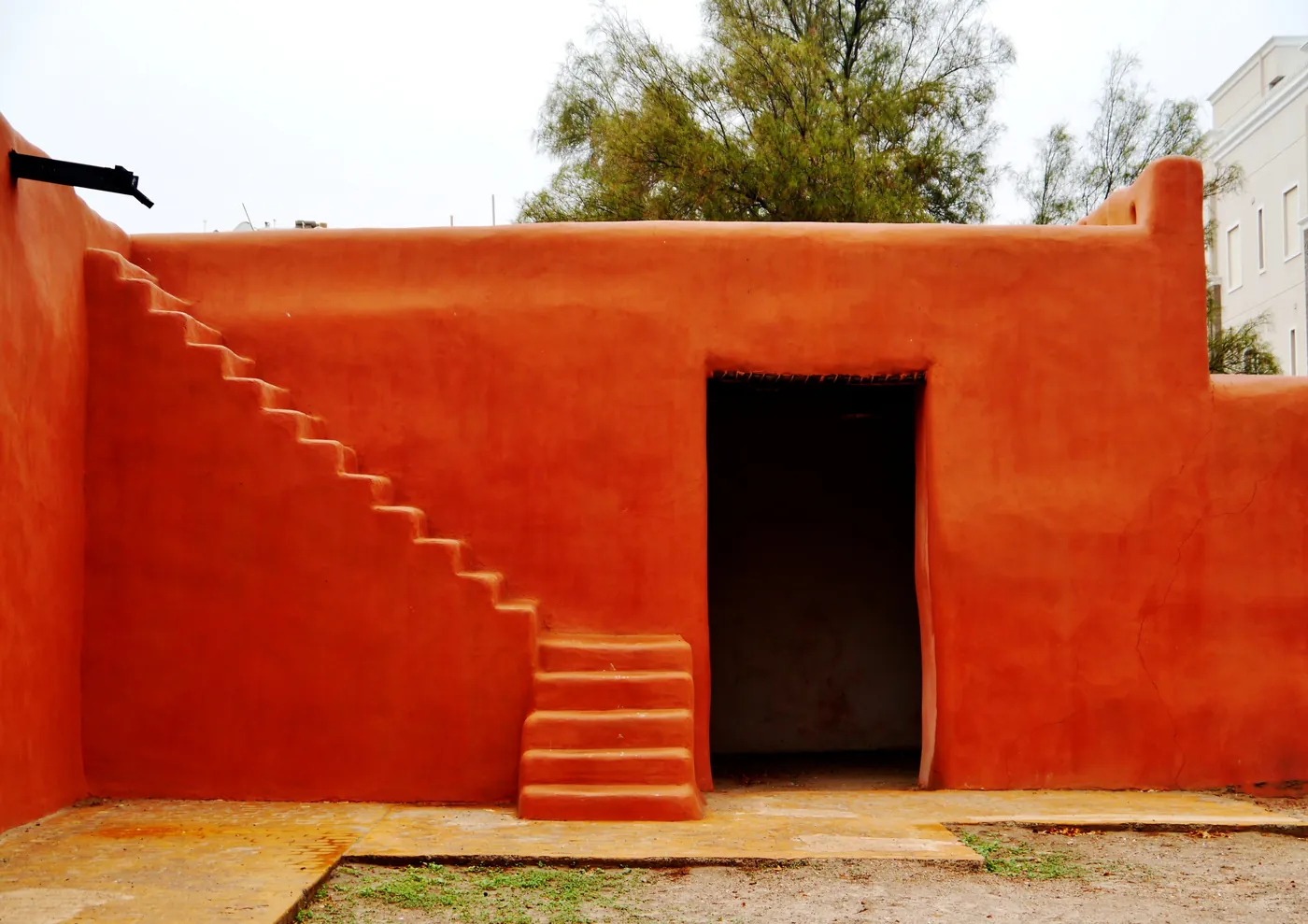
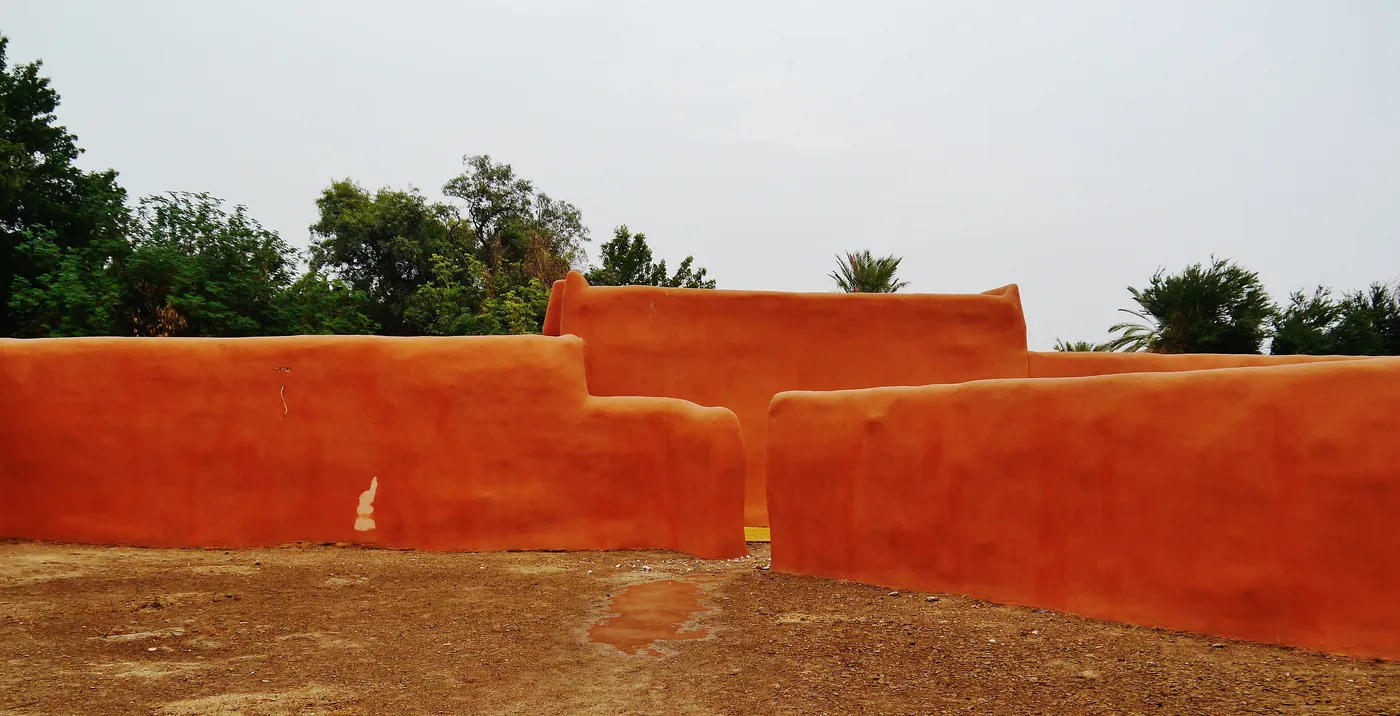
The Red Fort, Al Jahra, Al JahraAl JahraThe Red Fort, Al JahraNovember to March, late afternoon13
Jahra Nature Reserve, Al JahraAl JahraJahra Nature ReserveNovember to March, by appointment14
The spring camps and the Mutlaa desert, The northern desertThe northern desertThe spring camps and the Mutlaa desertUsually mid-November to mid-March15

Failaka and Al Khiran

Two sea escapes: an island of Greek ruins a ferry ride from Salmiya, and the calm southern lagoons of Al Khiran.

Failaka Island, Kuwait BayKuwait BayFailaka IslandNovember to March16
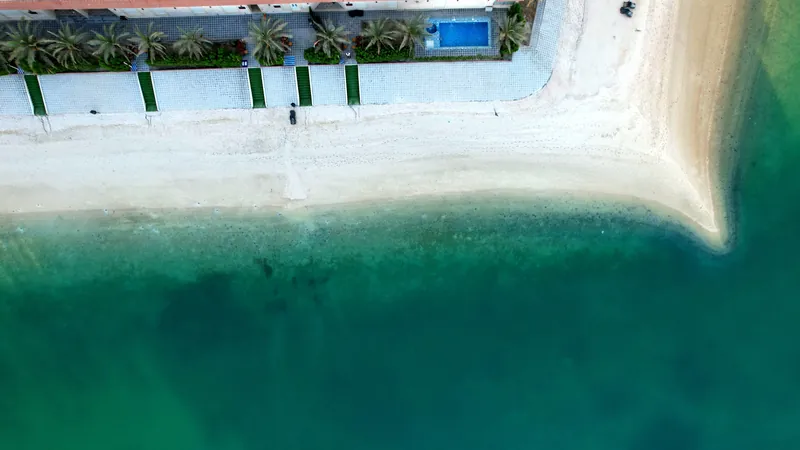
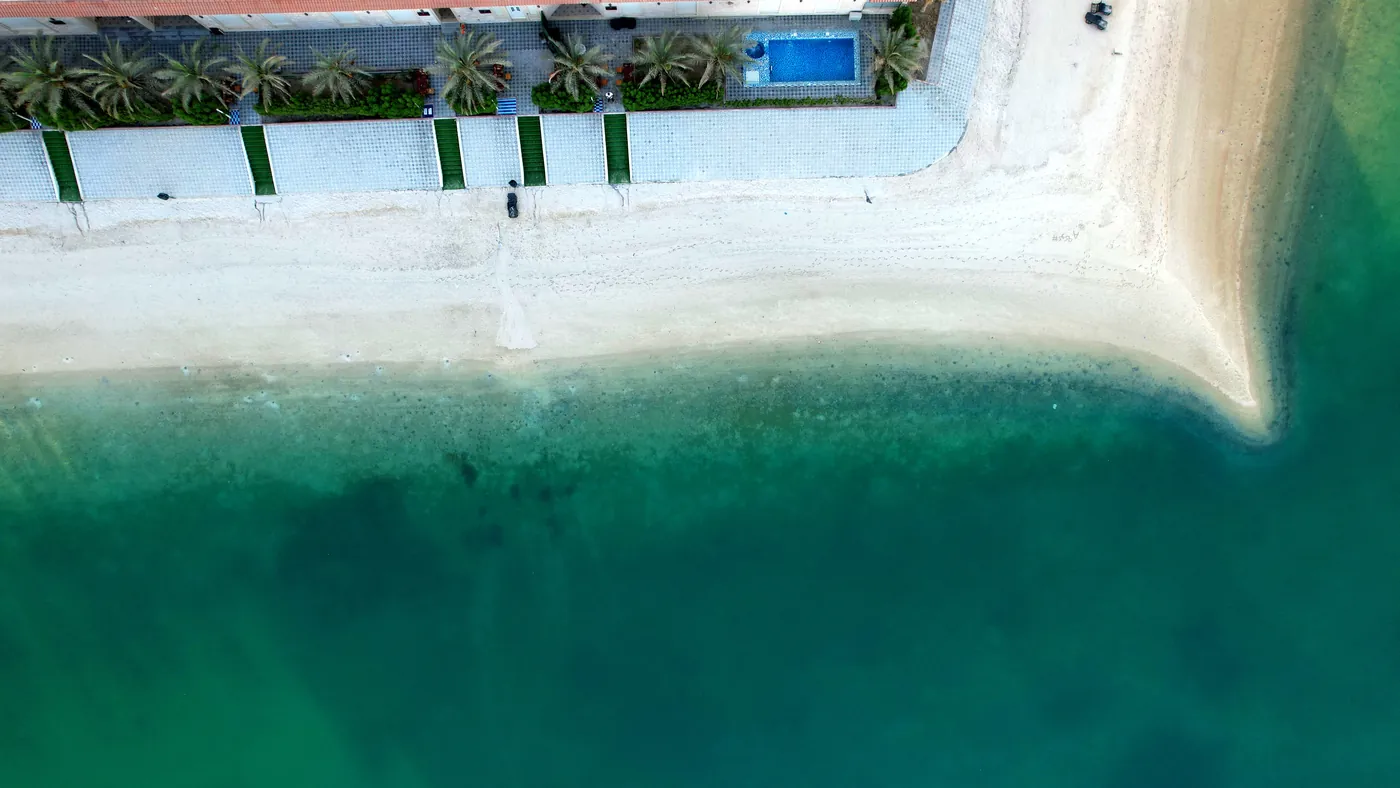
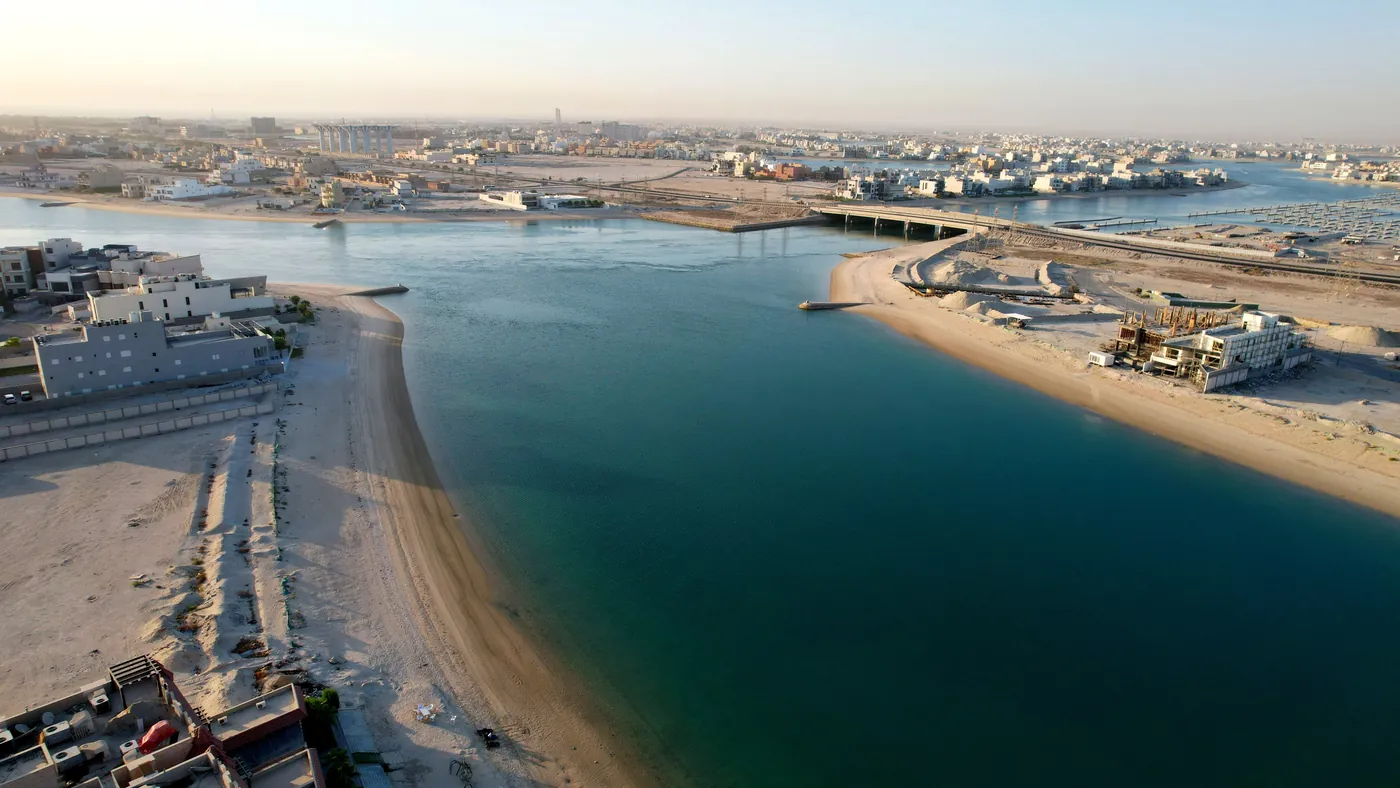
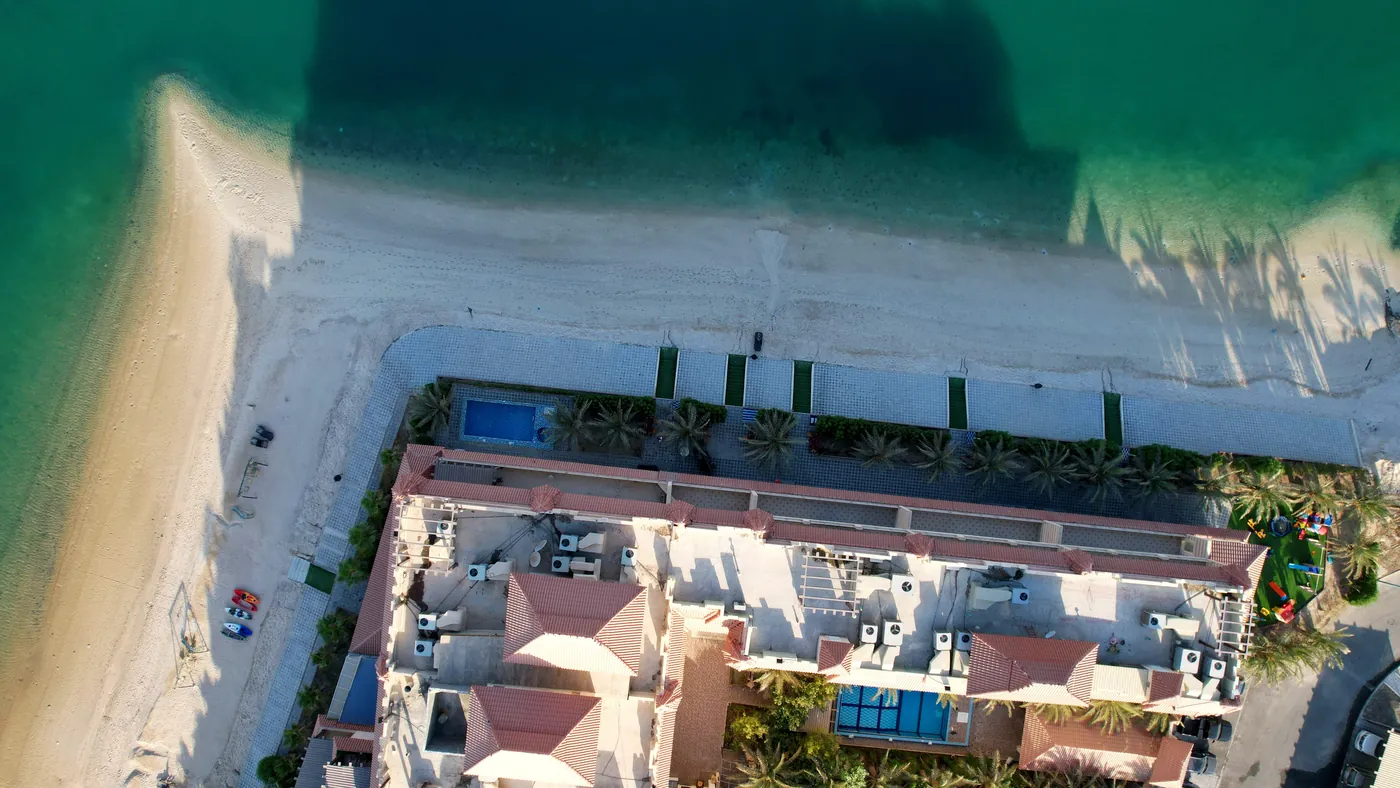
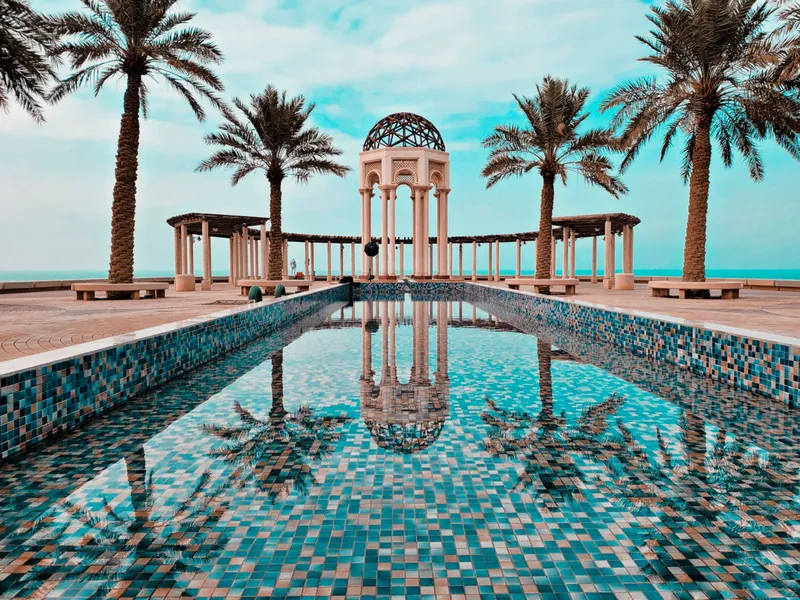
Al Khiran, Al KhiranAl KhiranAl KhiranOctober to April, early morning17
HomeBack to Al Mithaq Real Estate

What to eat

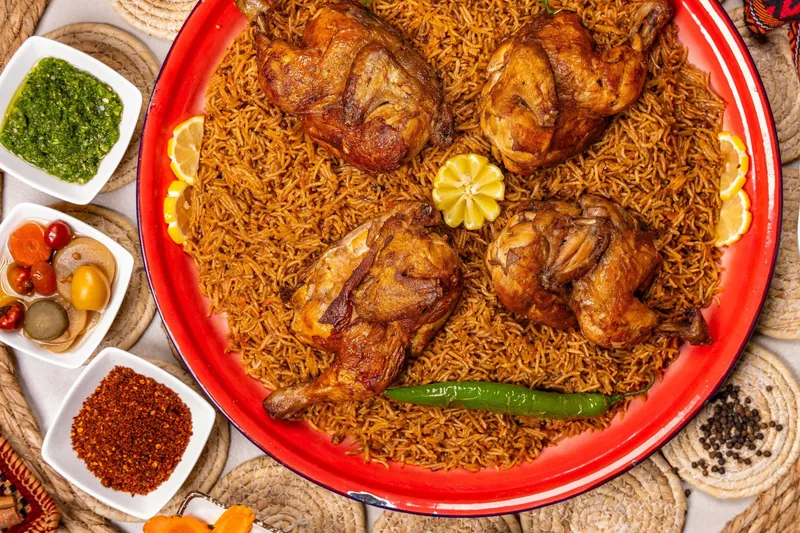
Machboos
Photo: Ali Dashti · Pexels License
01Machboos

The crown of every Kuwaiti table: chicken, lamb or fish over basmati rice cooked in its own spiced broth with loomi, the dried black lime, and served with daqqus, a tangy tomato sauce.

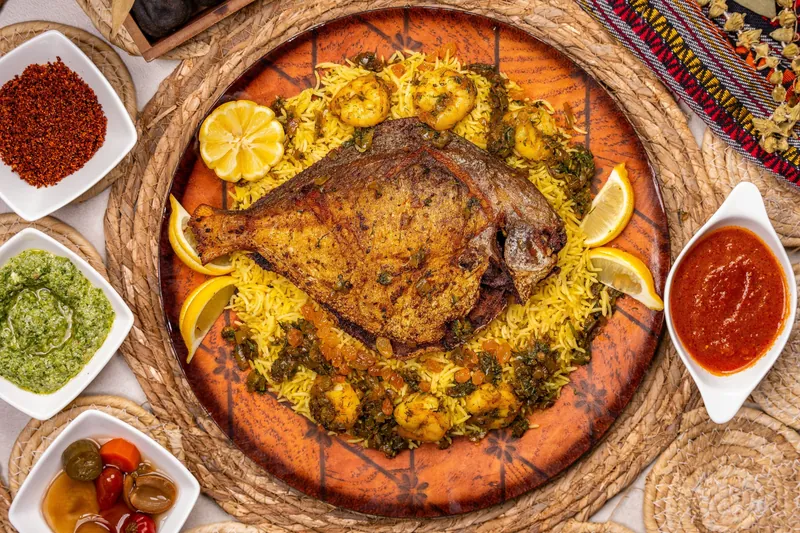
Mutabbaq zubaidi
Photo: Ali Dashti · Pexels License
02Mutabbaq zubaidi

Mutabbaq samak is Kuwait's best-loved fish dish: fish laid over rice cooked in a rich, spiced fish stock. Made with zubaidi, the silver pomfret Kuwaiti fishermen have prized for generations, it becomes a family feast.

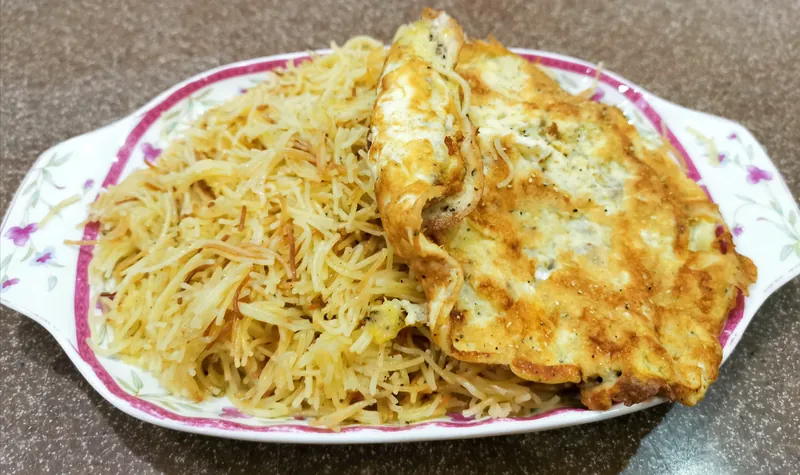
Balaleet
Photo: Droodkin · CC BY-SA 4.0 · Wikimedia Commons
03Balaleet

The Kuwaiti breakfast classic: sweet vermicelli with saffron and cardamom under a thin savoury omelette, on the table at weekends and in Ramadan.

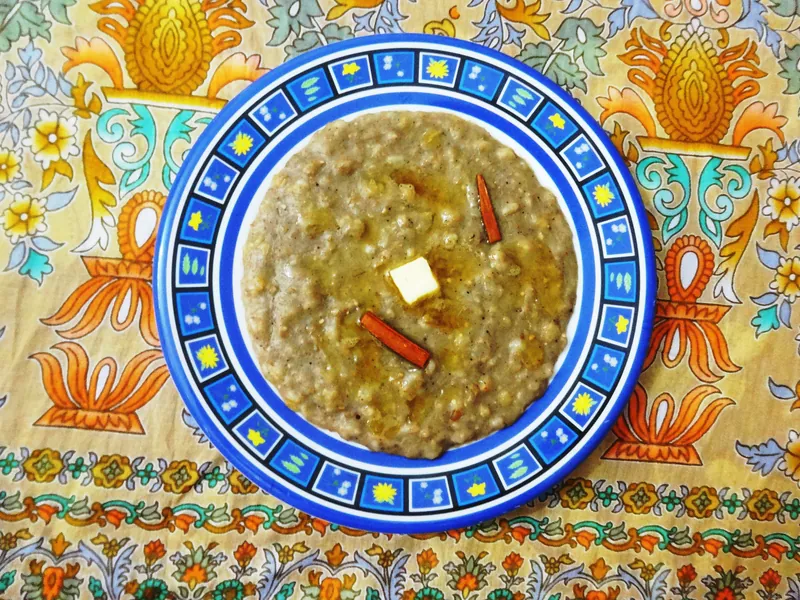
Harees
Photo: Miansari66 · CC0 · Wikimedia Commons
04Harees

Wheat cooked slowly with meat until it is smooth, then finished with ghee or cinnamon sugar: the dish every family makes for Ramadan nights.

Gers ogaily with gahwa
Photo: Slywire · CC BY-SA 4.0 · Wikimedia Commons
05Gers ogaily with gahwa

A light cake of eggs, flour and sugar scented with cardamom and saffron, cut in wedges and served with tea or pale Arabic coffee and dates when guests arrive.

What to wear

Kuwait dresses for two very different seasons: a long, fierce summer from late May to early November, with afternoon highs of 42 to 46°C at its peak, and a short, mild winter when the days are pleasant and desert nights turn properly cold. Modest clothing is the norm in malls, souqs and on the street, swimwear belongs at hotel pools and private beach clubs, and the air conditioning indoors is strong all year, so keep a light layer in the bag.

Women

  • Loose clothes that cover the shoulders and knees suit the souq, the malls and the waterfront; tight, very short or see-through outfits draw stares, even in the big malls.
  • Many Kuwaiti women wear the abaya and many wear Western fashion; visitors are not expected to wear an abaya, only to dress modestly, and Gulf visitors in their own abaya and shayla will feel at home.
  • For the Grand Mosque: a loose outfit to the ankles, sleeves to the wrist and a scarf over the hair; robes and scarves are usually lent at the entrance, but bring your own to be sure.
  • Swimwear is for hotel pools and private beach clubs; on public beaches swim in modest clothes, and wear a cover-up to cross a hotel lobby.

Men

  • Long trousers and a shirt or polo are the safe choice in public; shorts are seen in some malls, but keep them for the gym, the beach club and the hotel.
  • Keep your shirt on away from the pool and the beach, including on the Gulf Road walkways.
  • The white dishdasha with ghutra and agal is the national dress, and Gulf visitors in their own thobe blend in completely.
  • At the Grand Mosque men need trousers that cover the leg and a shirt with sleeves: no shorts, no vests.

Children and families

  • Children dress casually everywhere, with modest cover for the mosque visit.
  • Hats, sunglasses and long-sleeved swim tops all year; from May to October keep outdoor play to the early morning and the evening.
  • A light jacket or cardigan for everyone: malls, cinemas and restaurants are kept very cool through the summer.
  • For a winter night in a desert camp, pack warm pyjamas, hats and thick socks for the children: January nights in the open desert can fall close to freezing.

By season and weather

  • Late May to early November: highs usually 42 to 46°C, and the record at the airport is 51.3°C. Dust storms come in June and July, and heavy humidity from late July into October. Loose cotton or linen, a hat and sunglasses, and days built around the morning, the evening and indoor places.
  • December to February: days around 18 to 20°C and nights near 8°C in the city, colder and windier in the desert, where frost is not unknown; a sweater and a proper jacket for the evenings.
  • March to May: warm days that can jump to summer heat for a few days at a time, with thunderstorms and sudden dust storms in March and April; carry a scarf or mask for the dust and a light layer for cooler evenings.
  • Rain is rare and falls mostly between November and March, yet one heavy downpour can flood roads; check the Meteorological Department's warnings before a long drive.

Special places

  • The Grand Mosque: full cover for everyone and shoes off inside; guided tours run Sunday to Thursday outside prayer times, and hours change in Ramadan, so check before you go.
  • Souq Al Mubarakiya: a working old market where Kuwaiti families shop and eat; dress as you would for a family visit, and ask before photographing anyone.
  • Desert camps, usually mid November to mid March: warm layers, closed shoes and a windproof jacket. Stay on clearly marked tracks, as official travel advice recommends, because old unexploded items can still be found in the open desert.
  • Public beaches along Gulf Road: modest swimwear or a T-shirt over it for everyone; hotel and private beach clubs follow resort norms.

Culture and customs

01

Greetings and gahwa

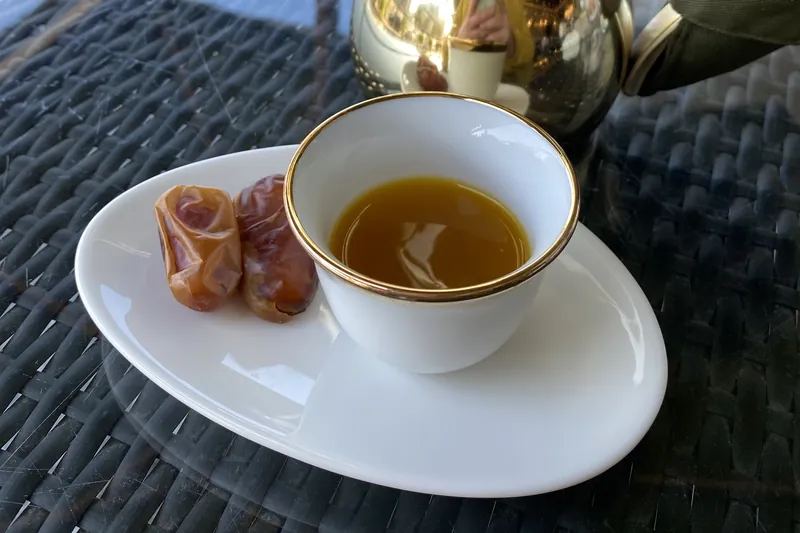
Greet with as-salamu alaykum; whoever walks into the room greets first. Men shake hands and friends often kiss on the cheek; with a woman, wait for her to offer her hand. Gahwa, pale and scented with cardamom, is poured from the dallah into small cups filled only partway, usually with dates beside it. Take and return the cup with your right hand, and shake it gently when you have had enough.

02

The diwaniya

The diwaniya is the heart of Kuwaiti social life: a reception room, often with its own door to the street, where the men of a family meet neighbours and friends, mostly after sunset, over coffee and talk of family, work and the news of the day. UNESCO added it to its intangible heritage list in December 2025. Visitors usually go as someone's guest; greet the host and the elders first and take the coffee you are offered.

03

Friday prayer and the weekend

The weekend is Friday and Saturday, and government offices and banks work Sunday to Thursday. Friday noon prayer, the most important of the week, begins between about 11:30 and midday depending on the season. Keep Friday morning slow, plan sightseeing for after the prayer, and book the Grand Mosque visit for Sunday to Thursday.

04

Ramadan

During Ramadan, eating, drinking or smoking in public in daylight is an offence for everyone, visitors who are not fasting included. A 1968 law allows a fine of up to KD 100, up to a month in prison, or both. Restaurants and cafés stay shut to diners during fasting hours, office hours shorten, and after sunset the city comes alive. The greeting is Ramadan Kareem.

05

Alcohol and pork

Alcohol is illegal in Kuwait: there are no bars, hotels do not serve it, and bringing any into the country, duty free included, is a criminal offence. Pork and pork products are banned from import as well, so you will not find them on menus. Drink-driving is a serious offence: any alcohol found in your system can lead to a fine, prison or deportation and the loss of your licence.

06

Photographing people and places

Ask before you photograph anyone, women and families especially: photographing or filming people without their consent is a crime in Kuwait. Never photograph military, police, government or oil sites. Flying a drone needs approval from the Ministry of Interior, so leave the drone at home. The towers, the souq, the dhows and the sea are all yours to shoot.

07

Local dress and public manners

Kuwaiti men wear the white dishdasha with the ghutra and agal, and the bisht cloak on formal occasions; many Kuwaiti women wear the abaya, and many dress in smart Western fashion. Visitors are not expected to copy either, only to dress modestly. Keep affection private, and never swear or make rude gestures in traffic: insulting someone in public can lead to arrest.

08

Driving and roundabouts

Traffic drives on the right, speeds are high and sudden lane changes are common, so drive defensively. Approach roundabouts slowly, be ready to stop, and give way to cars already circling. Since April 2025 fines are steep, with cameras watching: KD 75 for using a phone and KD 30 for no seatbelt, and children under 10 must ride in the back. After a minor accident, take photos, move the car aside and call 112.

09

Tipping

Tipping is welcome but never a duty. Check the bill first: hotels and larger restaurants often add a service charge, and where there is none, about 10 percent is fair. Taxi drivers do not expect a tip, though rounding up is kind, and a small note for the valet, the porter or the petrol station attendant is always appreciated.
Good to know

  1. Dress modestly in public: shoulders and knees covered in the souqs, museums and mosques, where women also cover their hair. Swimwear is for the beach and the pool.
  2. The weekend is Friday and Saturday; Friday mornings are quiet until after the midday prayer, and the malls and the corniche fill up in the evening.
  3. From May to September the days are fiercely hot; keep outdoor plans for winter, early mornings or after sunset, and spend the middle of the day indoors.
  4. Taxis and ride apps are easy in the city, but a hire car is simplest for Jahra, the causeway and Al Khiran; drive defensively, keep to the limits and carry your insurance papers.
  5. Alcohol is illegal in Kuwait: it is not sold anywhere, and bringing it in or carrying it can lead to fines, prison or deportation.
  6. In Ramadan, do not eat, drink or smoke in public in daylight, even in your car, and expect shorter hours; after sunset the souqs, diwaniyas and cafés come alive.

Questions people ask

When is the best time to visit Kuwait?

November to March, when days are mild and nights are cool enough for the corniche, the souq and the desert camps. From May to September it is very hot, so plan for museums, malls and the aquarium.

How long is the flight to Kuwait from other Gulf capitals?

About 1 hour 15 to 1 hour 30 minutes from Riyadh, Bahrain and Doha, about 2 hours from Dubai and Abu Dhabi, and about 2 hours 15 minutes from Muscat, flying nonstop.

Do GCC citizens need a visa for Kuwait?

No. GCC citizens enter with their national ID card. Everyone else should check the Ministry of Interior's official visa portal, kuwaitvisa.moi.gov.kw, before travelling.

What is Kuwait famous for?

The Kuwait Towers on the bay, the old Souq Al Mubarakiya, the diwaniya and its gahwa, machboos, and the winter desert camps, when much of the country moves outdoors.

How many days do you need in Kuwait?

Three days cover Kuwait City, Salmiya and the main museums comfortably. Add a day for Jahra or a desert camp, and another for Failaka Island or a weekend by the water in Al Khiran.

What should I wear in Kuwait?

Loose, modest clothes that cover the shoulders and knees in malls, souqs and on the street, with swimwear only at hotel pools and private beach clubs. Pack light cotton or linen for the summer heat, a warm jacket for winter evenings, and a layer for the strong air conditioning indoors.

Is alcohol allowed in Kuwait?

No. Alcohol is illegal in Kuwait, hotels do not serve it, and bringing any into the country, even from duty free, is a criminal offence. Pork and pork products are also banned from import.

Can visitors eat in public during Ramadan in Kuwait?

No. Eating, drinking or smoking in public in daylight during Ramadan is an offence for everyone, with a fine of up to KD 100, up to a month in prison, or both. Eat in private until sunset; restaurants open to diners from around iftar.

Can non-Muslims visit the Grand Mosque in Kuwait?

Yes. Free guided tours run Sunday to Thursday outside prayer times. Women cover the hair, arms and legs, and robes are usually lent at the entrance; men wear long trousers and sleeves. Hours change in Ramadan, so check before you go.

What is a diwaniya in Kuwait?

A reception room or tent where Kuwaiti men gather with family, neighbours and friends, mostly in the evening, over coffee and conversation. It is so central to life in Kuwait that UNESCO listed it as intangible cultural heritage in 2025. Visitors usually attend as someone's guest.

Does it get cold in Kuwait in winter?

Yes, at night. January days are mild, around 18 to 20°C, but nights fall to about 8°C in the city and lower in the open desert, sometimes close to freezing. Bring a warm jacket for evenings and for desert camps, which usually run from mid November to mid March.

HomeBack to Al Mithaq Real Estate
Sources we checked (84)
Photo credits

More travel notes

After the trip

Love Kuwait? Land and chalets in Al Khiran.

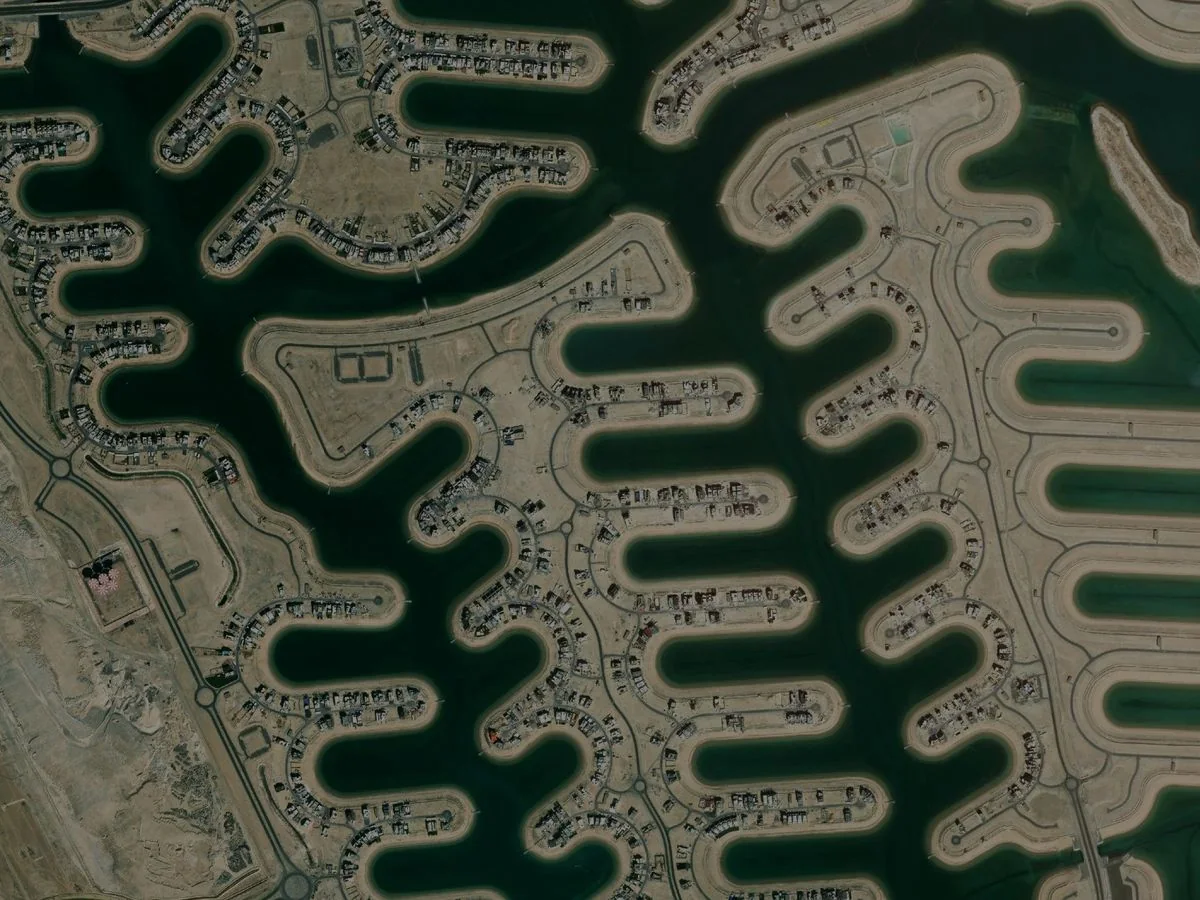
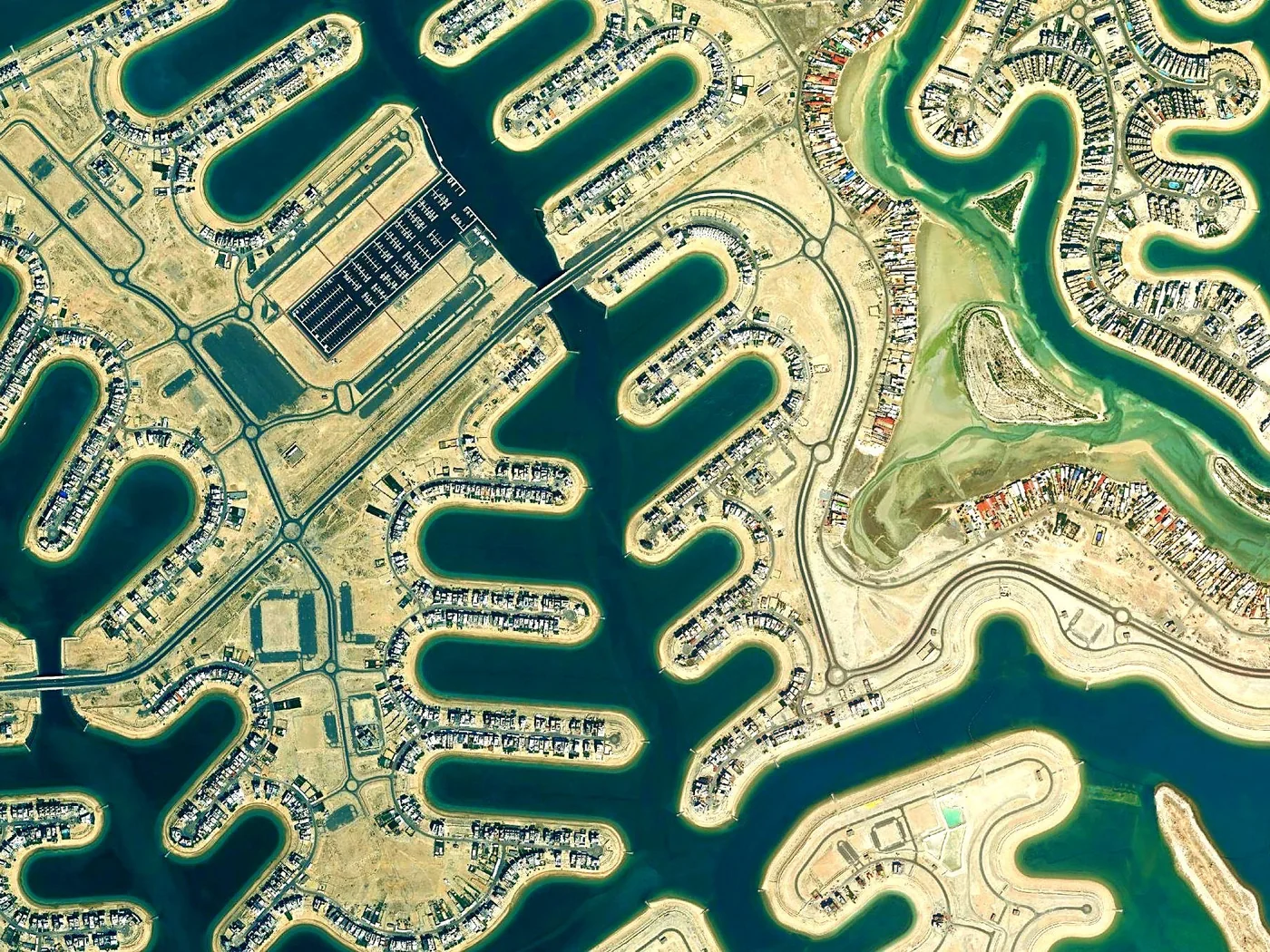
Al Mithaq sells plots in Sabah Al Ahmad Sea City in Al Khiran, where every home can sit on the water, and chalets on the southern coast.

See homes in Kuwait

What are you looking for in Kuwait?

Step 1 of 2 · tap one

Where can we reach you?

Your details go only to Al Mithaq Real Estate. We call you back the same working day.

Thank you. We will call you soon. Taking you to our home page now.

Go to the home page