Kuwait issues Decree-Law No. 121 of 2026 on jointly owned family homes: co-owners may buy out a partner instead of an auction
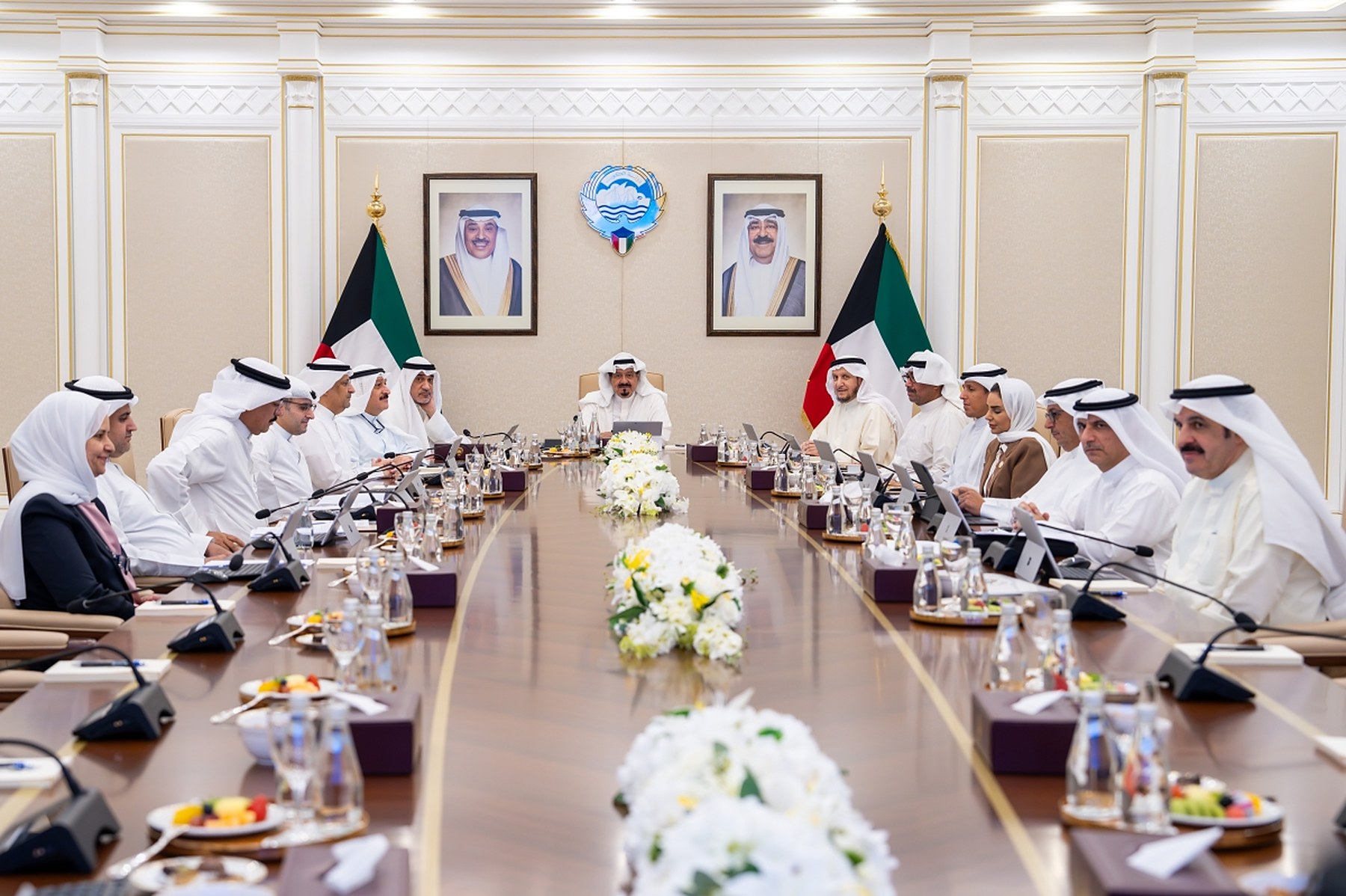
Decree-Law No. 121 of 2026, amending Article 830 of the Civil Code, has been issued, KUNA reported on 19 October, giving 18 October as the decree's publication date. It adds two clauses for residential property owned by several people together: a court may keep the home in joint ownership for a set period if it is a co-owner's only home, and during a partition case the other co-owners may take over the share of the partner seeking partition at a value set by a court expert. The Cabinet approved the draft on 6 October.
What was issued
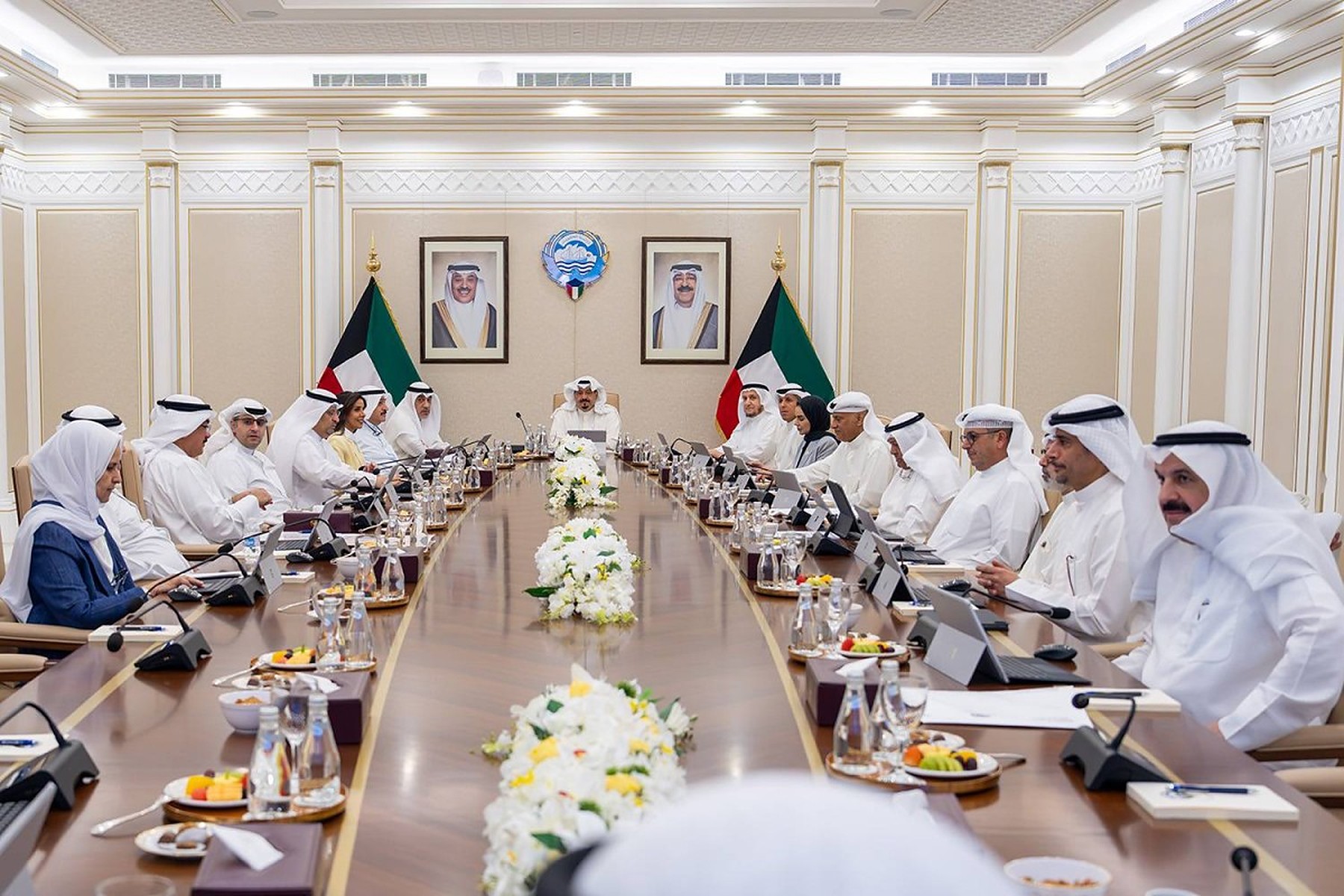
According to KUNA, carried by Al Rai on 19 October 2026, Decree-Law No. 121 of 2026 has been issued, amending Article 830 of the Civil Code issued by Law Decree No. 67 of 1980; the report gives 18 October 2026 as the decree's publication date. Al Seyassah published the text of the two new clauses and the explanatory memorandum on the same day. The Council of Ministers had approved the draft at its meeting on 6 October 2026, as we reported on 10 October.
Clause 3: staying in joint ownership
If the jointly owned property is a residential property, the court may, at the request of one of the co-owners, order that it stay in joint ownership for a period the court sets. The co-owner must prove two things: that the property is their only home, and that their means are not enough to buy a suitable home. Any co-owner may ask the court to end this once either condition no longer applies.
Clause 4: buying out the partner who wants to sell
While a partition case is being heard, every co-owner of the residential property may ask to take over the share of the co-owner who asked for partition, at the value set by an expert the court appoints for this purpose. If more than one co-owner asks, they may agree on each one's portion; if they do not agree, the share is divided equally between them. The court gives them a deadline to deposit the amount with the court treasury. A co-owner who does not deposit in time, without an excuse the court accepts, loses the request, and the share goes to the others with a new deadline. Once the full value is deposited, the court awards the share to those who paid, each in proportion to what they paid, and the partition case ends.
Cases already in court
According to the text published by Al Seyassah, the decree-law applies to partition cases that have not been decided by a final judgment by the date it takes effect, unless a judgment awarding the property at auction was issued before that date. Neither report we opened states that date, so we do not give one. The explanatory memorandum says the home may be one co-owner's only shelter, and that staying in joint ownership is not an absolute right but comes with limits, so the exception cannot be used to hold up a partition indefinitely.
What Al Mithaq adds
Our Kuwait team deals every week with families who own a house or a plot together. If you are an heir thinking of selling your share, or of buying out your partners, ask us for a market price on the property before any court expert is appointed, so you know the number you are talking about. If the family decides to sell and move, our Sea City land page lets you tell us the phase and budget you have in mind in Sabah Al Ahmad Sea City, and our team comes back with the plots available now, with their prices.
Sources
- Al Rai (KUNA), 19 October 2026: Decree-Law amending Article 830 of the Civil Code issued, to protect housing stability
- Al Seyassah, 19 October 2026: Decree amending Article 830 of the Civil Code issued (text of the new clauses and explanatory memorandum)
- Kuwait Times (KUNA), 6 October 2026: Cabinet approves amendments to notarization law, civil code
Homes we sell there
All our homes in Kuwait ›Related stories
All news ›
Kuwait Cabinet approves draft change to Civil Code Article 830 so a co-owner's only home need not go straight to public auction
Kuwait court auctions sold 18 properties for KD 9.63 million in September, 11% above their valuations