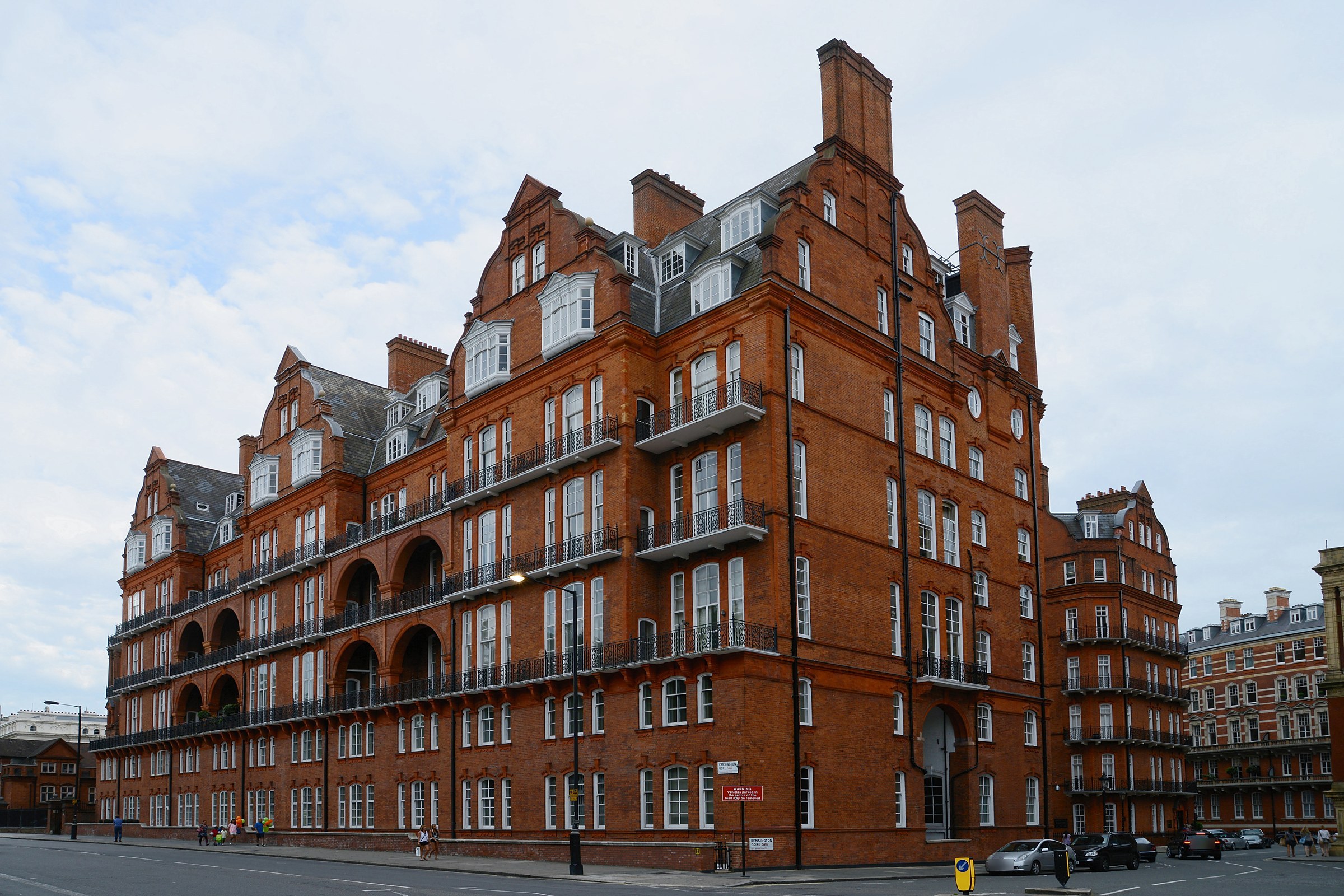
Buying a London home through a company: 17% stamp duty on homes over £500,000, a yearly tax from £4,600 in 2026-27 and Companies House registration for overseas companies
Some buyers from the Gulf ask whether to buy a London home in their own name or through a company. GOV.UK sets out three rules that apply when a company buys a home in England: a 17% Stamp Duty Land Tax rate on homes costing more than £500,000, the Annual Tax on Enveloped Dwellings, which starts at £4,600 for 2026-27, and, for a company set up outside the UK, registration on the Register of Overseas Entities. This guide explains each one from the official pages.
Stamp duty: the 17% rate for companies
HM Revenue and Customs says Stamp Duty Land Tax is charged at 17% on residential properties costing more than £500,000 bought by certain corporate bodies, which it calls non-natural persons. These include companies, partnerships where one or more of the partners is a company, and collective investment schemes. The 17% rate does not apply to a home bought by a company acting as a trustee of a settlement. Relief from the 17% rate may be available if the property is used in a property rental business, bought by a property developer or trader, used in a trade that makes it available to the public, bought by a financial institution in the course of lending, occupied by employees of the buyer, is a farmhouse, or is bought by a qualifying housing co-operative, and the conditions for each relief must be met. GOV.UK adds that there is a 5% surcharge on residential properties bought by companies, and that the 2% surcharge for non-UK residents buying in England and Northern Ireland on or after 1 April 2021, applies on top of all other residential rates, including the 5% surcharge.
ATED: the yearly charge for 2026-27
The Annual Tax on Enveloped Dwellings is payable mainly by companies that own UK residential property valued at more than £500,000, and also applies to partnerships with a company partner and to collective investment schemes. The charge depends on the value band. For 1 April 2026 to 31 March 2027 it is £4,600 for a home valued at more than £500,000 up to £1 million; £9,450 for more than £1 million up to £2 million; £32,200 for more than £2 million up to £5 million; £75,450 for more than £5 million up to £10 million; £151,450 for more than £10 million up to £20 million; and £303,450 for more than £20 million. For the chargeable periods 2023-24 to 2027-28, homes are valued on the revaluation date of 1 April 2022, or on the date of purchase for a home bought after that. Returns are submitted on or after 1 April in each chargeable period, and HMRC may charge penalties and interest for late or inaccurate returns.
ATED reliefs
GOV.UK lists reliefs that can reduce ATED or bring it to nothing. They include a home let to a third party on a commercial basis that is not, at any time, occupied or available for occupation by anyone connected with the owner; a home open to the public for at least 28 days a year; a home being developed for resale by a property developer; and a home held by a property trader as stock for resale. A company claims relief through the ATED online service, and if the relief brings the charge to nil it must still submit a Relief Declaration Return.
Companies set up outside the UK: the Register of Overseas Entities
Companies House says the Register of Overseas Entities came into force on 1 August 2022 under the Economic Crime (Transparency and Enforcement) Act 2022. An overseas entity, such as a company governed by the law of a country outside the UK, that wants to buy, sell or transfer property or land in the UK must register and name its registrable beneficial owners or managing officers. A beneficial owner includes anyone who holds, directly or indirectly, more than 25% of the shares or voting rights, or who can appoint or remove a majority of the board. The registration fee is £250, and the entity receives an Overseas Entity ID to give to the land registry. It must file an update statement one year after registering and every year after that. Companies House warns that not complying can bring a fine, a prison sentence or both, and restrictions on buying, selling, transferring, leasing or charging UK property or land.
What Al Mithaq adds
Our London page shows homes in London and nearby that buyers from Kuwait can view with our team. For any home you like, we can set out the price, the yearly running costs and the questions to take to your UK solicitor and tax adviser about owning in your own name or through a company, before you reserve.
Sources
- GOV.UK, HM Revenue and Customs: Stamp Duty Land Tax, corporate bodies (last updated 2 May 2025), opened 6 November 2026
- GOV.UK, HM Revenue and Customs: Annual Tax on Enveloped Dwellings (chargeable amounts for 1 April 2026 to 31 March 2027 added 2 December 2025; last updated 4 March 2026), opened 6 November 2026
- GOV.UK, HM Revenue and Customs: Annual Tax on Enveloped Dwellings, reliefs and exemptions, opened 6 November 2026
- GOV.UK, Companies House: Register an overseas entity and its beneficial owners (last updated 1 February 2026), opened 6 November 2026
- Al Mithaq, London property page
Homes we sell there
All our homes in the United Kingdom ›Related stories
All news ›
Stamp duty for a Kuwaiti buyer in London: the 2026 rates with a worked example

London council tax 2026-27: Wandsworth has the lowest Band D bill in England at £1,028 a year, Westminster £1,050, against an England average of £2,392