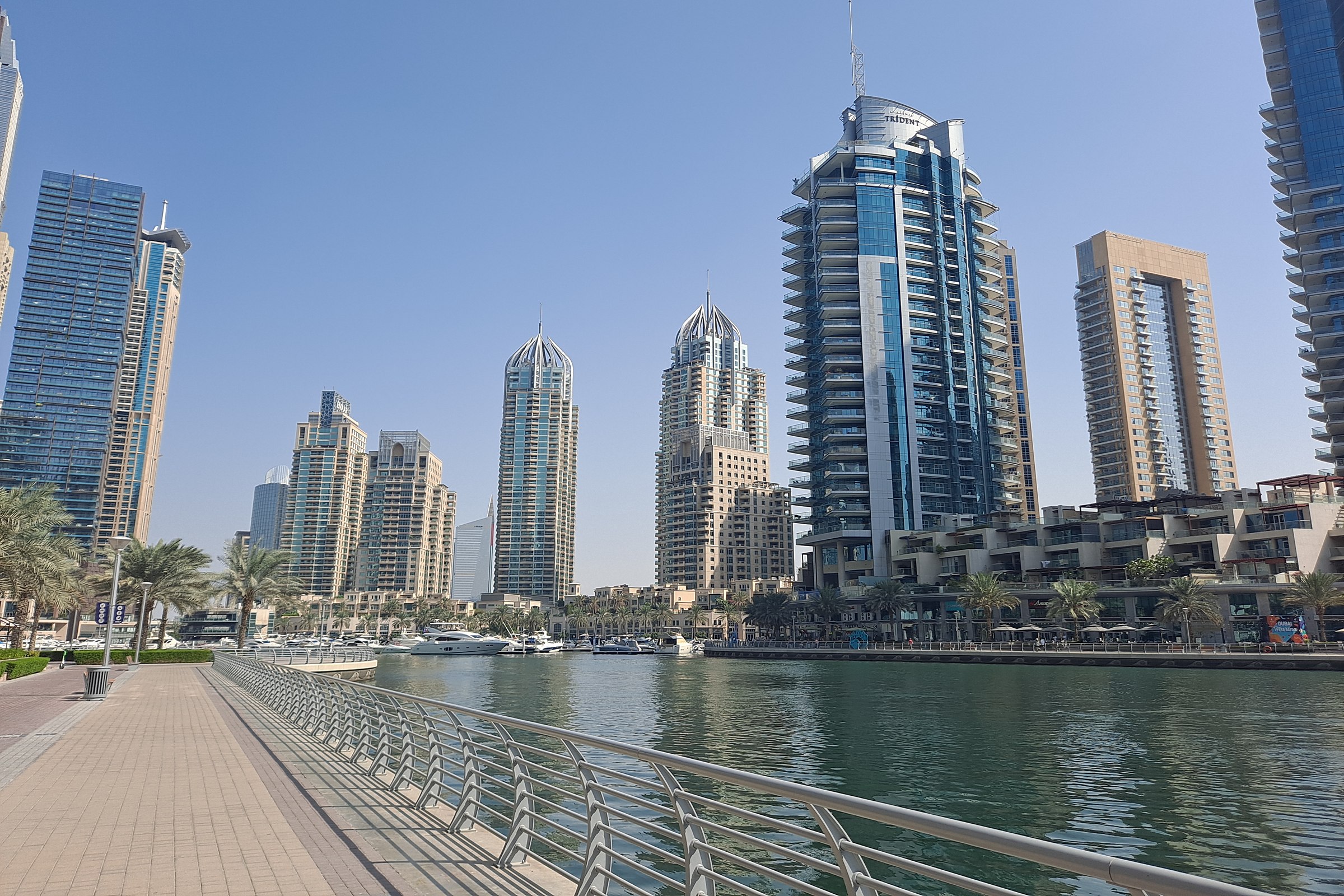
Dubai approves an Urban Centres Development Plan with a budget above AED 2 billion for 48 centres, projected to add AED 20 billion to their property value by 2040
The Executive Council of Dubai, chaired by Sheikh Hamdan bin Mohammed bin Rashid Al Maktoum, approved the Urban Centres Development Plan on 27 October 2026. The plan covers six main urban centres and 42 supporting sub-centres, together 12% of Dubai's urban area, with a budget exceeding AED 2 billion. The Dubai Media Office says it will contribute to an increase of AED 20 billion in the real estate value of the targeted centres by 2040, and that it aims to raise the share of residents living around metro stations from 52% to 74%. The council also approved a Sustainable Population Planning Policy and a Digital Authorisation System.
What the council approved
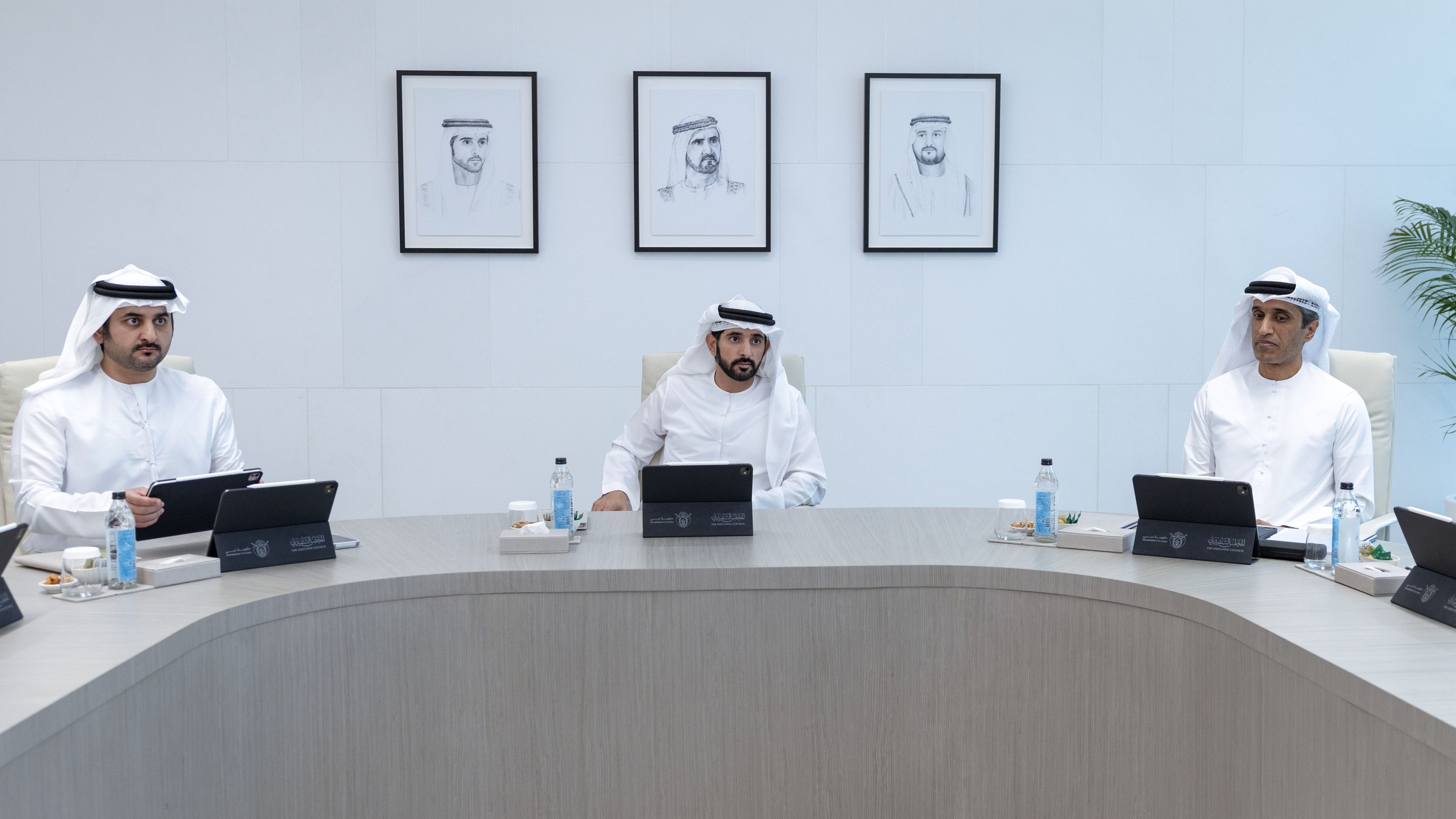
The Executive Council of Dubai met at Emirates Towers on Tuesday 27 October 2026, chaired by Sheikh Hamdan bin Mohammed bin Rashid Al Maktoum, Crown Prince of Dubai and Chairman of the Executive Council, with Sheikh Maktoum bin Mohammed and Sheikh Ahmed bin Mohammed attending. According to the Dubai Media Office, the council approved the Urban Centres Development Plan, which is being overseen by the Supreme Committee for Urban Planning and Dubai Municipality with the relevant entities. The plan covers six main urban centres and 42 supporting sub-centres across the emirate, which together account for 12% of Dubai's urban area. Its budget exceeds AED 2 billion, and the Media Office says it will contribute to an increase in the real estate value of the targeted centres by AED 20 billion by 2040. Sheikh Hamdan said the plan would make the centres "more vibrant places to live, work and invest".
Metro stations, services and three pillars
The plan rests on three pillars: quality of life, economic returns, and infrastructure efficiency and cost. It works by concentrating population and jobs around mass transit stations, diversifying land use and bringing homes closer to workplaces. Its targets are to raise the share of residents living around metro stations from 52% to 74%, and to raise public services coverage from 74% to 85%. The announcement does not list which areas are the six main centres or the 42 sub-centres, and it gives no timetable for individual centres.
Population policy and digital authorisations
At the same meeting the council approved the Sustainable Population Planning Policy, which links population growth forecasts with Dubai's economic and urban plans and is meant to guide where services and infrastructure are built. It also approved a Digital Authorisation System for individuals and companies, run by Digital Dubai, which lets a customer authorise another person to complete transactions on their behalf, with UAE PASS used to verify identity, within the scope of low-risk services that do not require a notary public or legal attestation. Services that do require a notary public or legal attestation stay outside the new system.
What Al Mithaq adds
Our page of ready-to-move Emaar homes in Dubai lists each home with its price, and our guides explain the costs of owning in Dubai: registration fees, service charges and the rules on rent increases. When Dubai publishes the list of urban centres, we will report it. Tell our team in Kuwait your budget and whether you want a home to live in or to rent out, and we will send you options with their prices and distance to the nearest metro station by call or WhatsApp on the same working day.
Sources
- Dubai Media Office, 27 October 2026: Hamdan bin Mohammed chairs a meeting of The Executive Council of Dubai, opened 28 October 2026
- Emarat Al Youm, 27 October 2026: Hamdan bin Mohammed approves the Urban Centres Development Plan with investments above AED 2 billion (Arabic text of the Executive Council announcement), opened 28 October 2026
- The National, 27 October 2026: Dubai's new urban development policy seeks to increase property value by Dh20bn, opened 28 October 2026
- Al Mithaq: ready-to-move Emaar homes in Dubai, with prices
Homes we sell there
All our homes in the UAE ›Related stories
All news ›
Dubai Land Department data: 2,467 property sales worth AED 6.97 billion in the week of 19 to 23 October 2026, down 8% by number on the week before
Dubai service charges explained: under Law No. 6 of 2019 no building manager may charge owners without RERA approval of the budget, each owner pays by unit area, and unpaid charges can end in a court auction